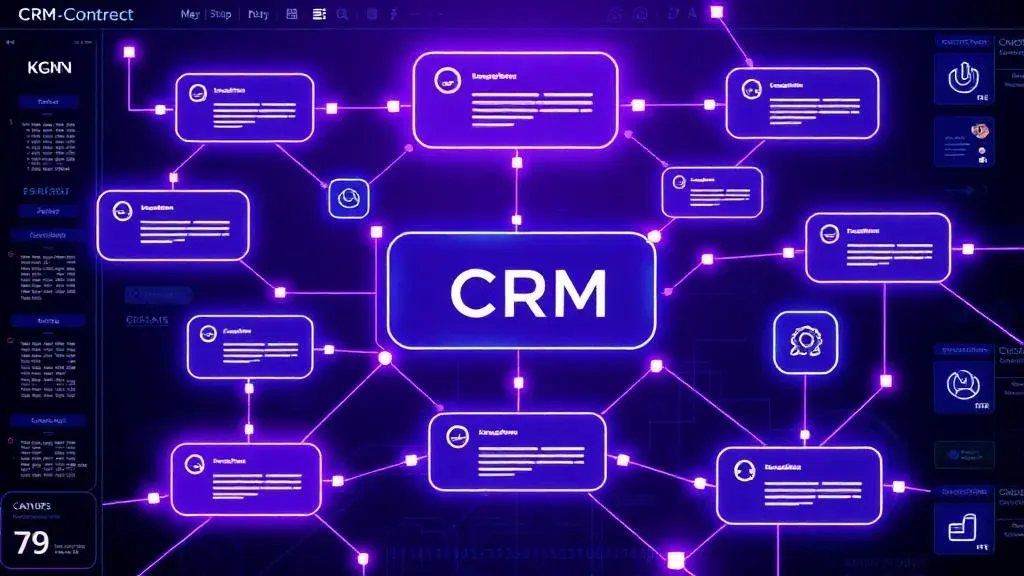
Next-Gen CRM: Why monday CRM Belongs – and Why the Future Interface Is a Chat


TL;DR: „The CRM of the future isn't a dashboard – it's a chat. A modern GTM stack has three layers (Prospecting → Outreach → CRM) – with Claude via MCP as the intelligent chat layer on top."
— Till Freitag📌 Update May 2026: The vision described here is now mainstream. monday MCP is GA, Claude and ChatGPT have native MCP support, OpenAI shipped the Apps SDK, and monday CRM is rolling out AI Agents for sales and lead qualification in production. Chat-as-interface is no longer a forecast – it's the current state of the art. See monday MCP Tools & Integrations and monday CRM AI Agents.
CRM Is Broken – and Everyone Knows It
Let's be honest: most CRM systems are hated. Sales teams spend more time on data entry than selling. Dashboards get built but never looked at. Pipelines get maintained but nobody trusts the numbers.
The problem isn't the CRM itself – it's the interface. For 20 years we've been clicking through forms, tables and dropdown menus. That needs to change.
What Makes a Next-Gen CRM
The next generation of CRM is fundamentally different from Salesforce, HubSpot & Co.:
| Criterion | Legacy CRM | Next-Gen CRM |
|---|---|---|
| Interface | Forms & tables | Conversation & AI |
| Data entry | Manual | Automatic & context-aware |
| Insights | Reports on demand | Proactive recommendations |
| Integrations | Point-to-point APIs | Protocol-based (MCP) |
| Flexibility | Rigid modules | Composable & configurable |
| Adoption | Training required | Intuitive like a chat |
Why monday CRM Belongs to the Next Generation
1. Flexibility as a Core Principle
monday CRM is built on the Work OS platform – meaning every field, every view, every workflow is customizable. No rigid schema, no prescribed processes. Your CRM adapts to your sales process, not the other way around.
2. AI Is Built In, Not Bolted On
With monday AI (powered by monday Sidekick and Workflows), emails get summarized, follow-ups get suggested, and deals get prioritized – right in the board. No separate AI tool, no copy-paste workflows.
3. Seamless Connection to Work Management & Dev
The biggest advantage: monday CRM doesn't exist in a vacuum. Sales teams see what's happening in projects. Support tickets flow back into the CRM. Developer feedback reaches sales. One ecosystem instead of silos.
4. No-Code Automation
"When a deal moves to 'Won', automatically create a project board and notify the delivery team." – In monday CRM, workflows like this are built in 2 minutes.
The Future Interface: Chat + MCP
This is where it gets exciting. The real revolution in CRM isn't better dashboards – it's a completely new interface paradigm.
What Is MCP?
The Model Context Protocol (MCP) is an open standard that connects AI models with external data sources and tools. Instead of a CRM being a monolithic app, it becomes a service that an AI chat can query and control in real time.
What Does This Look Like in Practice?
Imagine opening your chat in the morning and typing:
"Show me all deals closing this week where there's been no contact for 5 days."
The AI agent connects via MCP to your monday CRM, pulls the data, analyzes activities and responds:
"3 deals are closing this week. Acme Corp and TechFlow haven't been contacted in 6 days. Shall I prepare follow-up emails?"
No dashboard to open. No filter to set. No export.
Why MCP Is the Game-Changer
- Universal connectivity: MCP connects not just your CRM, but also email, calendar, Slack, documents – all in one chat
- Context awareness: The agent knows your entire workflow, not just a database
- Bidirectional: Not just reading, but writing – updating deals, creating tasks, sending emails
- Vendor-agnostic: MCP is an open standard – no lock-in
monday CRM + MCP = The Future
monday.com is predestined for the MCP world:
- Open API architecture: monday's GraphQL API is already extremely powerful
- Structured data: Boards, items and columns form a natural data structure for AI agents
- Automation engine: Existing automations can be exposed as MCP tools
- AI-first roadmap: With Sidekick, Workflows and Agents, monday is investing heavily in AI-native capabilities
The Concrete GTM Tech Stack: 3 Layers + Chat
Theory is nice – but what does a modern go-to-market stack actually look like? We work with a 3-layer model that maps the entire revenue engine:
Layer 1: Prospecting & Intelligence
This is where you identify and qualify target customers – before the first contact.
| Tool | Function | Why |
|---|---|---|
| Apollo.io | Lead database, intent signals, enrichment | 275M+ contacts, GDPR filters, buying intent data |
| Clay | Data enrichment & scoring | Waterfall enrichment from 75+ sources, AI scoring |
| LinkedIn Sales Navigator | Social selling & signals | Identify decision-makers, find warm intros |
What happens here: You build your ICP (Ideal Customer Profile) data-driven, enrich leads automatically and prioritize by intent – not gut feeling.
Layer 2: Outreach & Engagement
This is where contact starts – automated, personalized and multi-channel.
| Tool | Function | Why |
|---|---|---|
| Instantly / Smartlead | Cold email sequencing | Multi-inbox rotation, deliverability optimization |
| Expandi / Dripify | LinkedIn automation | Connection requests, follow-up sequences |
| Aircall / Twilio | Sales calls & SMS | Click-to-call from CRM, call recording, AI transcription |
What happens here: Multi-channel sequences (email → LinkedIn → call) run automated. Replies are detected and trigger the next step.
Layer 3: CRM & Pipeline
This is where deals close – with full context and zero manual data overhead.
| Tool | Function | Why |
|---|---|---|
| monday CRM | Pipeline, deal management, forecasting | Flexible, AI-native, seamlessly integrated into Work OS |
| PandaDoc / DocuSign | Proposals & e-signatures | Create and track proposals directly from deals |
| Stripe / Billomat | Billing & revenue | Won deals → automatic invoicing |
What happens here: Qualified leads from Layer 2 are managed as deals. Automations create proposals, track activities and trigger onboarding on close.
The Connecting Layer: Claude via MCP
Now here's the real leverage. On top of all three layers sits a chat interface that accesses the entire stack via MCP:
┌─────────────────────────────────────────────┐
│           Claude (Chat Interface)            │
│        via Model Context Protocol            │
├─────────────────────────────────────────────┤
│                    MCP                       │
├──────────┬──────────────┬───────────────────┤
│ Layer 1  │   Layer 2    │     Layer 3       │
│ Apollo   │   Instantly  │   monday CRM      │
│ Clay     │   Expandi    │   PandaDoc        │
│ LinkedIn │   Aircall    │   Stripe          │
└──────────┴──────────────┴───────────────────┘
Why Claude? Anthropic's Claude currently has the best MCP support – no coincidence, since Anthropic initiated MCP as an open standard. Claude can:
- Drive prospecting: "Find 50 companies in the DACH region with 50–200 employees that are currently evaluating a CRM." → Apollo search + Clay enrichment + score
- Orchestrate outreach: "Create a 3-step sequence for the top 20 leads and start it tomorrow at 9 AM." → Instantly sequence gets set up
- Manage pipeline: "Which deals are closing this month? Where's a follow-up missing?" → monday CRM gets queried, actions suggested
- Act cross-layer: "The TechFlow deal is won. Create the invoice and start the onboarding board." → Stripe + monday in one conversation
Why Not ChatGPT, Gemini or Copilot?
| Criterion | Claude | ChatGPT | Gemini | Copilot |
|---|---|---|---|---|
| MCP support | Native (MCP inventor) | Via plugins/GPTs | Limited | Microsoft ecosystem |
| Tool calling | Excellent | Good | Good | Good (Office-focused) |
| Data privacy | EU hosting available | US-only (default) | US-only | EU via Azure |
| Context window | 200k tokens | 128k tokens | 1M+ tokens | 128k tokens |
| Vendor lock-in | None (MCP = open) | OpenAI ecosystem | Google ecosystem | Microsoft ecosystem |
Claude with MCP is the vendor-agnostic approach: your chat layer isn't tied to a CRM vendor. If you switch from monday to another CRM tomorrow, your interface stays the same – you just swap the MCP server.
What This Means for You
Short-term (now)
- Choose a flexible CRM: monday CRM gives you the adaptability that rigid systems don't
- Use monday AI: Sidekick and AI Workflows are available today and save real time
- Automate your processes: Every manual action you automate today is a data point for AI tomorrow
Mid-term (12–24 months)
- MCP integrations become standard: The first CRM systems will offer MCP servers
- Chat becomes the primary interface: Instead of opening apps, you ask your AI agent
- Data quality becomes critical: AI is only as good as the data – clean CRM hygiene pays off
Long-term (2–5 years)
- The CRM disappears as an app: It becomes the invisible backend of an AI agent
- Proactive sales management: The agent tells you what to do – before you ask
- Composable CRM: You build your CRM from building blocks, connected via MCP
Real-World Example: monday CRM + Claude + Stripe
Theory is one thing – here's a concrete workflow we set up for clients:
Scenario: Your sales team uses monday CRM for pipeline management and Stripe for billing. A deal has just been won.
Without MCP – the classic way:
- Set deal status to "Won" in monday CRM → manually copy customer data and terms
- Open Stripe → create new customer → set up subscription or invoice → enter data manually
- Manually create onboarding board in monday → add tasks → notify team
- Manually draft and send welcome email
With Claude + MCP – one sentence is enough:
"The Acme Corp deal is won. Create the customer in Stripe with the Enterprise subscription, start the onboarding board, and send the welcome email."
Claude connects via MCP to monday CRM (deal data, contact person, package), creates the customer and subscription through the Stripe MCP server, automatically generates an onboarding board in monday with the right tasks, and sends the welcome email.
Result: 20 minutes of manual work → 30 seconds. No retyping, no forgotten steps. Your team can focus on customer success immediately – instead of admin work.
💡 This is exactly the kind of workflow we set up for our clients. Whether monday CRM, Stripe, Slack, or your custom stack – we'll show you how MCP and Claude can transform your sales processes.
Conclusion: CRM Is Going Conversational – and monday Is Ready
The next generation CRM isn't a better dashboard. It's an intelligent agent that accesses all your data via MCP and communicates with you through a chat interface.
monday CRM already brings the flexibility, AI integration and ecosystem needed to thrive in this new world. Those who invest in an adaptable, AI-capable CRM now are ready for the future interface.
The question isn't if, but when your CRM becomes a chat.
Related Articles
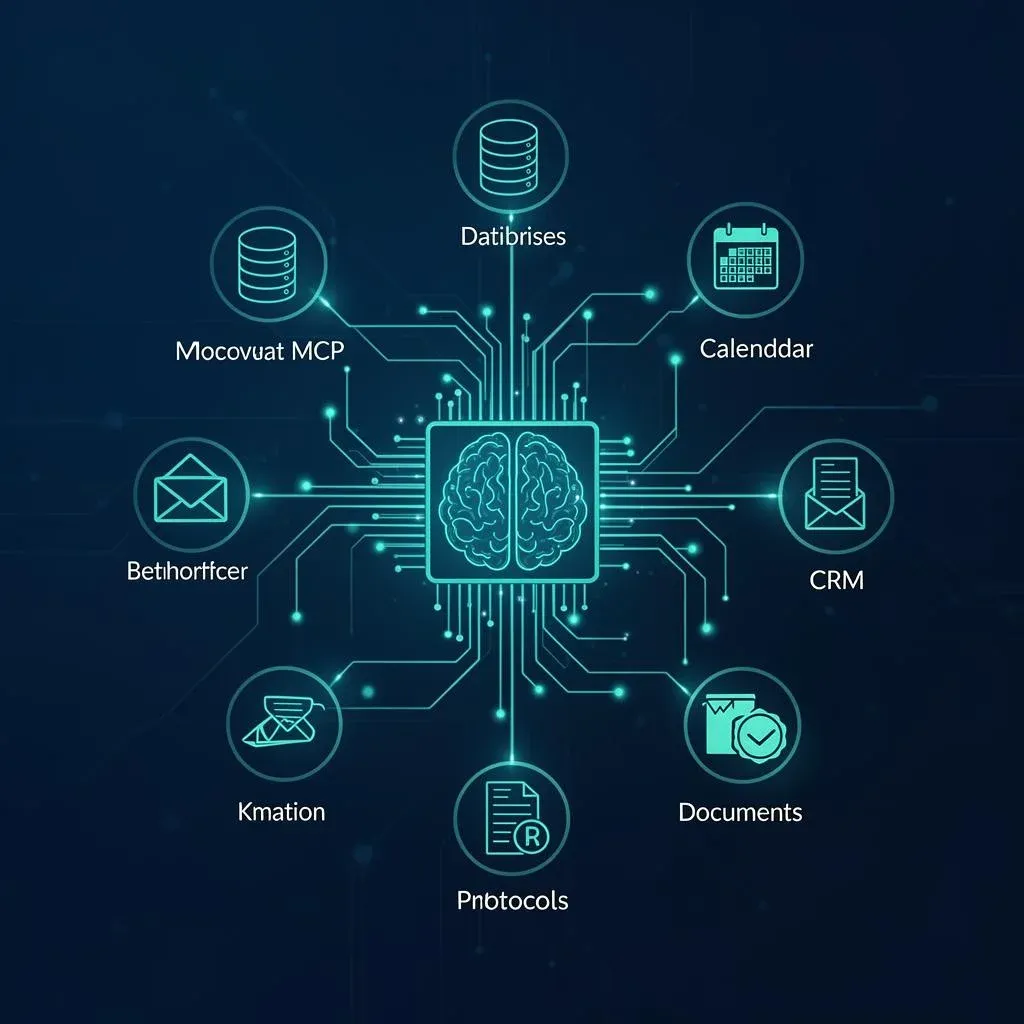
MCP for Beginners: Everything You Need to Know About the Model Context Protocol
MCP is the open standard connecting AI models to your tools. What it is, how it works, and why there's no way around it …
Read more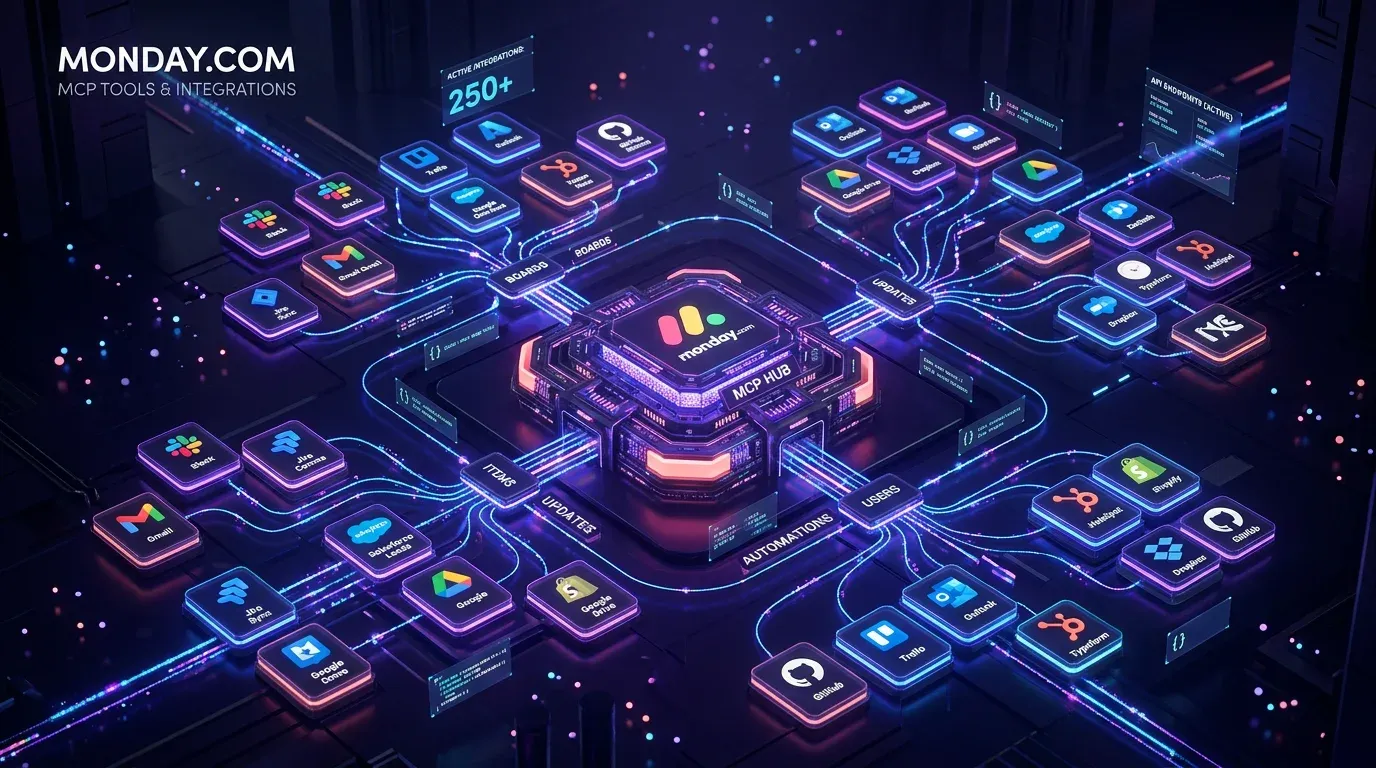
monday.com MCP: All Available Tools and Integrations Overview
monday.com offers two powerful MCP servers – Platform MCP and Apps MCP – plus native integrations for Claude, Cursor, Ch…
Read more
The 10 Best monday MCP Prompts for Your Daily Work
Copy-paste-ready prompts for Claude, Cursor, and ChatGPT – to control monday.com via natural language. From board creati…
Read more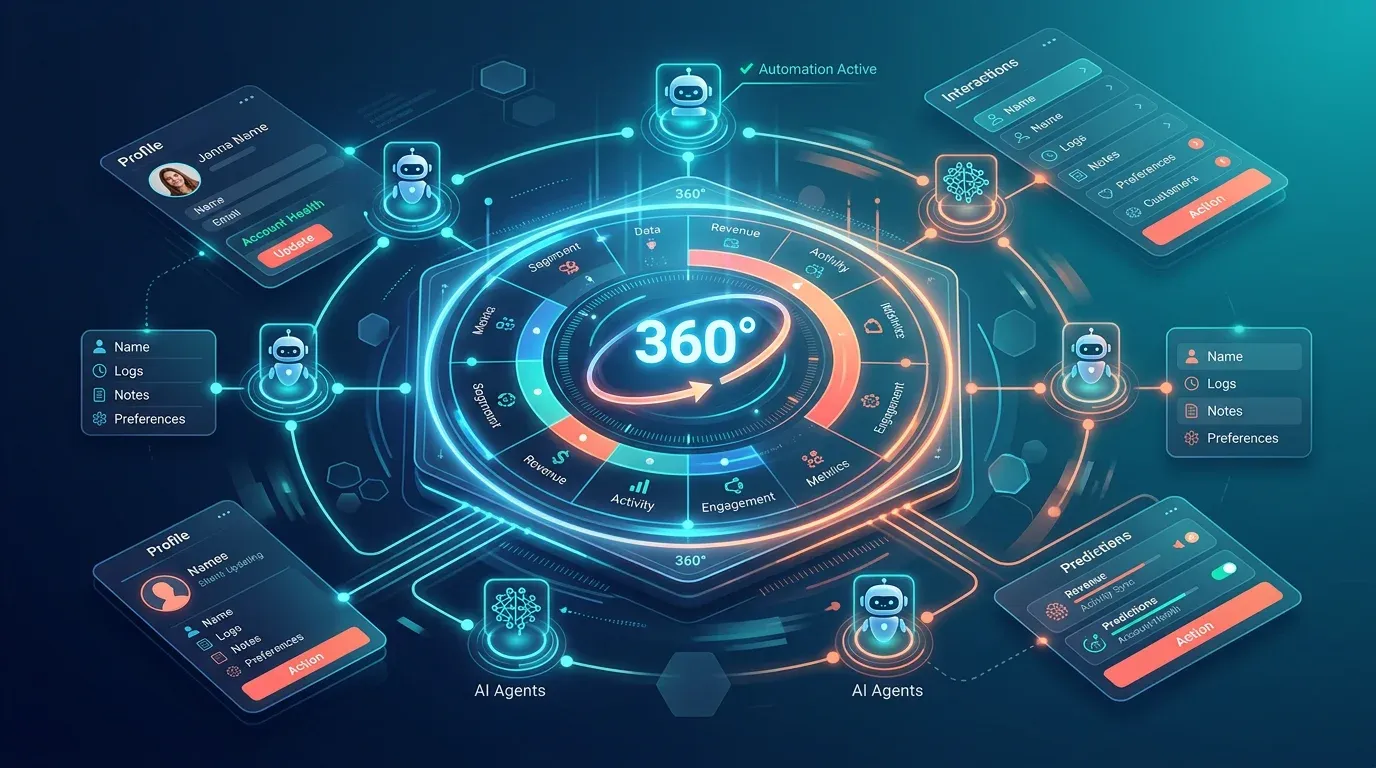
Account360 & Zero Update CRM: The Future of monday CRM (2026)
Account360 delivers the full customer view, Zero Update CRM eliminates manual data entry. How monday CRM is revolutioniz…
Read more
Automated CRM Enrichment: How AI Frees Your Sales Team from Data Maintenance
Manual CRM data maintenance is dead. Here's how to build a nightly enrichment workflow with Clay, Claude and monday CRM …
Read more Deep Dive
Lovable Feature Roundup: What actually mattered in May and June 2026
Subagents, native Claude MCP, the Preview Toolbar, Publish-from-chat, slow-query analysis in Lovable Cloud: in six weeks…
Read more
monday Dev: Why It's the Most Underrated Dev Tool of 2026
Agile out of the box, MCP-ready, and the cheapest enterprise pricing on the market: why monday Dev is becoming a serious…
Read more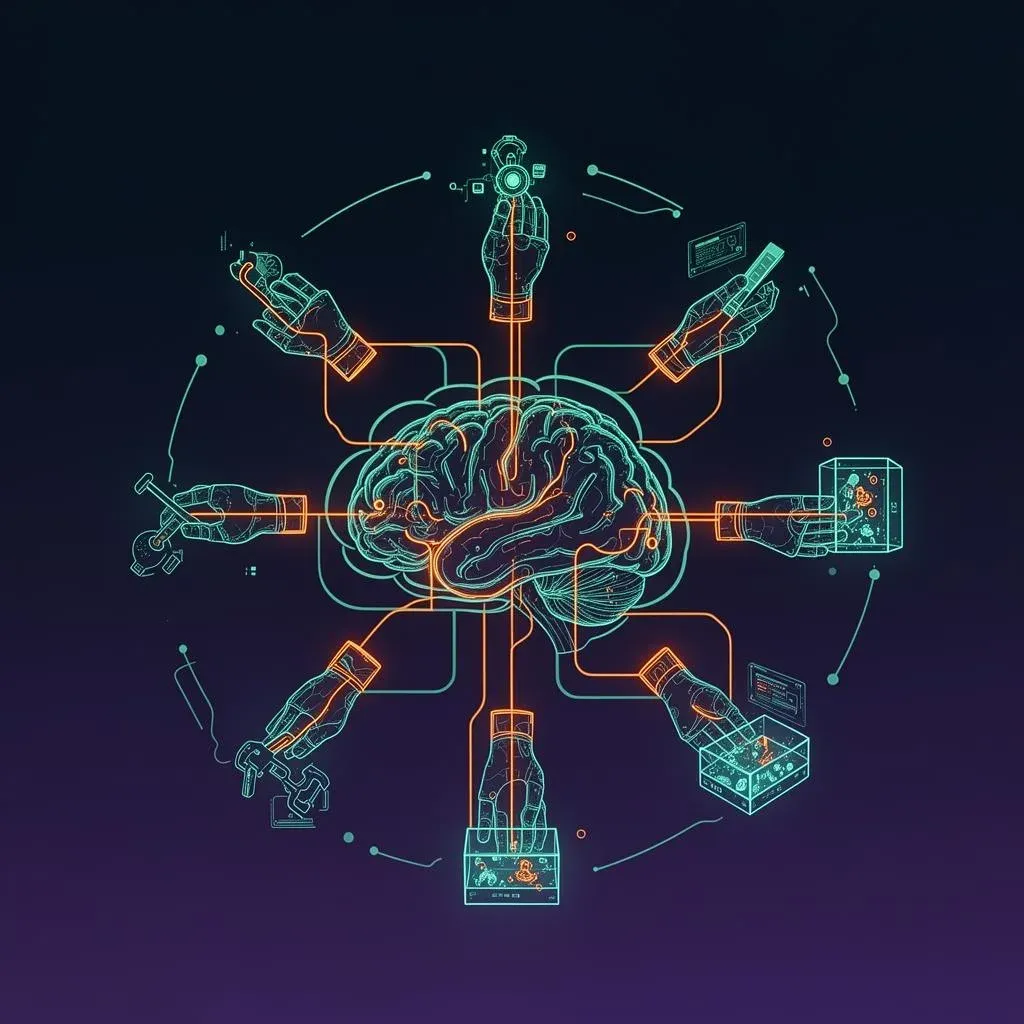
Claude Managed Agents: Anthropic's Play to Own the Agent Runtime
Anthropic launches Managed Agents in public beta – a hosted runtime that decouples the 'brain' from the 'hands.' No more…
Read more
monday CRM AI Agents – How to Automate Your Entire Sales Process in 2026
AI Agents in monday CRM handle pipeline maintenance, follow-ups, and lead scoring automatically. Here's what the sales p…
Read more