
monday Dev: Warum es das am meisten unterschätzte Dev-Tool 2026 ist

TL;DR: „monday Dev ist 2026 der heimliche Champion: agile Workflows nativ, MCP-ready für Cursor/Claude, und beim Enterprise-Pricing günstiger als Jira oder Linear bei vergleichbarem Funktionsumfang."
— Till FreitagDie unbequeme Wahrheit über Dev-Tools 2026
Wenn man Engineering-Leads nach ihrem Dev-Tool fragt, fallen drei Namen: Jira, Linear, GitHub Projects. monday Dev? Wird belächelt – meist von Leuten, die es nie getestet haben.
Genau das macht es so spannend. Denn 2026 ist monday Dev technisch und preislich an einem Punkt angekommen, an dem die Belächler langsam nervös werden sollten.
1. Gemacht für agile Entwicklung – nicht nachgerüstet
Der Vorwurf "monday ist doch nur ein hübsches Trello" stimmt 2020. Heute nicht mehr. monday Dev liefert nativ:
- Sprint Planning mit Velocity-Tracking und Capacity-Planning
- Story Points & Estimations als First-Class-Columns
- Bug Tracking mit Severity, Reproduction Steps und Customer-Linking aus monday Service
- Release Management mit Feature Flags und Release Notes direkt am Board
- Roadmap-Views über mehrere Teams hinweg, ohne Plugin-Hölle
Der Unterschied zu Jira: Du baust deinen Workflow, statt dich ihm zu unterwerfen. Der Unterschied zu Linear: Du bist nicht auf "schnelle Engineering-Teams" reduziert – Product, Design und Ops arbeiten im selben System.
2. MCP-ready: Der unterschätzte Game-Changer
Das hier wird übersehen, ist aber 2026 entscheidend: monday.com hat einen offiziellen MCP-Server ausgerollt. Dein Claude, Cursor oder ChatGPT-Agent kann direkt:
- Items lesen und erstellen
- Sprint-Status abfragen
- Bugs triagen und assignen
- Updates posten und Statusänderungen vornehmen
Was das praktisch bedeutet: Du sagst Cursor "Lege einen Bug an für das, was ich gerade fixe, verlink den Commit, und schieb ihn in den aktuellen Sprint" – und es passiert. Ohne Custom-Integration, ohne Zapier-Workaround.
Jira hat einen MCP-Server. Linear hat einen MCP-Server. Aber monday Dev ist das einzige Tool, bei dem dieselbe MCP-Verbindung gleichzeitig dein CRM, dein Service-Desk und dein Sprint-Board steuert. Das ist der echte Hebel.
Mehr zum Thema: Context Engineering & MCP – warum 2026 das Jahr der Agent-Workflows wird.
3. Das günstigste Enterprise-Pricing am Markt
Hier wird es schmerzhaft – für die Konkurrenz.
Pro-Tier (jährlich, pro Seat/Monat)
| Tool | Pro-Preis | Enterprise |
|---|---|---|
| monday Dev | ab 20 € | auf Anfrage (typ. unter Jira) |
| Jira Premium | ca. 15 $ | ab ~17,50 $ + Compliance-Aufpreise |
| Linear Business | 14 $ | individuell, oft >25 $ |
| Azure DevOps | komplex (User + Build-Minuten) | Enterprise Agreement |
Klingt zunächst nicht spektakulär. Aber im Enterprise-Segment kippt das Bild komplett:
- SSO (SAML) ist bei Jira/Linear oft Aufpreis – bei monday Enterprise inklusive
- SCIM-Provisioning kostet bei Atlassian extra (Atlassian Guard)
- Audit-Logs & HIPAA bei Linear gar nicht verfügbar
- Compliance-Pakete (SOC 2, ISO 27001) bei monday ohne Add-on
In realen Enterprise-Deals (200+ Seats) sehen wir regelmäßig 30–50 % Ersparnis gegenüber einer äquivalenten Atlassian-Konfiguration mit Guard, Compass und Confluence. Details: Was kostet monday Enterprise?
4. monday Agents: Bug-Triage, die wirklich funktioniert
Seit 2026 sind monday Agents GA. Im Dev-Kontext heißt das:
- Auto-Triage: Neue Bugs werden klassifiziert (Severity, Component, Team) und assignt
- Sprint-Vorschläge: Der Agent schlägt Sprint-Scope basierend auf Velocity und Team-Capacity vor
- Customer-Bug-Bridge: Tickets aus monday Service werden automatisch als Bugs gespiegelt – mit voller Customer-History
Das ist der Punkt, an dem "Workflow-Tool" zu "AI-native Engineering Platform" wird. Und es ist im Pro-Plan enthalten, nicht als 40 €/Seat-Add-on wie bei Atlassian Rovo.
5. Was monday Dev (noch) nicht kann
Ehrlich bleiben: Wenn dein Team in der Atlassian-Welt lebt (Bitbucket + Confluence + Compass + Jira), ist die Migration ein echtes Projekt. Und wenn du Open-Source-Projekte mit Community-Contributors fährst, ist GitHub Projects näher dran.
Aber für 90 % der internen Engineering-Teams – speziell die, die mit Product, Sales und Customer Success im selben Universum arbeiten wollen – ist monday Dev 2026 die rationalste Wahl.
Fazit: Das Lächeln verschwindet langsam
monday Dev ist nicht mehr "das nette Tool für Marketing-Teams, das jetzt auch Sprints kann". Es ist 2026 ein vollwertiger Jira-/Linear-Wettbewerber mit drei klaren Vorteilen: agile nativ, MCP-ready, und beim Enterprise-Pricing schlicht unschlagbar.
Die Belächler? Werden in 18 Monaten erklären müssen, warum sie 40 % mehr für weniger Funktionen zahlen.
Du willst monday Dev ernsthaft evaluieren? Sprich mit uns – wir machen den Side-by-Side gegen dein aktuelles Setup.
Weiterlesen:
Verwandte Artikel

monday Dev vs. Linear – wer gewinnt 2026 das Dev-Tool-Duell?
Linear ist der neue Liebling der Hacker-News-Bubble. monday Dev ist der pragmatische Allrounder. Wir vergleichen beide T…
Weiterlesen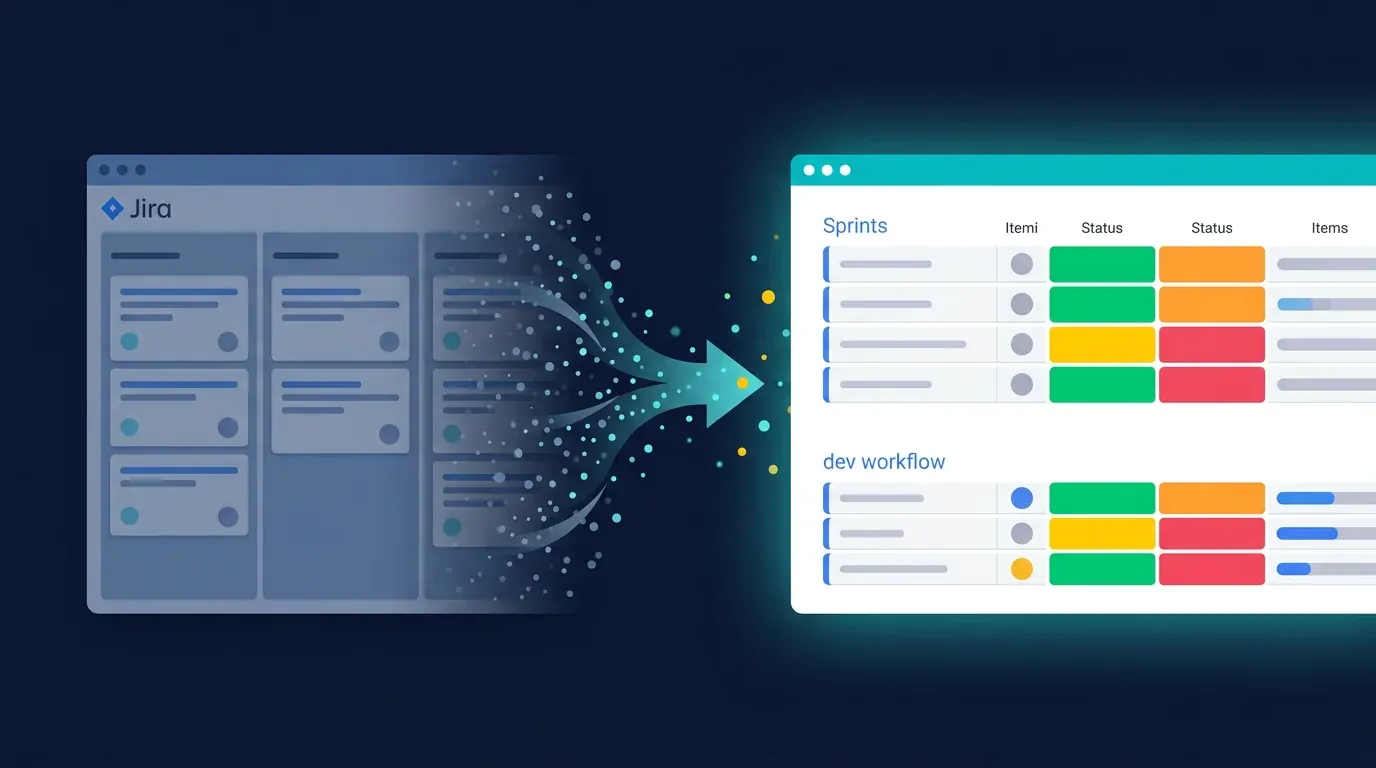
Von Jira zu monday Dev migrieren – der Schritt-für-Schritt-Leitfaden 2026
Die komplette Migrations-Anleitung von Jira zu monday Dev: Vorbereitung, Datenmapping, Cutover, Best Practices – inklusi…
Weiterlesen
Sprint Planning mit monday Dev – der Deep-Dive für 2026
Wie ihr Sprint Planning mit monday Dev wirklich produktiv gestaltet: konkrete Board-Setups, Rollenmodell für Scrum & Kan…
Weiterlesen Deep Dive
Die nächste Generation CRM: Warum monday CRM dazugehört – und das Interface der Zukunft ein Chat ist
Das CRM der Zukunft ist kein Dashboard – es ist ein Chat. Warum monday CRM zur nächsten Generation gehört und wie MCP da…
WeiterlesenDie besten monday.com Integrationen für DevOps & Entwicklung (2026)
GitHub, GitLab oder Jira mit monday.com verbinden – so bringst du Entwicklung und Projektmanagement zusammen.…
Weiterlesen
monday.com öffnet die Türen für KI-Agenten: Was hinter agents-signup steckt
monday.com hat einen eigenen Signup-Flow für KI-Agenten gebaut – mit HATCHA, MCP und Instant API Key. Warum das mehr ist…
Weiterlesen
Die 10 besten monday MCP Prompts für den Arbeitsalltag
Copy-Paste-fertige Prompts für Claude, Cursor und ChatGPT – mit denen du monday.com per natürlicher Sprache steuerst. Vo…
Weiterlesen
monday.com MCP: Alle verfügbaren Tools und Integrationen im Überblick
monday.com bietet mit dem Platform MCP und dem Apps MCP zwei leistungsstarke MCP-Server – plus native Integrationen für …
Weiterlesen
monday.com Sidekick 3.0 ist da: Smartere KI für die gesamte Plattform
monday.com rollt Sidekick 3.0 für alle Kunden aus – mit massiv erweiterter Aktionsabdeckung, Cross-Plattform-Ausführung …
Weiterlesen