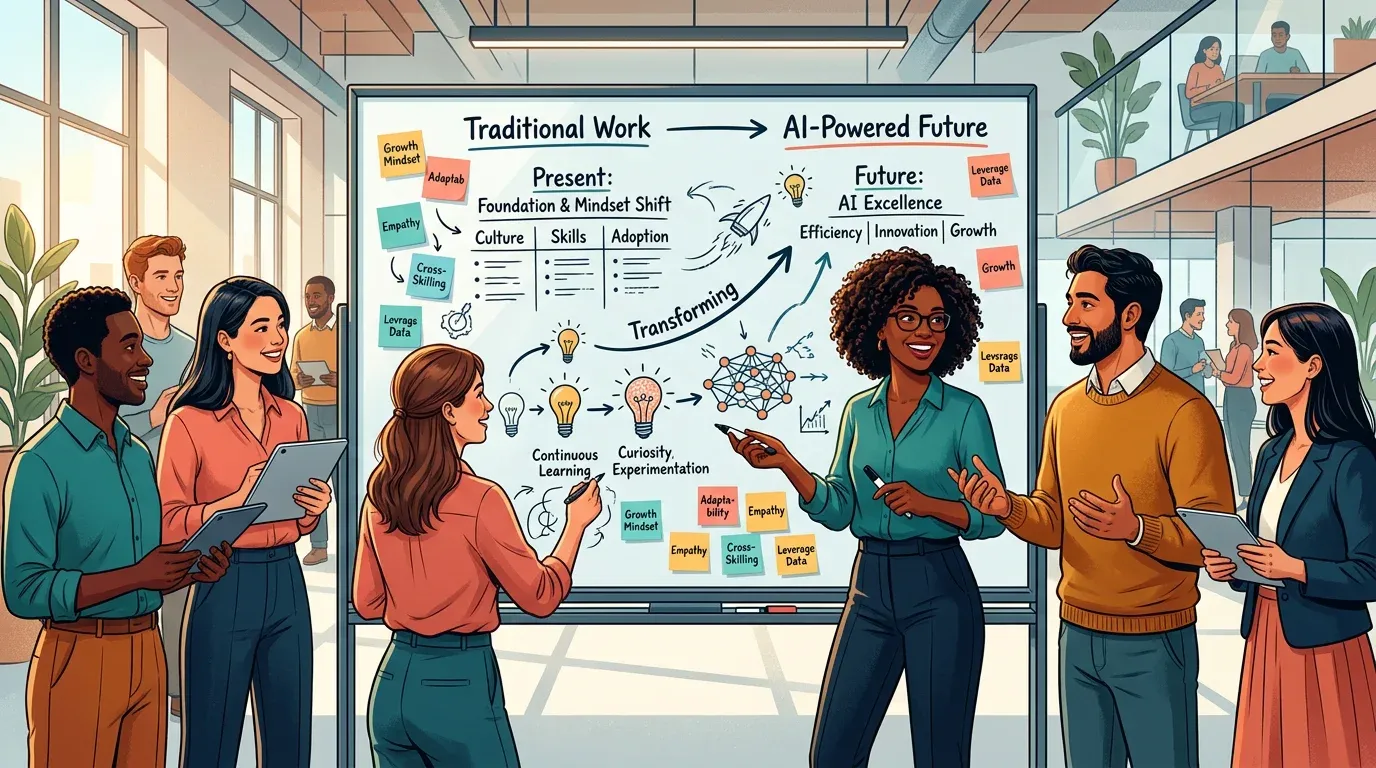
Why We Bet on Emotional Intelligence, Ownership and Independence

TL;DR: „The best tool can't replace great team culture. We bet on emotional intelligence, ownership and independence – because we believe outstanding results come from outstanding people."
— Till FreitagA post by Anna Rauch and Malte Lensch – Managing Directors at Till Freitag.
Why culture is not a soft-skill topic
When we advise companies, we talk about tools, processes and automation. But internally we know: the foundation is none of those things. The foundation is the way we work together.
We're a small team. Every person counts. Every interaction carries weight. That's why we decided from day one not to leave team culture to chance – but to shape it deliberately.
The four pillars of our team culture
1. Emotional intelligence – listen before you respond
Emotional intelligence is not a buzzword for us. It's a daily practice:
- Self-awareness: Knowing when you're stressed – and communicating that instead of letting it spill over
- Empathy: Understanding why a client is frustrated, not just what they're saying
- Conflict competence: Addressing disagreements before they turn into problems
- Feedback culture: Honest and respectful – both at the same time, not either-or
Anna: "In consulting I'm often the first person a client talks to. Trust is made or broken in those first few minutes. And trust doesn't come from expertise alone – it comes from truly listening."
2. Teamwork – real collaboration, not working side by side
For us, teamwork doesn't mean everyone being nice to each other. It means:
- Sharing responsibility: When a project goes sideways, it's never 'one person's problem'
- Leveraging strengths: Everyone brings something different – and we build on that instead of standardising everything
- Living transparency: Open boards, open calendars, open communication. No silo thinking
- Being reliable: When someone says 'I'll take care of it', it actually happens
Malte: "I'm an engineer through and through. But the best architectures don't emerge in isolation – they happen when I factor in Anna's perspective from client consulting. Different viewpoints aren't an obstacle; they're a feature."
3. Ownership – take responsibility, don't wait
Ownership is perhaps the value that defines us most. Here's what we mean:
- Act proactively: Don't wait for instructions – spot problems and solve them
- Think end-to-end: Completing a ticket isn't enough – the result has to land with the client
- Own your mistakes: If you have ownership, you also own your errors. That's not weakness; it's strength
- Make decisions: An 80 % decision now beats a 100 % decision never
This sounds obvious. It isn't. In many organisations, responsibility is delegated until no one is accountable. For us the question is never "Whose job is this?" – it's "Who's picking this up?"
4. Independence – freedom with responsibility
We don't micromanage. Full stop. Instead:
- Goals over tasks: We define what needs to be achieved – not how
- Flexible working hours: Because we're adults who know when they do their best work
- Personal learning time: Everyone can and should grow – in topics that genuinely interest them
- Trust by default: Until proven otherwise, we assume everyone is giving their best
Anna: "Independence doesn't mean loneliness. It means I trust my team to make the right calls. And when they need help, we're there."
What this has to do with consulting
You might ask: what does your internal culture have to do with your clients? Everything.
Because our consulting is only as good as our team. Because clients can feel whether a team truly works or merely functions. And because we believe the best processes are worthless if the people behind them aren't on board.
When we do change management for clients, it's not from a textbook – it's from lived experience. We know how hard it is to establish ownership. How much effort real feedback culture takes. And how much it pays off when it works.
Our hiring process: culture before CV
When we look for new team members, we obviously consider expertise. But the decisive questions are different:
- How does this person handle feedback? – Open and eager to learn? Or defensive?
- Can they name their own mistakes? – Self-reflection is non-negotiable
- How do they communicate under pressure? – Clear and respectful? Or frantic?
- Do they contribute their own ideas? – We're looking for co-thinkers, not order-takers
Malte: "A missing tech skill can be learned. A missing mindset can't. That's why we hire for attitude and develop skills."
What we'd tell other teams
If you want to strengthen your team culture – here are five things that work for us:
- Regular retrospectives – not just for projects, also for collaboration itself
- 1:1 conversations – real ones, not the HR-handbook kind. Questions like: "What's frustrating you right now?"
- Celebrate wins – actively and visibly. Not just the big deals, also the small victories
- Don't sit on conflicts – the sooner you address them, the smaller the problem
- Lead by example – culture isn't introduced by memo. It's modelled from the top
Conclusion: people first, always
We help companies digitise. We love tools, automations and clean processes. But at the end of the day, it's the people who make the difference.
Emotional intelligence, teamwork, ownership and independence – these aren't nice-to-haves. They're the operating system of our collaboration.
And we're proud of that.
Anna Rauch is Executive Solution Adviser & Managing Director, Malte Lensch is Executive Software Builder & Managing Director at Till Freitag.
Related Articles

Growth at Till Freitag: How We Build Learning Into the System
Professional development doesn't happen once a year at a conference. Here's how we make growth part of the operating sys…
Read more
The CTO Role Is Changing – And That's a Good Thing
Tech genius or team coach? The CTO role is splitting – and the best do both. Why AI coding agents don't replace the job …
Read more
Cofounder Mindset – How Builders Actually Work
Cofounder Mindset sounds like startup jargon. It's not. It's the attitude that makes the difference – every single day.…
Read more
Independence & Sovereignty: Why We Don't Need Investors – or a Single Software Vendor
No investors, no vendor lock-in, no dependencies. We work with the best in every field – and make our own decisions.…
Read more
Scale Impact, Not Headcount: Why We Don't Want to Grow Endlessly
Growth isn't a goal in itself. We scale impact, not headcount – and here's why that's the better strategy.…
Read more
AI First = People First: Why AI-Native Doesn't Mean Anti-Human
AI First sounds like a technology fetish. For us, it means the opposite: we use AI so people can do better work – not so…
Read more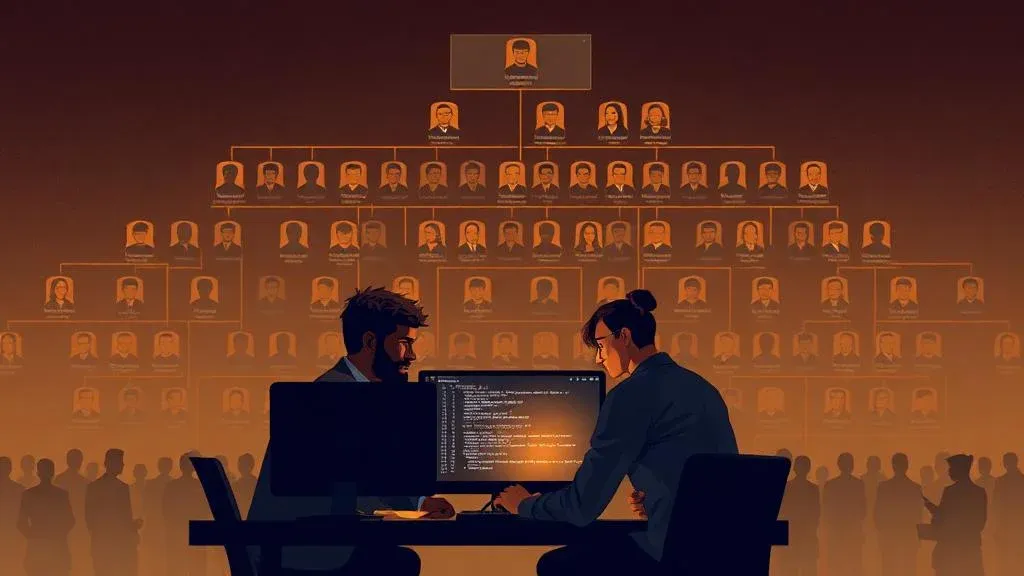
Senior-Only: Why We Don't Put Juniors on Client Projects
The classic consulting model sells senior partners and delivers junior analysts. At Till Freitag, everyone on your proje…
Read moreCulture & Mindset – How to Get Your Team Ready for the AI Era
Introducing AI tools is easy. Creating the culture for it is the real challenge. How to get your team ready for Working …
Read moreAI First = People First – Why Augmentation Is the Future of Work
AI First sounds like technology first. For us, it means: people first. Why augmentation wins and how we live that at Til…
Read more