
Claude Code Is No Longer a Dev Tool – It's a GTM Layer

TL;DR: „Claude Code is no longer an assistant tool. With Opus 4.6, almost every task lands on the first try. Combined with Conductor and OpenClaw, it becomes an autonomous production stack."
— Till FreitagFrom Useful to Indispensable
I've been using Claude Code since day one. It was good. Useful. Worth the setup.
But with Opus 4.6, it's a completely different tool. Most tasks land on the first try now. No back-and-forth. No debugging loops. No manual fixing.
That sounds like an incremental improvement. It's not. It changes what you do with the tool – not just how fast.
What We've Shipped in the Past Weeks
Here's an incomplete list of what went live with Claude Code in just a few weeks:
Personalized Landing Pages
Deep research with Grok, GPT, and Gemini – then built and deployed with Claude Code. No templates, no compromises. Every page individually tailored to the customer.
Internal Tools
AI-powered content generation, monitoring dashboards, content tracking for customers. Tools that used to take weeks of development – now done in hours.
Crawlers and Scrapers
For heavily protected websites. Deployed in minutes, not days. The iteration from "idea" to "running in production" has become absurdly short.
HubSpot Apps and Integrations
Custom apps, enrichment pipelines, scraping modules, tailored integrations. Everything that normally requires a specialized developer.
Outbound Monitoring
Sequence management and monitoring for outbound campaigns. Real-time tracking, automatic alerts, performance dashboards.
Documentation and Content Pipelines
Project management documentation, automated content workflows, structured pipelines from idea to publication.
CRM Management
Complete CRM management with Claude Code – from data enrichment to workflow automation.
The Real Game-Changer: Autonomous Execution
The truly new thing isn't the speed of individual tasks. It's the combination.
Pair Claude Code with OpenClaw and you get autonomous execution for the things you repeat every day. No manual handoff, no copy-paste between tools.
Conductor: 10 Features in Parallel
A tool I've been testing for a week that changes everything: Conductor.
The principle:
- Connect multiple repos to Claude Code instances
- Queue 10 features simultaneously
- Each feature gets its own branch
- Builds, tests, and opens a PR – autonomously
Stop sequencing tasks one by one. Batch them.
That's the difference between "AI helps me code" and "AI ships my backlog while I do strategy."
The Honest Constraint
The constraint is real: you still need a human to decide what gets built and when it ships.
But that's exactly the leverage. The bottleneck between "I know what I need" and "it's live" – that's disappearing right now.
| Before | Now |
|---|---|
| Idea → Spec → Dev → Review → Deploy | Idea → Claude Code → Live |
| 1 feature per day | 10 features in parallel |
| Debugging loops | First-shot delivery |
| Tool-hopping | One stack, one flow |
What This Means for Teams
For Solo Founders and Small Teams
Claude Code as a GTM layer means: you can build landing pages, internal tools, and integrations at the speed of a 10-person team. Alone.
For Agencies
Custom integrations that used to be projects become features. The value shifts from "implementation" to "strategy and architecture."
For Product Teams
Conductor-like setups make parallel feature development real. The backlog is no longer the bottleneck – prioritization is.
Vibe Coding vs. Agentic Engineering – Where Does Claude Code Stand?
Claude Code with Opus 4.6 is the clearest example of the shift from Vibe Coding to Agentic Engineering:
- Vibe Coding: "Build me a login page with Tailwind."
- Claude Code today: "Implement user authentication with OAuth, session management, and tests – across all relevant files."
The difference isn't the quality of the output. The difference is autonomy. Claude Code plans, decides, and implements – not you.
Conclusion: The Question Isn't Whether, But What
The technology is here. The tools are here. The question is no longer whether AI will change your development workflow.
The question is: What's the first workflow you hand off to this stack?
Start with what slows you down the most. Not with what looks easiest.
Related Articles
What Is Agentic Engineering? The Next Step Beyond Vibe Coding
Agentic Engineering goes beyond Vibe Coding: AI agents plan, decide, and implement autonomously. What this means for tea…
Read more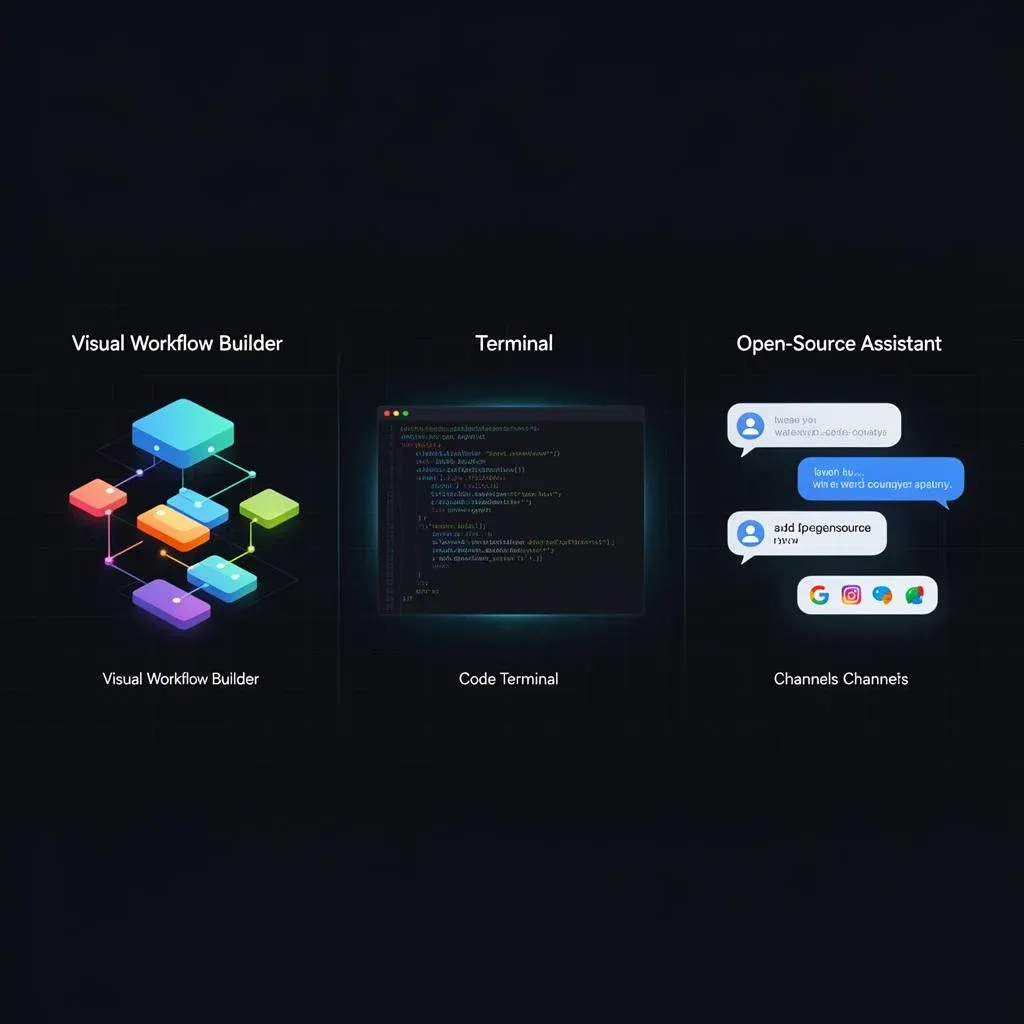
Make vs. Claude Code vs. OpenClaw – Picking the Right Orchestration Layer (2026)
Make.com, Claude Code, or OpenClaw? Three tools, three layers of the stack. Here's when to pick which orchestration tool…
Read more
Agent Skills Are Becoming an Industry Standard: What Teams Need to Know
Agent Skills are reusable capabilities for AI agents – and they're becoming the new standard. What sets them apart from …
Read more
What Is Vibe Coding? Building Software with AI – Simply Explained
Vibe Coding is revolutionizing software development: describe what you want – AI writes the code. Everything about the t…
Read moreClaude Code Hidden Features – 15 Power Tips from Boris Cherny (Anthropic)
Boris Cherny from Anthropic shared 15 hidden Claude Code features that transform the tool from a chat interface into a D…
Read more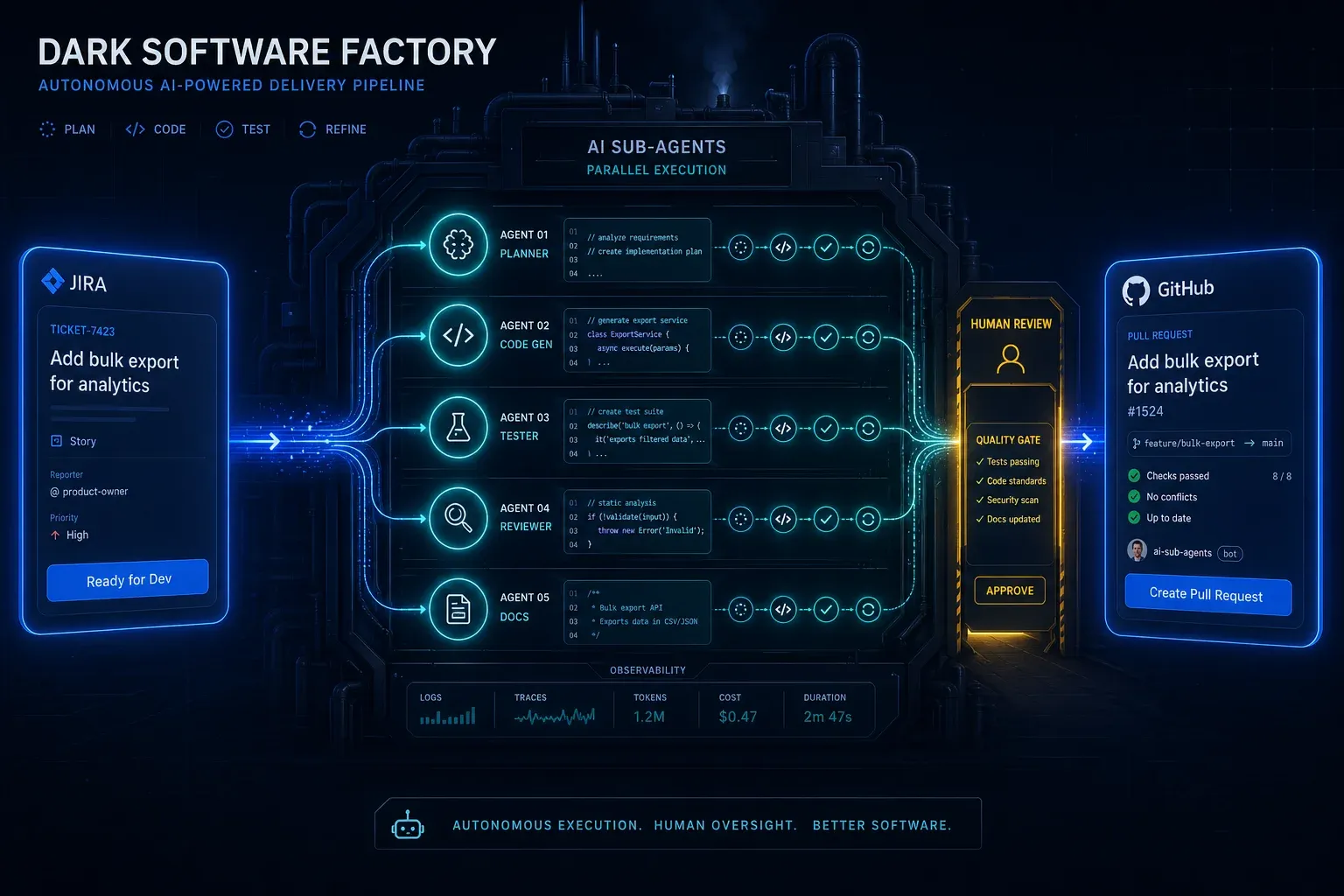
AI Agentic First at Groupon: What Ales Drabek's Dark Software Factory Teaches Us
Ales Drabek, CTIO at Groupon, runs two patterns in production: Dark Software Factory and Speedboats. What that reveals a…
Read more
Globster: monday.com Enters the Personal AI Agent Game – on NVIDIA's NemoClaw
monday agent labs just launched Globster: personal AI agents built on OpenClaw, secured by NVIDIA's NemoClaw runtime. Wh…
Read more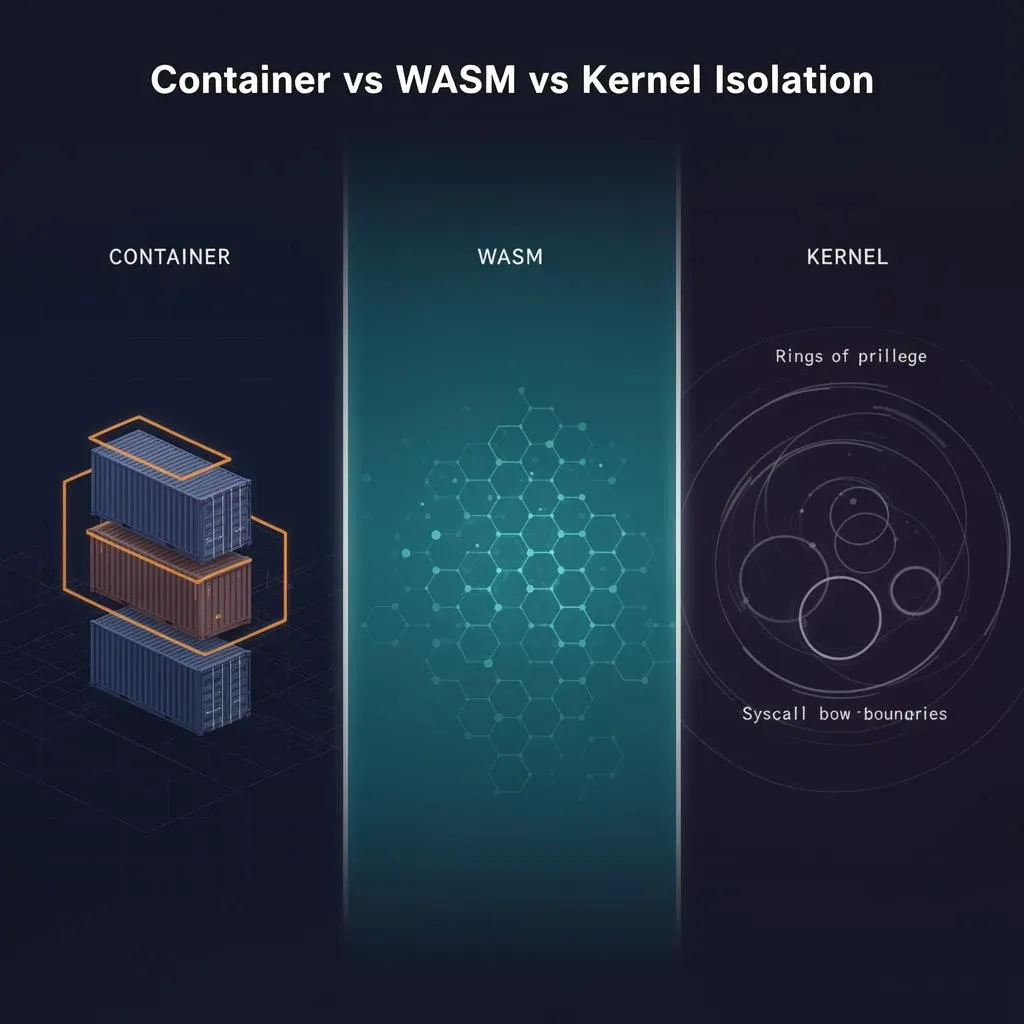
Agent Sandboxing: Containers vs. WASM vs. Kernel – Three Ways to Contain AI Agents
AI agents need isolation. But which kind? Containers, WASM, or kernel-level – three approaches compared with concrete tr…
Read more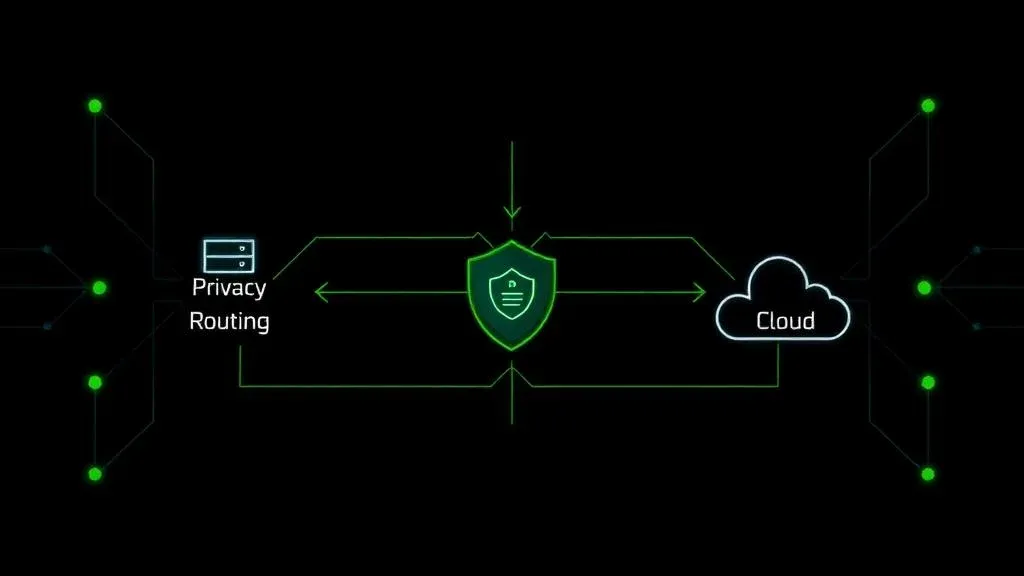
NemoClaw: NVIDIA's Privacy Router and What It Means for Agent Architecture
NVIDIA enters the Claw ecosystem with NemoClaw – and brings a concept that could reshape agent architecture: Privacy Rou…
Read more