
Agent Skills Are Becoming an Industry Standard: What Teams Need to Know

TL;DR: „Agent Skills are structured, reusable instructions for AI agents. They complement MCP (tool access) with behavioral and workflow knowledge – and are becoming the industry standard in 2025/2026."
— Till FreitagAgent Skills – The New Standardization for AI Agents
Anyone working with AI agents today knows the problem: every session starts from scratch. You explain the same conventions, describe the deployment pipeline, remind the agent about commit formats. Agent Skills solve exactly this problem – and in doing so, they're becoming the new industry standard.
What Are Agent Skills?
An Agent Skill is a folder containing a SKILL.md file with structured instructions that an AI agent can read and follow. Instead of packing workflow knowledge into every prompt, a Skill defines once:
- When the agent should activate the skill (triggers)
- How it should proceed (workflow steps)
- What it needs to consider (conventions, constraints)
Example: A Deployment Skill
# Deployment Skill
## Trigger
When the user mentions "deploy" or "release"
## Steps
1. Run tests
2. Create build
3. Generate changelog
4. Create PR with "release" label
## Rules
- Never push directly to main
- Always use semantic versioning
The result: the agent knows how deployments work in your team – without you having to explain it every time.
Agent Skills vs. MCP – Two Sides of the Same Coin
AI agent architecture stabilized around two pillars in late 2025:
| Agent Skills | MCP (Model Context Protocol) | |
|---|---|---|
| What | Behavioral and workflow knowledge | Tool and data access |
| Focus | How the agent works | What the agent works with |
| Format | Markdown files (SKILL.md) | Client-server protocol |
| Example | "Always create PRs with tests" | "Access the database" |
| Analogy | Training a new employee | Providing a toolbox |
The key distinction: MCP gives the agent tools (database access, API calls, file system). Skills give it knowledge about how to use those tools.
Both standards are complementary, not competing. An agent needs both tools (MCP) and workflows (Skills) to work effectively.
Who's Already Using Agent Skills?
Agent Skills are no longer a niche topic. The most important platforms already support them:
Claude & Claude Code
Anthropic has integrated Skills as a native concept in Claude Code. Through CLAUDE.md files and project-specific skills, the agent can permanently learn team conventions, code standards, and workflow patterns.
Cursor
Cursor distinguishes between Rules (.cursor/rules/) for global settings and Skills for task-specific workflows. Skills can be automatically activated when certain file types or project structures are detected.
ChatGPT & OpenAI Codex
OpenAI supports similar concepts through Custom Instructions and project-specific context files that function as a skill layer.
Replit
Replit's agent system uses .replit configurations and project-specific instructions that follow the skill concept.
Notion AI
Notion integrates agent-based workflows where skills are defined as workspace-specific rules and templates.
Gumloop & Automation Platforms
No-code platforms like Gumloop adapt the skill concept for visual workflow builders – each building block becomes an Agent Skill.
Why Are Skills Becoming the Standard?
1. Reusability
A skill defined once works in every session, for every team member, across months. No more copy-pasting prompts.
2. Team Consistency
When the agent has the same skills, all team members work to the same standards – without alignment meetings.
3. Version Control
Skills are files in the repository. They're versioned with Git, reviewed in code reviews, and evolve with the project.
4. Composability
Skills can be combined: a "Testing" skill + a "Deployment" skill + a "Documentation" skill create a complete CI/CD workflow.
5. Portability
Since skills are based on Markdown, they're transferable between different agents and platforms – Cursor today, Claude Code tomorrow.
Agent Skills in Practice: Three Examples
Code Review Skill
The agent automatically checks for team conventions, security patterns, and performance anti-patterns – before a human sees the PR.
Onboarding Skill
New team members get an agent that knows the project: architecture decisions, naming conventions, deployment processes.
Incident Response Skill
When alerts fire, the agent analyzes logs, correlates with recent deployments, and suggests rollback steps – in seconds, not minutes.
How to Get Started with Agent Skills
- Identify repetitive workflows – What do you keep explaining to the agent?
- Create a SKILL.md – Document triggers, steps, and rules
- Test iteratively – Refine the skill based on agent behavior
- Share with the team – Commit skills to the repository
- Combine with MCP – Ensure the agent also has the necessary tools
Conclusion: Skills + MCP = The Complete Agent
Agent Skills are the missing half of AI agent architecture. While MCP gives the agent tools, Skills give it the knowledge to use those tools correctly. Together, they form the standard on which the next generation of developer workflows is being built.
Teams that invest in Skills today build a cumulative knowledge advantage – every skill makes the agent better, and better agents make the team more productive.
→ Learn more about Agentic Engineering
Read next: Trillions of Agents – What Aaron Levie's Thesis Means for European SMBs
Related Articles

Ponytail: The Best Code Is the Code You Never Wrote
A dev built Ponytail because his AI agents wrote 500 lines for a 5-line problem. The result: 80-94% less code, 47-77% ch…
Read more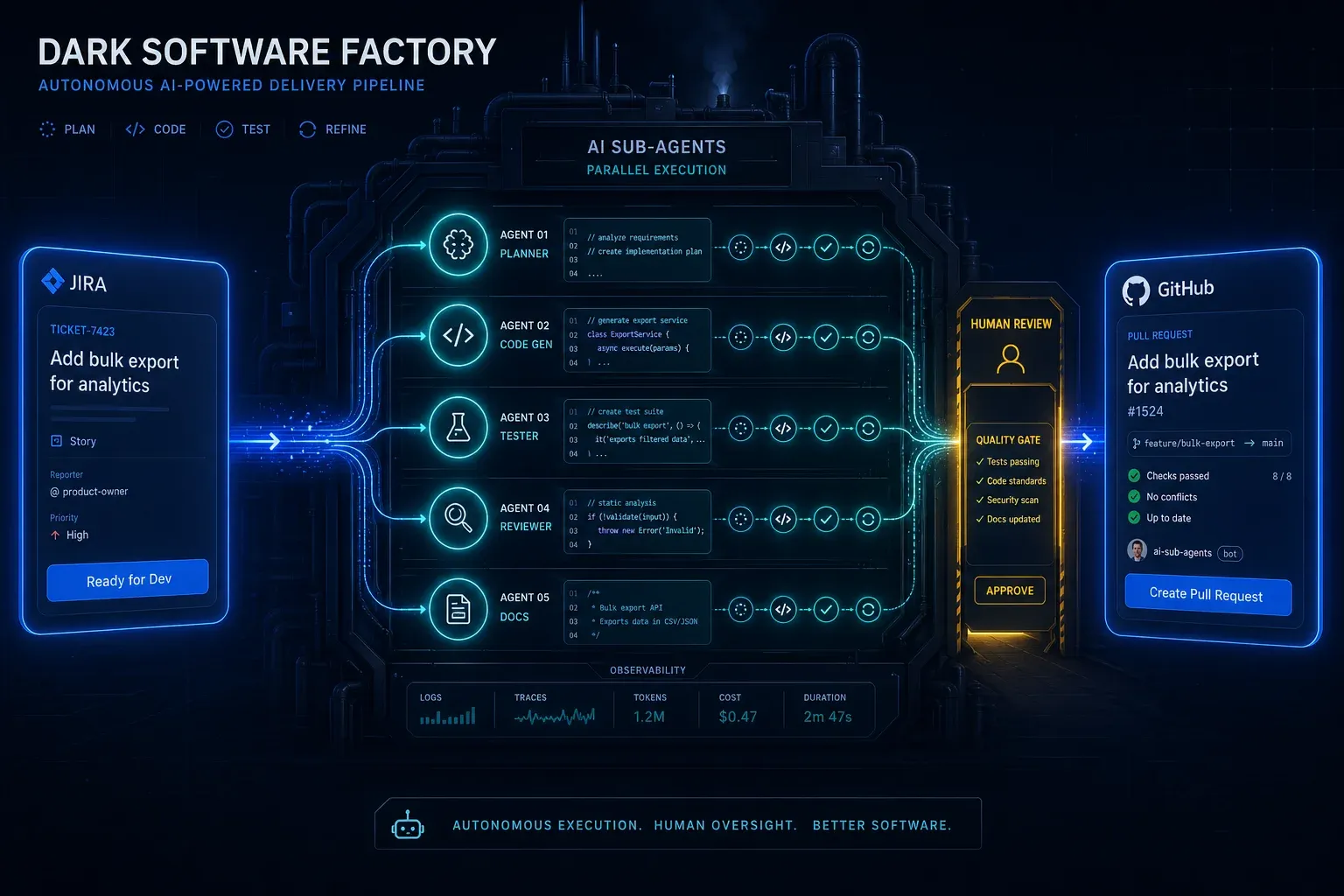
AI Agentic First at Groupon: What Ales Drabek's Dark Software Factory Teaches Us
Ales Drabek, CTIO at Groupon, runs two patterns in production: Dark Software Factory and Speedboats. What that reveals a…
Read more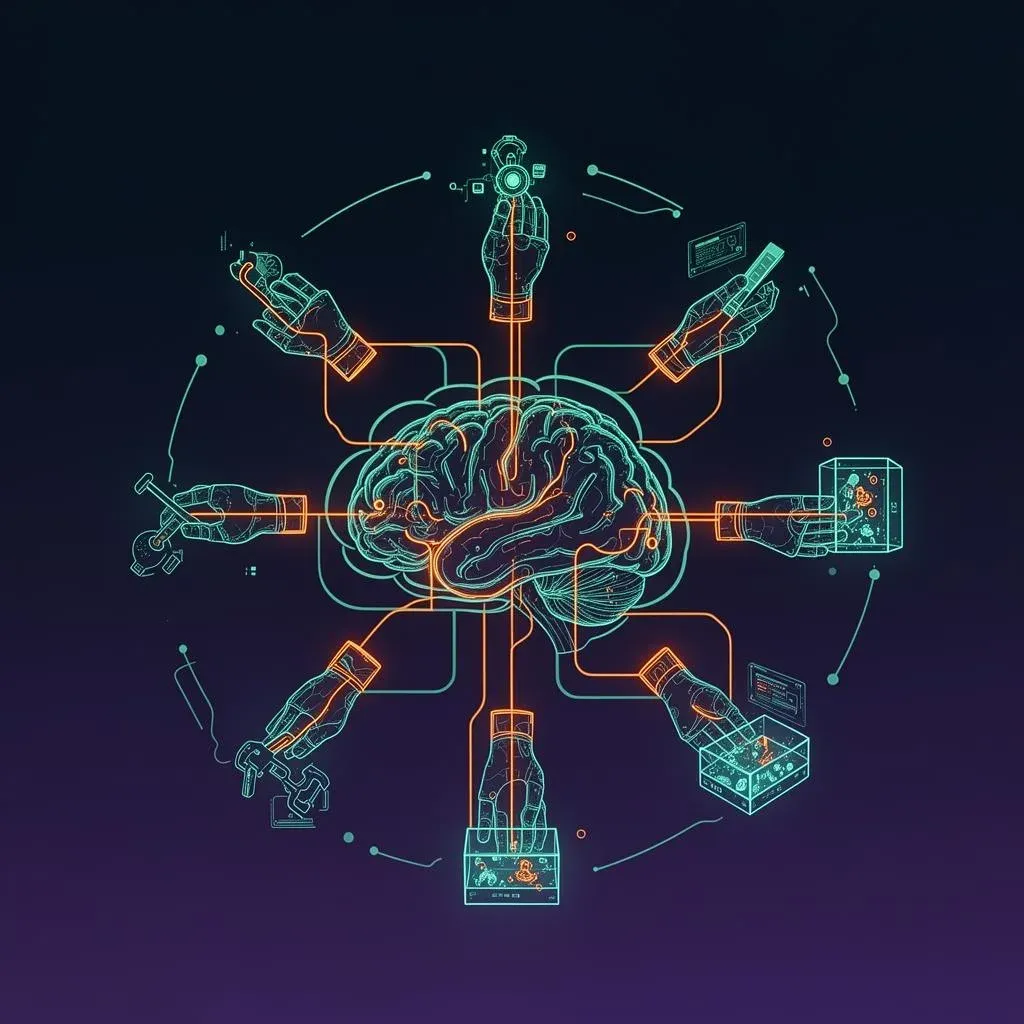
Claude Managed Agents: Anthropic's Play to Own the Agent Runtime
Anthropic launches Managed Agents in public beta – a hosted runtime that decouples the 'brain' from the 'hands.' No more…
Read more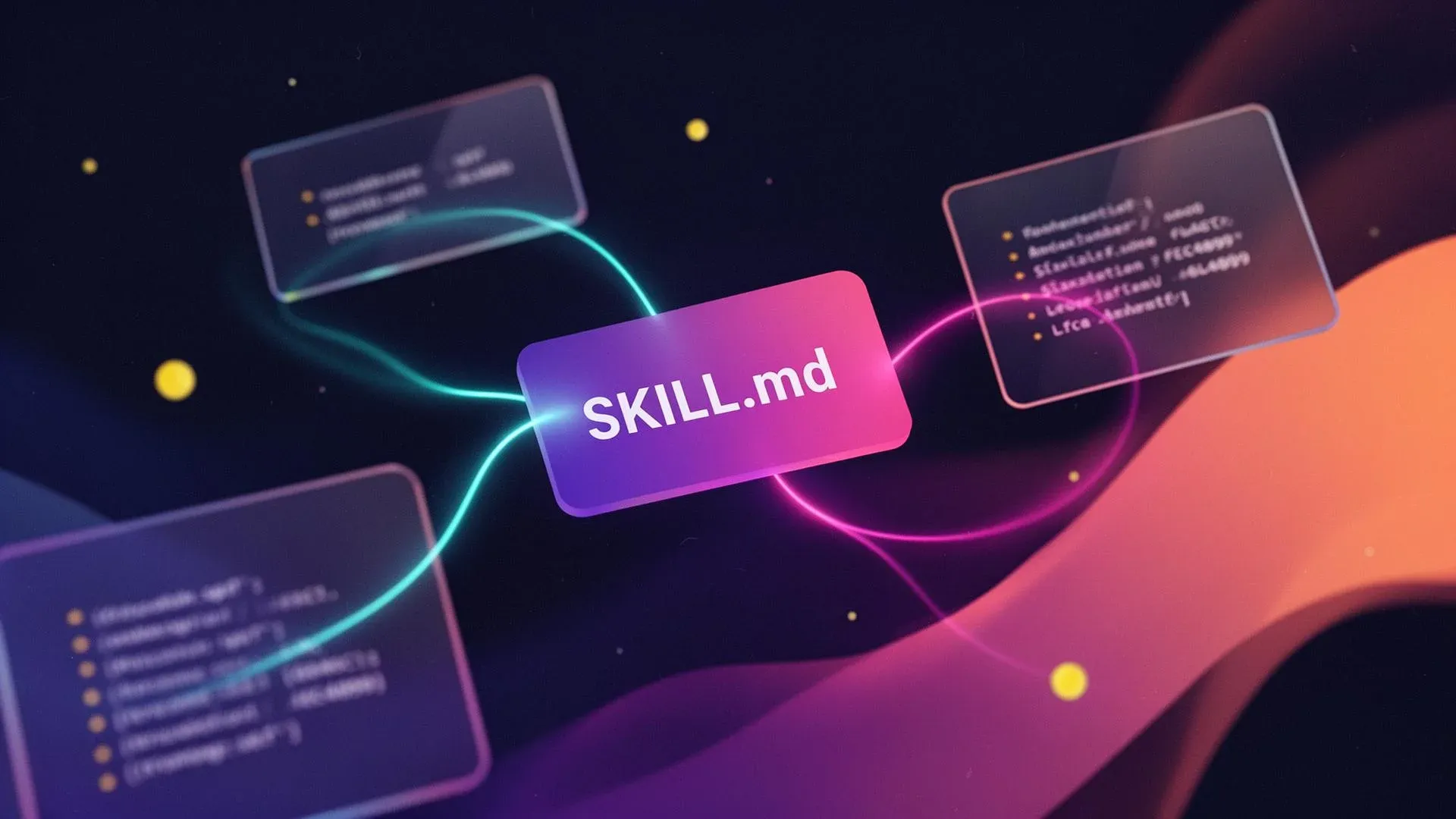
Lovable Skills: Repetition Turns Into Reusable Playbooks
Lovable just rolled out Skills – Anthropic's format for reusable agent instructions. What Skills are, how they differ fr…
Read more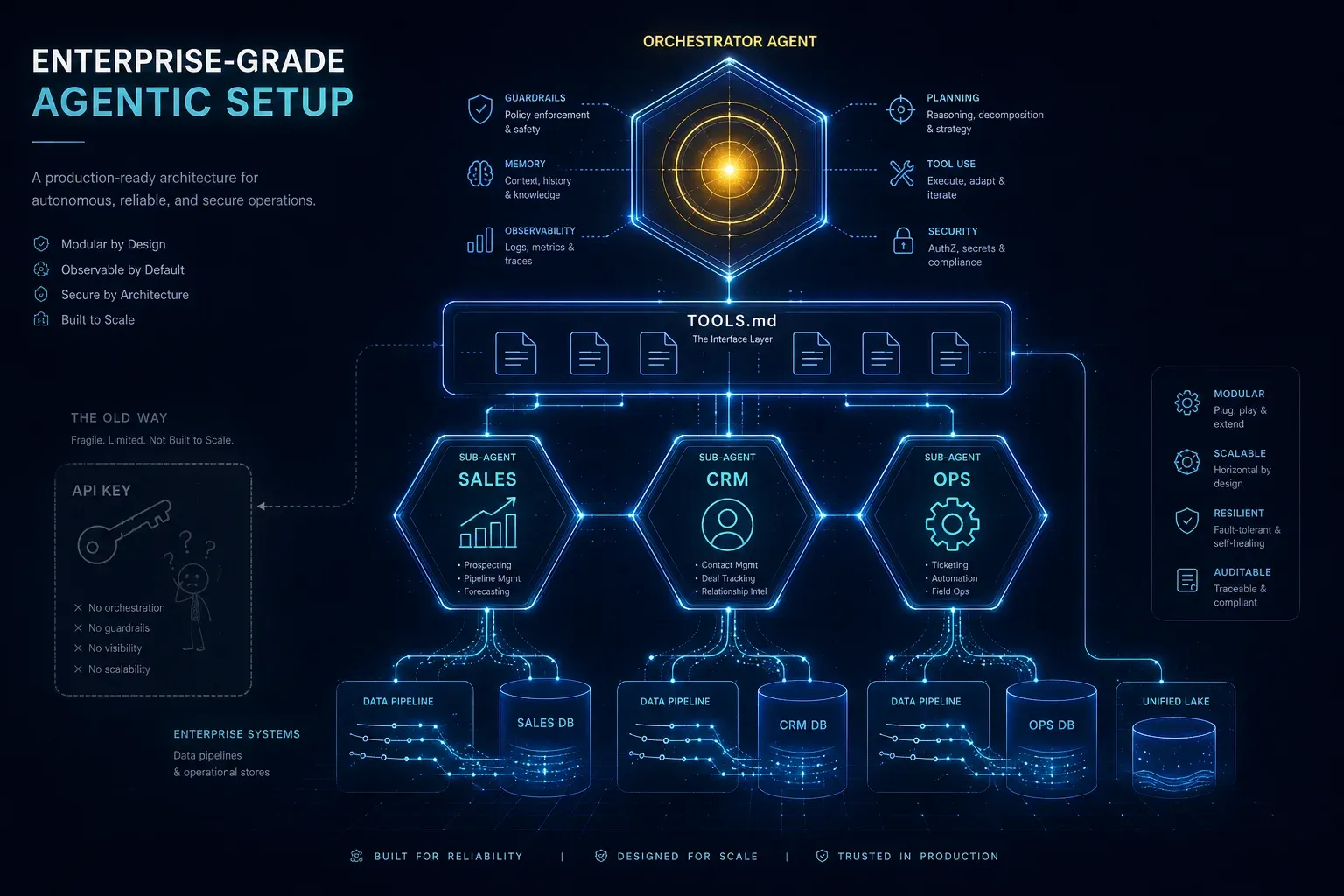
Enterprise-Grade Agentic Setup: Why an API Key Is Not an AI Strategy
An API key on your website is child's play. An agentic setup with specialised sub-agents, TOOLS.md, clean system prompts…
Read more
monday.com MCP: All Available Tools and Integrations Overview
monday.com offers two powerful MCP servers – Platform MCP and Apps MCP – plus native integrations for Claude, Cursor, Ch…
Read more
Claude Code Is No Longer a Dev Tool – It's a GTM Layer
With Opus 4.6, Claude Code has fundamentally changed: from a developer tool to an autonomous Go-To-Market layer. What we…
Read more
From SKILL.md to SkillOps: Scaling Agent Skills Across Teams
Writing one Skill is easy. Managing 50 across 5 teams? That's where SkillOps comes in – from governance and versioning t…
Read more
Skills Made Documentation Sexy: Why Developers Suddenly Love Writing Docs
Nobody likes writing docs. But Agent Skills changed the game: documentation is now executable knowledge – and suddenly e…
Read more