
Lovable SEO/AEO: Every App Discoverable by Google and ChatGPT From Day 1


TL;DR: „Lovable closes the gap between 'published' and 'discovered': new apps ship with real SSR (TanStack Start), existing apps get automatic pre-rendering. Plus Semrush data in chat and a one-click SEO review. All free on every plan."
— Till FreitagBig news from May 13, 2026: Lovable officially released Discoverability today – a bundle of SSR, pre-rendering, Semrush integration and SEO review. Building was yesterday. Getting found is the new discipline.
What changed today
Until now: you built an app in Lovable, hit Publish – and then had to handle visibility yourself. Generate a sitemap, maintain meta tags, configure prerendering, get a Semrush account, copy-paste JSON-LD schemas.
With today's release, that's over. Every Lovable app is readable by search engines and LLM crawlers from the moment it's published. Four building blocks make this happen:
| Building block | For whom | Status |
|---|---|---|
| Server-Side Rendering (SSR) | New apps on TanStack Start | Live, free on every plan |
| Pre-Rendering | All existing apps (React + Tailwind) | Auto-enabled, no migration |
| Semrush in the builder chat | All users, no Semrush account needed | Live, consumes regular build credits – no extra cost until Aug 15, 2026 |
| SEO/AEO Review | All apps | Free on every plan, one-click fixes |
More than 200,000 projects ship on Lovable every day. Starting today, every single one is built to be discovered.
SSR instead of SPA: the tech stack shift
New apps in Lovable now build on TanStack Start. The crucial difference vs. the previous React SPA: the page is rendered as full HTML before delivery to the browser. Google, ChatGPT crawlers, Perplexity, the Slack preview bot – all get real content immediately, with no JavaScript execution required.
Before (SPA):       <div id="root"></div>  →  JS loads  →  content
Now (TanStack SSR): Full HTML with content, meta, JSON-LD on first request
For a deeper technical look at why SPAs without this step are practically invisible to crawlers: Prerendering: how a React SPA becomes a Google-friendly site.
But what about my old app?
No reset, no migration needed. Existing Lovable apps on the previous stack get automatic pre-rendering: static HTML snapshots are generated and served to crawlers. Users still get the SPA experience, bots get full HTML.
A full SSR migration for existing apps isn't possible (yet) – but pre-rendering closes 90% of the visibility gap.
Semrush in chat: the discoverability cofounder
By far the most exciting feature in my view: Semrush data directly in the builder chat. No second tab, no separate account, no extra subscription layer.
Examples of prompts that now work:
- "Which keywords should I target?"
- "What am I currently ranking for?"
- "What does my competitor rank for that I don't?"
- "Build me a landing page for
vibe coding"
Lovable pulls 28 billion keywords and 43 trillion backlinks from Semrush, suggests topics – and can build the optimized page right away. With title, meta, H1, schema, the works.
Important on cost: Semrush queries in chat consume your regular Lovable build credits – but until August 15, 2026 there's no extra charge for the Semrush data itself (no separate billing, no surcharge on top). After that the credit usage stays, and you still don't need your own Semrush account.
Cost breakdown: what does a Semrush query cost?
Lovable bills Semrush calls like any other chat message – 1 credit per prompt (whether it's a keyword idea or a competitor comparison). Multi-step requests that trigger several tool calls in the background (e.g. "Build me the landing page for vibe coding including competitor analysis") consume more accordingly.
Rough rule of thumb for planning:
| Activity | Estimated usage | Pro plan (100 credits/mo) covers |
|---|---|---|
| Single keyword question ("What do I rank for?") | ~1 credit | ~100 queries |
| Competitor comparison + topic list | 2–4 credits | ~25–50 research runs |
| Full landing page from keyword brief | 5–15 credits | 6–20 pages |
| Full audit + applying the fixes | 20–50 credits | 2–5 apps |
Reality check: If you run serious content strategy inside the builder, plan for 200–400 credits/month – meaning Pro with top-ups, or Business. We broke down the full plan overview here.
Practical take: This integration kills the reason-to-exist of two tool categories at once: the classic keyword research tool for solopreneurs, and the "SEO copywriter service" for early-stage startups. This isn't a "nice feature" – it's a market shift.
The SEO/AEO Review: a TÜV badge for your app
The AEO in the headline stands for Answer Engine Optimization – the discipline of being recommended as the answer in ChatGPT, Claude and Perplexity. Lovable's new review checks both in one run:
- Performance (Core Web Vitals)
- Metadata quality (title, description, OG tags)
- Heading structure (H1/H2 hierarchy)
- Image alt texts
- Canonical tags
- Robots.txt & sitemap.xml
- Structured data (JSON-LD)
- Markdown output for LLM crawlers
Every finding comes with a one-click fix. Click → Lovable writes the code → done. The review itself is free; applying fixes uses regular build credits (just like any other edit).
The old "Speed Dashboard" is replaced by the new SEO Dashboard. Performance stays in, but in the context of discoverability – where it belongs.
What this means for you
As a solo builder or vibe coder
You no longer need to learn what a canonical URL is, how OpenGraph works, or why your WordPress sitemap plugin needs three plugins. You build your app – Lovable makes it visible. Period.
As a SaaS founder
The distribution layer is now part of the build layer. You can validate directly in the builder whether there's any search volume for your USP keyword – before you build the marketing site. And landing pages for long-tail keywords are one chat message away.
As an agency or consultancy
Two consequences:
- "We do your SEO" as a standalone service gets harder to sell. One-click fixes for standard SEO findings are now commodity.
- Advisory shifts up: strategy, content architecture, AEO positioning vs. competitors, technical schema tuning for complex e-commerce or marketplace setups. The stuff Lovable's review can't solve in one click.
If you're still running pure "on-page SEO audits" as your main offering in 2026, take an honest look at the business model. The tools are eating the tier-1 market.
What Lovable is positioning here
There's a bigger movement behind this: Lovable is shifting from app builder to app distribution layer. Anthropic is moving the same direction with its App Builder – but Lovable is now stacking the next layer concretely with Semrush and SSR, which we already speculated about here.
What's obvious next, but not yet announced:
- Conversion tracking & funnel analysis in the builder (not just rankings)
- Direct integration with ad platforms (Google Ads, LinkedIn Ads) – build a landing page + launch the campaign in one flow
- A/B testing for meta tags and headlines, Semrush-powered
That would be the full loop: build → publish → rank → convert – all in one chat window.
Two recommendations for next week
- Existing app in Lovable? Run the SEO review once. Pre-rendering is already active – but meta tags, alt texts and schema are your one-click quick wins.
- New project planned? Start it on TanStack Start. The SSR tech stack is the clean foundation for the next 24 months.
And if you want help wiring your discoverability strategy around these new building blocks – we build exactly that. With Lovable, with Semrush, without McKinsey slides.
FAQ
Do I need my own Semrush account?
No. Semrush data is natively integrated into the Lovable builder chat. No separate subscription, no API key, no second login – just ask in chat.
What happens after August 15, 2026?
The Semrush integration stays. Only the special pricing window ends. Until then, Semrush data queries incur no extra cost beyond the regular build credits. After that, expect Lovable to introduce either a per-query surcharge or a higher credit weight for Semrush calls. Lovable hasn't shared the exact post-window pricing yet.
How many credits does a Semrush query cost?
A simple chat query = 1 credit. More complex tasks (e.g. "Build me the landing page for vibe coding including a competitor analysis") trigger multiple tool calls and cost more accordingly (5–15 credits is realistic).
Do I have to migrate my existing Lovable app to be SEO-ready?
No. Pre-rendering is auto-enabled for all existing apps – no migration, no reset. A full SSR migration to TanStack Start isn't possible (yet), but pre-rendering closes 90% of the visibility gap.
Is the SEO/AEO review really free?
Yes. The review itself costs no credits. Applying the suggested fixes consumes regular build credits – just like any other code change in the builder.
Does this work for apps with a custom domain?
Yes. SSR and pre-rendering work independently of the domain. Sitemap, robots.txt and canonicals are automatically aligned to your active domain.
Sources: Lovable Blog: Building is just the beginning · Lovable SEO/AEO product page
Related Articles
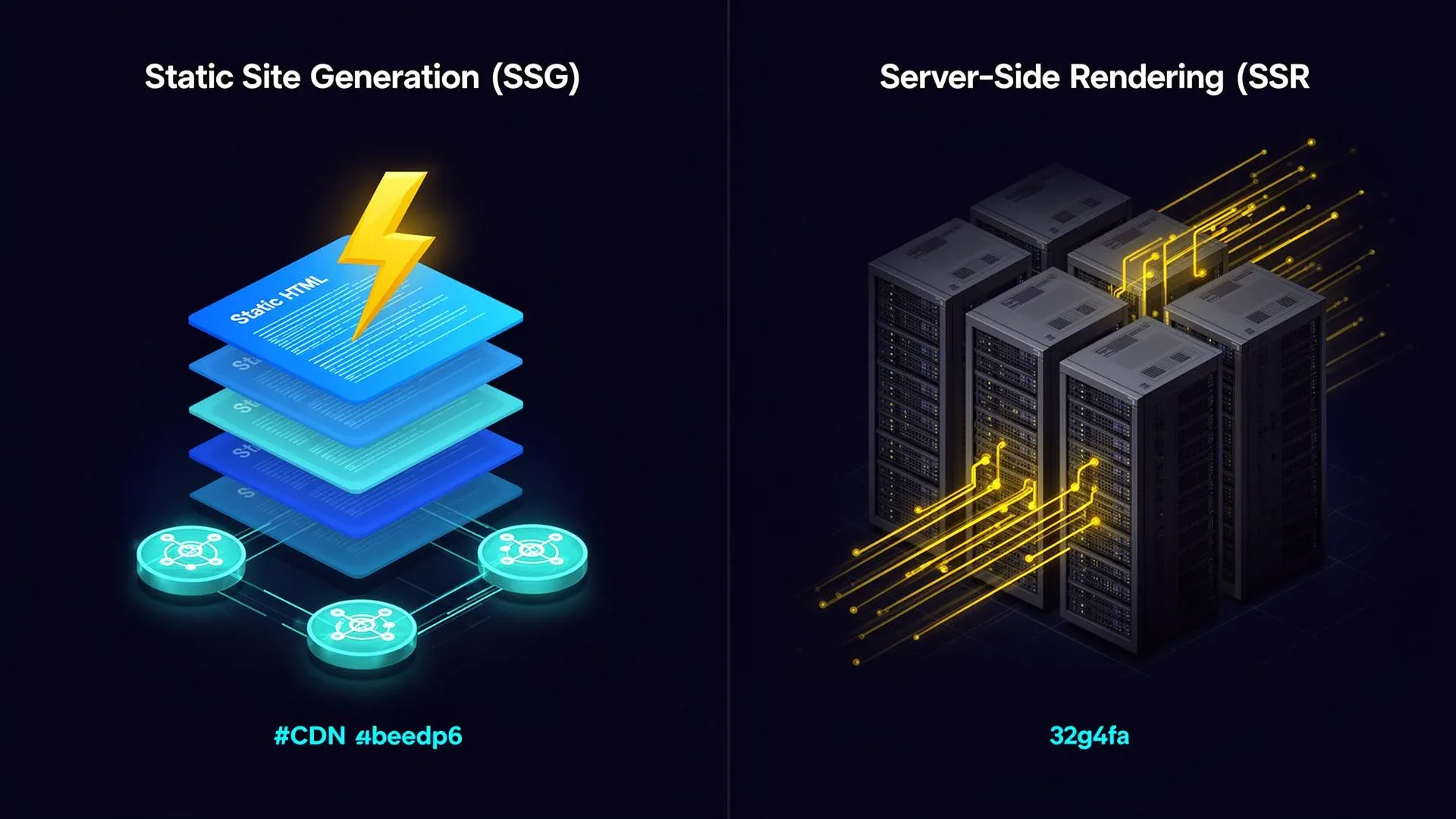
SSR or Pre-Rendering? What We Evaluated for Mykeythai vs. Our Default Approach
Lovable now ships real SSR via TanStack Start. We checked for Mykeythai whether to switch – and why our pre-rendering ap…
Read more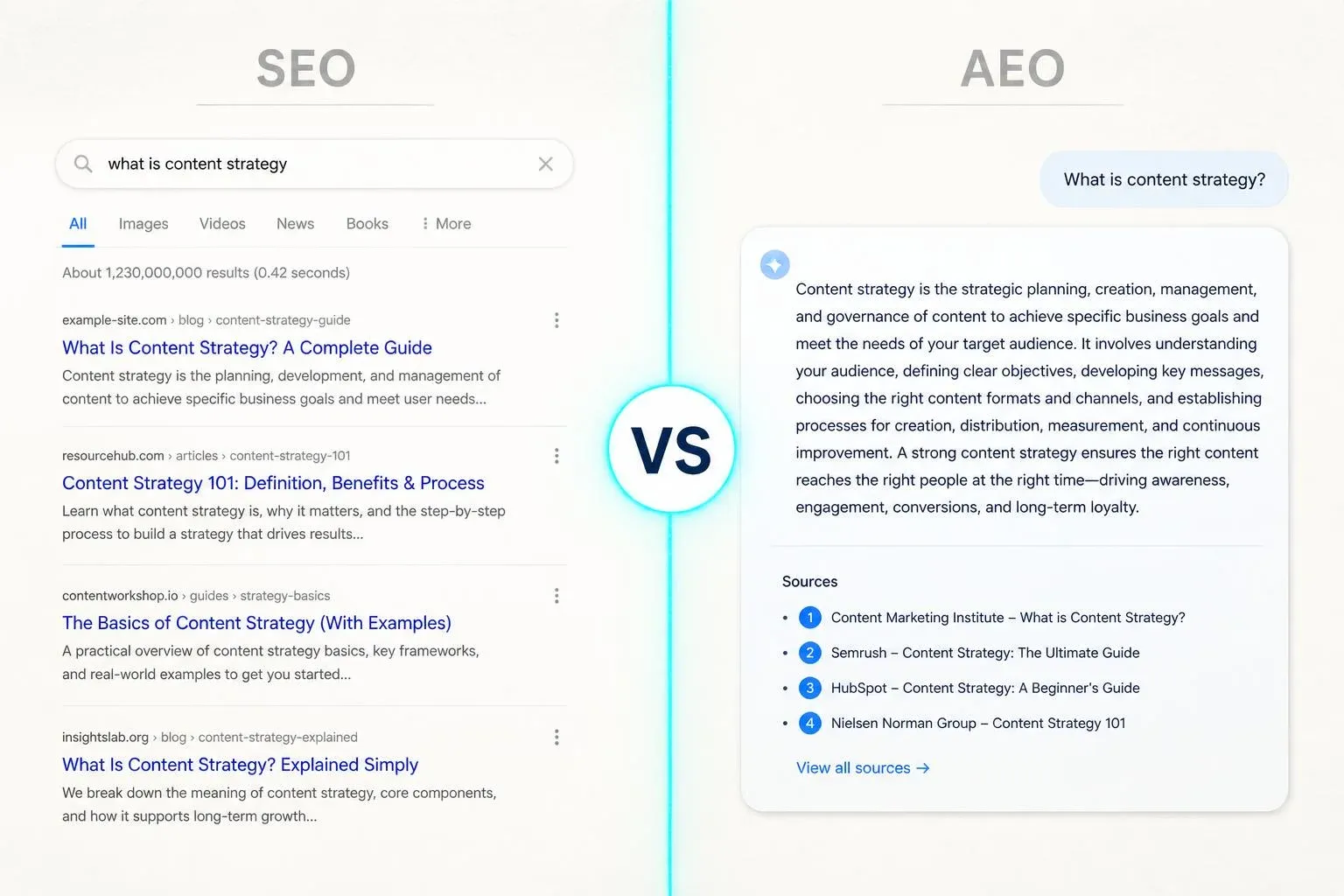 Deep Dive
SEO vs. AEO – aren't they the same thing?
SEO and AEO sound like the same game with a different acronym. They're not. Where the two disciplines overlap, where the…
Read more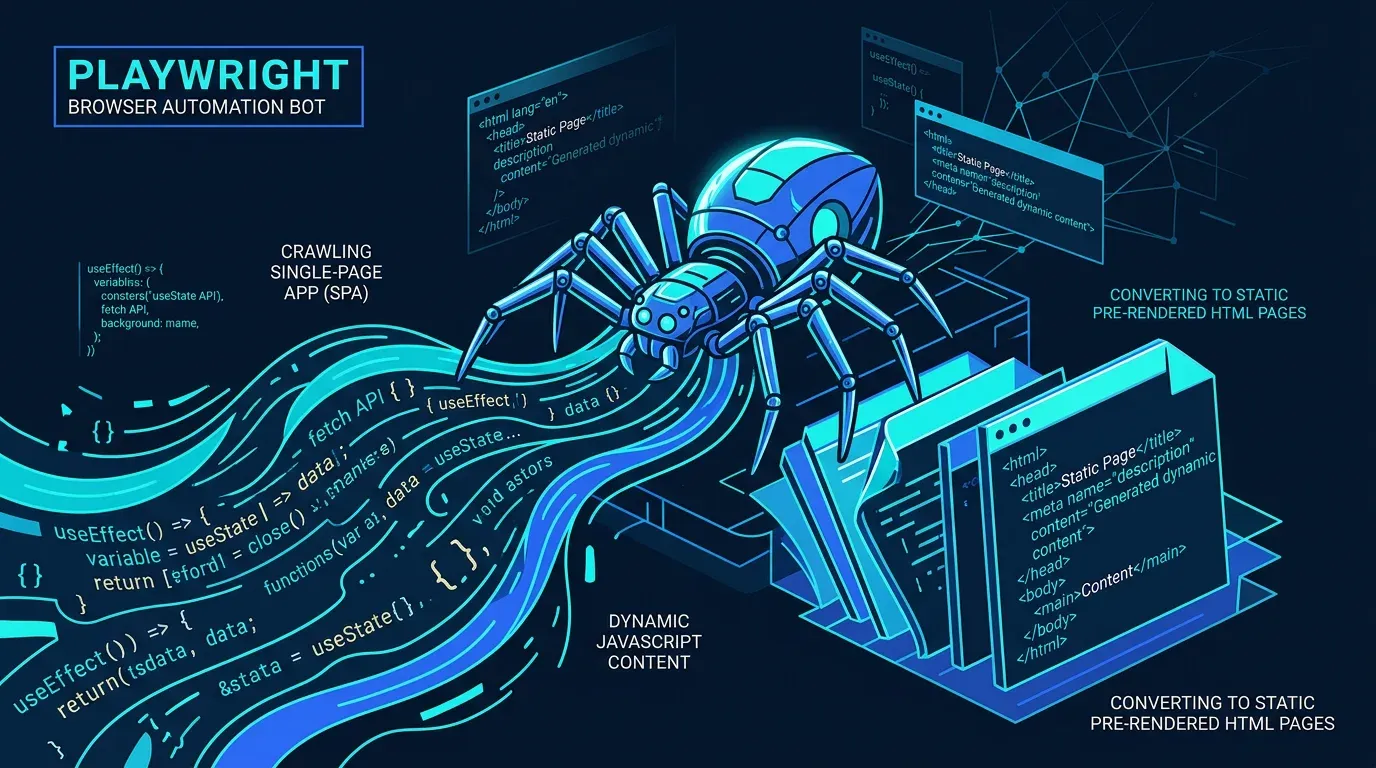
Prerendering: How to Turn a React SPA Into a Google-Friendly Site
React SPAs are invisible to crawlers. Prerendering fixes that – without Next.js, without an SSR server. How our Playwrig…
Read more
GPTBot, ClaudeBot, PerplexityBot: What AI Crawlers Really See With Prerendering
We analyzed three months of edge logs: who actually crawls, who executes JavaScript, and who relies entirely on the HTML…
Read more
Lovable → GitHub → Vercel: The Complete Deployment Flow for SEO-Ready Apps
Lovable generates the app, GitHub versions the code, Vercel delivers with < 50ms TTFB. This guide shows the complete flo…
Read morePlaywright SSG Tutorial: How to Make Lovable Apps Visible to Google
SPAs are invisible to search engines. With Playwright, you can render any Lovable app into static HTML – automated, on e…
Read more
Vibe Coding & SEO: Why AI-Generated Apps Stay Invisible – And How We Fix It
Lovable, Bolt, v0 – Vibe Coding tools produce SPAs that Google can't see. Our playbook makes them SEO-ready: SSG, Schema…
Read more
Google Search Console for Vibe Coding Projects: Setup, Debugging & Indexing
Your Lovable app is live on Vercel – but Google isn't indexing anything? How to set up Search Console, debug crawling is…
Read more
OG-Image Best Practices for SPAs: Making Your Vibe Coding Projects Shareable
When you share a link from your Lovable app, LinkedIn shows an empty box. Why SPAs don't deliver social previews – and h…
Read more