
AI Website Builder Compared: Framer vs. Webflow AI vs. Wix AI vs. Durable vs. Lovable Stack

TL;DR: „Framer leads in design, Webflow in CMS, Wix in reach. But the Lovable + GitHub + Vercel stack wins on code ownership, performance, and SEO control."
— Till FreitagWhy AI Website Builders Are Their Own Category
In our Vibe Coding Explosion article, we defined AI Website Builders as a separate category – distinct from AI App Builders like Lovable or Bolt.new. The reason: AI Website Builders optimize for SEO, content management, and visual design – not for app logic, state management, or databases.
But what happens when you combine an AI App Builder with the right deployment stack? That's exactly what we're testing: four classic AI Website Builders – plus the Lovable + GitHub + Vercel stack as a fifth contender.
The Candidates
| Tool | Focus | Pricing (Start) | Target Audience |
|---|---|---|---|
| Framer AI | Design-first websites | $5/month | Designers, startups |
| Webflow AI | CMS-driven websites | $14/month | Agencies, marketing teams |
| Wix AI | All-in-one website builder | $17/month | SMBs, solo founders |
| Durable | Instant business websites | $12/month | Micro-businesses, freelancers |
| Lovable + GitHub + Vercel | Code-first with AI generation | Pay-as-you-go | Tech-savvy teams, agencies |
SEO Comparison: What Matters
For marketing websites, five SEO factors are decisive:
- HTML Quality – Semantic markup, clean heading hierarchy
- Core Web Vitals – LCP, FID/INP, CLS
- Rendering Method – SSG, SSR, or client-side?
- Meta Control – Title, description, canonical, OG tags
- Code Ownership – Can I export the code and self-host?
1. HTML Quality
Framer generates relatively clean HTML, but with proprietary classes and nested containers. Heading hierarchy isn't automatically enforced – you can easily place H3 before H2.
Webflow has the best semantic markup among the classic builders. You have full control over HTML tags, classes, and attributes. The CMS generates structured data automatically.
Wix generates heavily nested HTML with many div wrappers and internal framework classes. The markup is functional but not lean.
Durable generates minimalist HTML – which sounds good, but lacks semantic depth. No article tags, no structured data out of the box.
Lovable Stack generates real React with semantic HTML – <article>, <section>, <nav>, clean heading hierarchy. Through prerendering, this becomes static HTML that crawlers can parse directly. No proprietary markup, no framework artifacts in the output.
Winner: Lovable Stack > Webflow > Framer > Durable > Wix
2. Core Web Vitals
| Metric | Framer | Webflow | Wix | Durable | Lovable Stack |
|---|---|---|---|---|---|
| LCP | ⚡ Good | ✅ Very good | ⚠️ Medium | ✅ Good | ✅ Excellent |
| INP | ✅ Good | ✅ Good | ⚠️ Medium | ✅ Good | ✅ Excellent |
| CLS | ⚠️ Medium | ✅ Good | ⚠️ Medium | ✅ Good | ✅ Excellent |
Lovable Stack leads clearly: SSG via Vercel + edge delivery yields Lighthouse 100 out of the box. Webflow has invested heavily in performance and follows closely. Framer occasionally has CLS issues from animations. Wix struggles with JavaScript bloat. Durable is lean because there's not much happening.
Winner: Lovable Stack > Webflow > Durable > Framer > Wix
3. Rendering Method
| Tool | Method | SEO Impact |
|---|---|---|
| Framer | SSG + CDN | ✅ Optimal |
| Webflow | SSG + CDN | ✅ Optimal |
| Wix | SSR + Client Hydration | ⚠️ Acceptable |
| Durable | SSG | ✅ Good |
| Lovable Stack | SSG + Edge (Vercel) | ✅ Optimal |
Framer, Webflow, and the Lovable Stack use Static Site Generation – the gold standard for SEO. The Lovable Stack additionally leverages Vercel's Edge Network with ISR (Incremental Static Regeneration) for dynamic content. Wix uses Server-Side Rendering with client hydration, leading to higher Time-to-Interactive values.
Winner: Lovable Stack ≥ Framer = Webflow > Durable > Wix
4. Meta Control
All five offer basic meta tag control (title, description, OG). Differences:
- Lovable Stack: Full control over everything – JSON-LD, hreflang, canonical, custom head, Open Graph, Twitter Cards. You write code, so there are no limitations.
- Webflow: Full control including custom code in head, hreflang, canonical tags, JSON-LD
- Framer: Good basics, but limited custom head content
- Wix: SEO Wiz offers guided optimization, but little low-level control
- Durable: Minimal control, barely customizable
Winner: Lovable Stack ≥ Webflow >> Framer > Wix > Durable
5. Code Ownership
This is where things get real:
| Tool | Code Export | Self-Hosting | Version Control |
|---|---|---|---|
| Framer | ❌ No | ❌ No | ❌ No |
| Webflow | ⚠️ Limited | ⚠️ HTML/CSS only | ❌ No |
| Wix | ❌ No | ❌ No | ❌ No |
| Durable | ❌ No | ❌ No | ❌ No |
| Lovable Stack | ✅ Full | ✅ Any host | ✅ Git history |
The Lovable Stack is in a league of its own here: The code lives in your GitHub repository. You can fork it anytime, migrate to another host, or develop it manually. No lock-in, no proprietary format. The other four? You rent your website – you don't own it.
Winner: Lovable Stack >>>>> all others
The Big Picture
| Criterion | Framer | Webflow | Wix | Durable | Lovable Stack |
|---|---|---|---|---|---|
| HTML Quality | ⭐⭐⭐ | ⭐⭐⭐⭐ | ⭐⭐ | ⭐⭐ | ⭐⭐⭐⭐⭐ |
| Core Web Vitals | ⭐⭐⭐ | ⭐⭐⭐⭐ | ⭐⭐ | ⭐⭐⭐ | ⭐⭐⭐⭐⭐ |
| Rendering | ⭐⭐⭐⭐ | ⭐⭐⭐⭐ | ⭐⭐⭐ | ⭐⭐⭐⭐ | ⭐⭐⭐⭐⭐ |
| Meta Control | ⭐⭐⭐ | ⭐⭐⭐⭐⭐ | ⭐⭐⭐ | ⭐⭐ | ⭐⭐⭐⭐⭐ |
| Code Ownership | ⭐ | ⭐⭐ | ⭐ | ⭐ | ⭐⭐⭐⭐⭐ |
| Design Quality | ⭐⭐⭐⭐⭐ | ⭐⭐⭐⭐ | ⭐⭐⭐ | ⭐⭐ | ⭐⭐⭐⭐ |
| AI Quality | ⭐⭐⭐⭐ | ⭐⭐⭐ | ⭐⭐⭐ | ⭐⭐⭐⭐ | ⭐⭐⭐⭐⭐ |
| CMS | ⭐⭐ | ⭐⭐⭐⭐⭐ | ⭐⭐⭐ | ⭐ | ⭐⭐⭐ |
| Ease of Entry | ⭐⭐⭐⭐ | ⭐⭐⭐ | ⭐⭐⭐⭐⭐ | ⭐⭐⭐⭐⭐ | ⭐⭐⭐ |
Our Recommendation by Use Case
- "I need a beautiful landing page, fast" → Framer AI
- "I need a CMS-driven website with a blog" → Webflow AI
- "I need everything in one place, simple" → Wix AI
- "I need a business website in 30 seconds" → Durable
- "I need full control, SEO performance, and scalability" → Lovable + GitHub + Vercel
Why the Lovable Stack Isn't a No-Brainer (Yet)
To be fair: The Lovable Stack has a higher barrier to entry than the four classic builders. You need:
- Basic understanding of Git and deployments
- Willingness to work with code as output (even though Lovable generates it)
- A technical partner or own know-how for customization
For marketing managers who "just need a website quickly," Framer or Wix is the more pragmatic choice. For teams that need long-term SEO performance, independence, and scalability, the Lovable Stack is unbeatable.
Conclusion
AI Website Builders democratize web development for marketing teams. Webflow leads in CMS. Framer in design. Wix in simplicity. Durable in speed.
But all four trade code ownership for convenience. The Lovable + GitHub + Vercel stack is the only approach that combines AI generation with full code ownership, perfect Core Web Vitals, and unlimited scalability.
For the overview: The Vibe Coding Explosion – 138 Tools, 7 Categories
SEO for Vibe-Coding Apps: The Blind Spot
All AI website builders – whether Lovable, Framer, or Webflow – generate SPAs or client-side rendering. That means: Google often sees nothing. If you're building a public website with an AI builder, you need an SEO stack that solves this problem.
We've developed a complete workflow for this: Vibe Coding SEO – Why Your AI-Generated App Is Invisible on Google. The guide explains how to turn any SPA into an SEO machine with Playwright SSG, JSON-LD, and Vercel Edge.
👉 Free SEO Audit for your vibe-coding app →
Want an SEO-optimized website without platform lock-in? Talk to us →
Related Articles

Vibe Coding & SEO: Why AI-Generated Apps Stay Invisible – And How We Fix It
Lovable, Bolt, v0 – Vibe Coding tools produce SPAs that Google can't see. Our playbook makes them SEO-ready: SSG, Schema…
Read more
Lovable → GitHub → Vercel: The Complete Deployment Flow for SEO-Ready Apps
Lovable generates the app, GitHub versions the code, Vercel delivers with < 50ms TTFB. This guide shows the complete flo…
Read more
Google Search Console for Vibe Coding Projects: Setup, Debugging & Indexing
Your Lovable app is live on Vercel – but Google isn't indexing anything? How to set up Search Console, debug crawling is…
Read more
OG-Image Best Practices for SPAs: Making Your Vibe Coding Projects Shareable
When you share a link from your Lovable app, LinkedIn shows an empty box. Why SPAs don't deliver social previews – and h…
Read more Deep Dive
Vibe Coding Tools Compared: Cursor vs. Lovable vs. Kiro vs. Claude Code vs. Trae (2026)
Which vibe coding tool is right for you? We compare 15+ tools across 7 categories – from AI IDEs to agentic coding tools…
Read more
Cloudflare vs. Vercel – Which One Should You Use When?
Vercel or Cloudflare? Both host your modern web app at the edge – but they pursue fundamentally different strategies. We…
Read more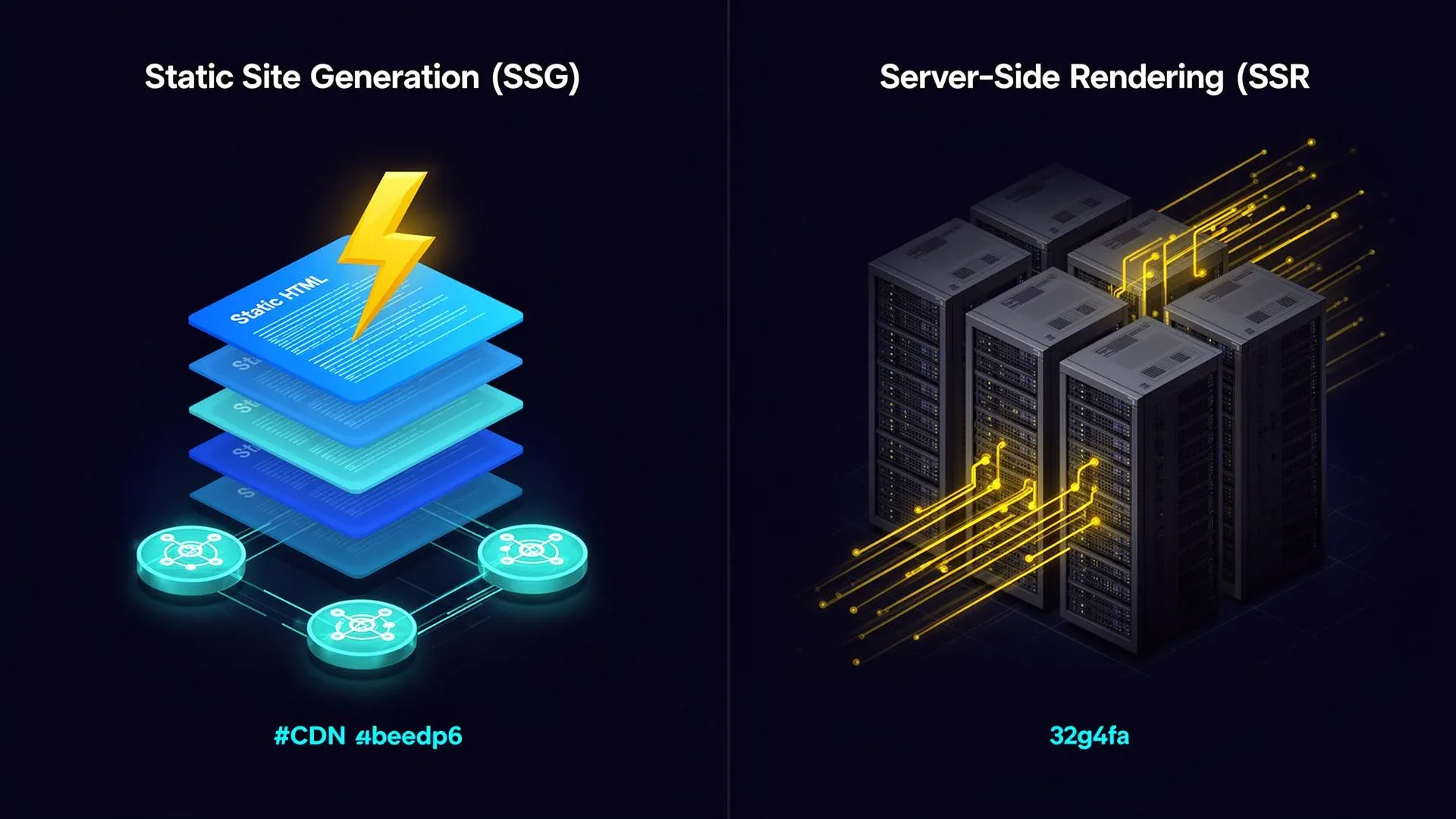
SSR or Pre-Rendering? What We Evaluated for Mykeythai vs. Our Default Approach
Lovable now ships real SSR via TanStack Start. We checked for Mykeythai whether to switch – and why our pre-rendering ap…
Read more
Lovable SEO/AEO: Every App Discoverable by Google and ChatGPT From Day 1
Lovable ships server-side rendering, pre-rendering for existing apps, Semrush directly in the builder chat, and an on-de…
Read more
The Vibe Coding Explosion: 138 Tools – and Why Only 7 Categories Matter
138+ vibe coding tools on the market – and more every week. We sort the chaos into 7 categories and analyze which ones w…
Read more