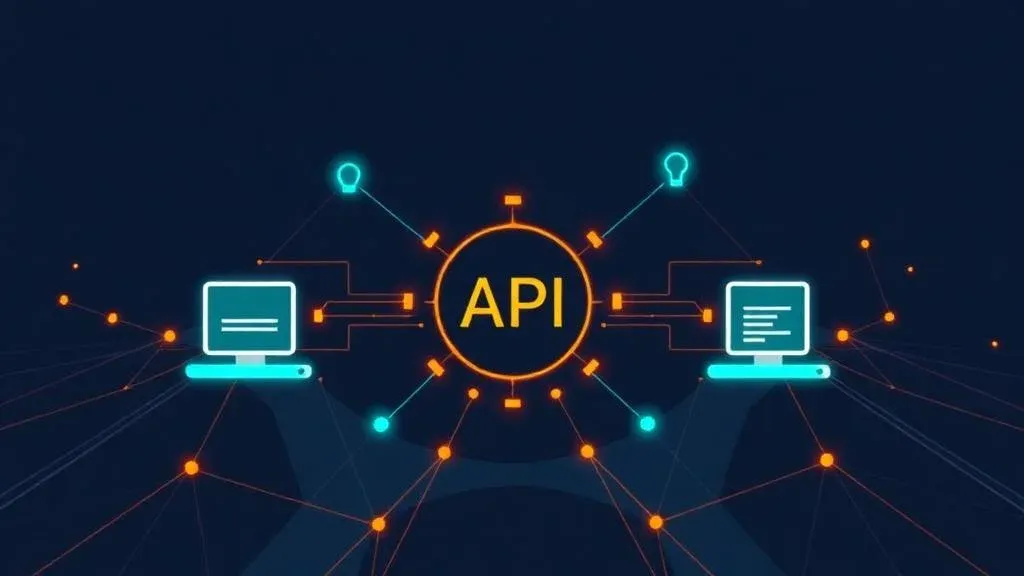
Web Scraping 2026: Classic vs. AI – And Why You Need Both


TL;DR: „Classic scraping is precise and fast, AI scraping is flexible and resilient. For most use cases, a hybrid approach is ideal – and that's exactly what we do."
— Till FreitagWeb Scraping Has Grown Up
For a long time, web scraping was the domain of developers writing Python scripts at night to compare prices or collect leads. That has fundamentally changed: in 2026, scraping is a strategic tool – for market analysis, competitive intelligence, content aggregation and data enrichment.
At Till Freitag, Philip Seeker is our expert in this field. He has delivered hundreds of scraping projects – from simple product data extractions to complex multi-site crawls with millions of data points. His experience shows: there is no single right approach. There is the right approach for your use case.
The Classic Approach: Selectors, Parsers, Precision
How It Works
Classic web scraping works with the structure of the website:
- HTTP request to the target URL
- Parse HTML (e.g. with BeautifulSoup, Cheerio, Puppeteer)
- Selectors (CSS, XPath) identify the desired elements
- Extract data, transform, store
GET https://shop.example.com/products

→ HTML Response
→ CSS Selector: ".product-card .price"
→ Result: ["€29.99", "€49.99", "€12.50"]
Strengths
- Speed: No LLM overhead, milliseconds per page
- Precision: Exactly the fields you defined
- Cost: No API costs per extraction
- Scale: Thousands of pages per minute possible
- Reproducible: Same input = same output
Weaknesses
- Fragile: If the HTML layout changes, the scraper breaks
- Maintenance: Selectors need regular updates
- JavaScript rendering: SPAs require headless browsers (Puppeteer, Playwright)
- Anti-bot measures: CAPTCHAs, rate limiting, IP blocking
- Development time: Each new source needs its own selectors
The AI Approach: LLMs as Intelligent Extractors
How It Works
AI-powered scraping uses Large Language Models to understand webpage content – regardless of HTML structure:
- Load page (including JavaScript rendering)
- Convert content to Markdown/text
- LLM analyses the content based on schema or prompt
- Return structured data (JSON)
Prompt: "Extract all product names and prices from this page"

→ LLM analyses the Markdown content
→ Result: [
    { "name": "Widget Pro", "price": "€29.99" },
    { "name": "Widget Ultra", "price": "€49.99" }
  ]
Strengths
- Resilient: Layout changes break nothing – the LLM understands the context
- Flexible: New data fields? Just adjust the prompt
- No selector knowledge needed: Natural language instead of CSS/XPath
- Unstructured data: Can process free text, PDFs, images
- Fast development: Minutes instead of hours for new sources
Weaknesses
- Cost: Each extraction costs API tokens
- Latency: LLM inference takes seconds, not milliseconds
- Hallucinations: LLMs can invent or misinterpret data
- Non-deterministic: Same input ≠ guaranteed same output
- Volume limits: At millions of pages it gets expensive and slow
The Big Comparison
| Criterion | Classic | AI-Powered |
|---|---|---|
| Speed | ✅ Very fast | ⚠️ Slower (LLM latency) |
| Cost per page | ✅ Minimal | ⚠️ Token costs |
| Precision | ✅ Exact | ⚠️ Context-dependent |
| Maintenance | ❌ High (selectors) | ✅ Low |
| Flexibility | ❌ Rigid | ✅ Very high |
| Scale | ✅ Thousands/minute | ⚠️ Hundreds/minute |
| Unstructured data | ❌ Difficult | ✅ Native |
| Determinism | ✅ Reproducible | ⚠️ Variable |
| Entry barrier | ⚠️ Technical | ✅ Low |
| Anti-bot handling | ⚠️ DIY | ✅ Often built-in |
When to Use Which Approach
Choose classic when …
- You're always scraping the same pages (monitoring, price comparison)
- Volume is critical (100k+ pages)
- You need exact, reproducible results
- The budget for API costs is limited
- The target pages rarely change structurally
Choose AI when …
- You need to tap many different sources
- Page structures change frequently
- You want to process unstructured content (articles, PDFs, free text)
- Fast prototypes matter more than perfection
- You need natural language queries ("Find all contact details on this page")
Go hybrid when …
- You want the best of both worlds
- Classic selectors for stable sources, AI as fallback
- AI for the initial analysis, classic for production
- Monitoring + alerting: AI detects structural changes before the classic scraper breaks
Tools We Use
| Tool | Type | Strength |
|---|---|---|
| Firecrawl | AI-First | Markdown conversion, LLM-ready output, anti-bot |
| Playwright | Classic | Headless browser, JavaScript rendering |
| make.com | Middleware | Orchestration, scheduling, error handling |
| Custom Scripts | Classic | Maximum control, specific requirements |
Firecrawl is our go-to for AI-powered scraping. The platform converts any webpage into clean Markdown – perfect as input for LLMs. With features like screenshot capture, structured JSON extraction and brand analysis, Firecrawl covers use cases that would take days with classic methods.
Philip's Practical Tips
From hundreds of scraping projects, Philip has learned some hard lessons:
1. Respect the Rules
- Read and follow robots.txt
- Build in rate limiting – no server likes 1,000 requests per second
- Check Terms of Service – not everything that's technically possible is allowed
- When in doubt: ask for an API – many providers have official endpoints
2. Plan for Failure
- Scrapers will break – the question is when, not if
- Set up monitoring: Alert immediately when data quality drops
- Retry logic with exponential backoff
- Fallback strategy: If selector X is missing, try Y
3. Think in Pipelines, Not Scripts
Source → Scraper → Validation → Transformation → Storage → AnalysisEach step isolated, each step testable. That's the difference between a hack and a solution.
4. Data Quality > Data Volume
"Better 1,000 clean records than 100,000 with 30% garbage. The cleanup costs you more than the scraping itself." — Philip Seeker
Conclusion: It's Not Either-Or
The question "AI or classic?" is the wrong question. The right question is: What do you need, and how often does it change?
- Stable sources, high volume → Classic
- Many sources, changing structures → AI
- Both → Hybrid (and that's usually the answer)
At Till Freitag, we run the hybrid approach: classic pipelines for day-to-day operations, AI-powered extraction for new sources and complex analyses. Philip makes sure both work together – clean, scalable and compliant.
Need data from the web – structured, reliable and automated? → Learn more about our Web Scraping service or talk to us directly – Philip and the team will analyse your use case and build the right scraping solution.
Related Articles

Lean CRM Teams: The 3-Step Framework for 80% Less Manual Work
'We have too many people in our CRM team, we work inefficiently, and we have nothing going on with AI.' That's the exact…
Read more
Make vs. Claude Code vs. OpenClaw – Picking the Right Orchestration Layer (2026)
Make.com, Claude Code, or OpenClaw? Three tools, three layers of the stack. Here's when to pick which orchestration tool…
Read more
monday Vibe Apps – Build Custom Mini-Applications Without Code (2026 Guide)
monday Vibe Apps let anyone build custom mini-applications using natural language prompts – no code, directly within mon…
Read more
What Is Agentic Engineering? The Next Step Beyond Vibe Coding
Agentic Engineering goes beyond Vibe Coding: AI agents plan, decide, and implement autonomously. What this means for tea…
Read more
AI in Project Management: Opportunities, Risks & Actionable Tips
How artificial intelligence makes your project management smarter – with concrete tips you can implement today.…
Read more
Account360 & Zero Update CRM: The Future of monday CRM (2026)
Account360 delivers the full customer view, Zero Update CRM eliminates manual data entry. How monday CRM is revolutioniz…
Read more
monday.com + OpenClaw: How monday.com Becomes the Brain of Your AI Agent
monday.com is more than a project management tool – it can serve as the long-term memory and execution log for an AI age…
Read more
OpenClaw in Production: How Our AI Agent Actually Runs
We've been running an OpenClaw agent in production for weeks – with Linear, PostHog, GitHub, and Google Search Console. …
Read more
HyperAgent Review 2026: The Agent Platform for Teams Ready to Scale AI
HyperAgent promises the complete platform for AGI-level agents – learnable skills, fleet management, A/B testing. How do…
Read more