
Agent-Swarm-Architekturen im Vergleich: Kimi K2.5 vs. Airtable HyperAgent vs. CrewAI

TL;DR: „Kimi K2.5 baut Schwärme ins Modell ein, Airtable orchestriert sie als Plattform, CrewAI gibt Entwicklern volle Kontrolle. Die meisten Teams brauchen mindestens zwei Ansätze."
— Till FreitagDas Zeitalter der Agent Swarms
Single-Agent-AI stößt an Grenzen. Komplexe Aufgaben – Wettbewerbsanalyse, mehrstufige Recherche, Codebase-Refactoring – brauchen Zerlegung, Parallelisierung und Koordination. Die Antwort: Agent Swarms.
Aber "Agent Swarm" bedeutet je nach Anbieter etwas völlig anderes. Im Q1 2026 haben sich drei grundlegend verschiedene Architekturen herausgebildet:
| Ansatz | Beispiel | Philosophie |
|---|---|---|
| Modell-nativ | Kimi K2.5 Agent Swarm | Das Modell ist der Orchestrator |
| Plattform | Airtable HyperAgent | Die Plattform orchestriert spezialisierte Agenten |
| Framework | CrewAI, LangGraph, AutoGen | Entwickler bauen eigene Orchestrierung |
Dieser Artikel vergleicht alle drei – architektonisch, praktisch und strategisch.
1. Kimi K2.5: Der modell-native Schwarm
Moonshot AIs Kimi K2.5 ist das erste große LLM, das Agent-Swarm-Fähigkeiten direkt ins Trainings-Objective integriert. Keine API-Schicht oben drauf – Schwarm-Verhalten ist eine First-Class-Fähigkeit.
Wie es funktioniert
- Task-Zerlegung: Das Modell analysiert eine komplexe Aufgabe und teilt sie in Teilaufgaben
- Agent-Spawning: Bis zu 100 Sub-Agenten werden erstellt, jeder mit einer spezifischen Rolle
- Parallele Ausführung: Sub-Agenten arbeiten gleichzeitig mit bis zu 1.500 Tool-Aufrufen
- Koordination: Ein Controller-Agent synthetisiert Ergebnisse und löst Konflikte
- Ergebnis: 4,5x schneller als Single-Agent-Ausführung bei komplexen Workflows
Stärken
- Zero Configuration: Schwarm-Verhalten entsteht durch Prompting – kein Framework nötig
- Geschwindigkeit: 4,5x Beschleunigung durch Parallelisierung
- Open Weights: Lokal betreibbar mit modifizierter MIT-Lizenz
- Multimodal: Sub-Agenten verarbeiten Text, Bilder und Video
Schwächen
- Black Box: Keine Kontrolle darüber, welche Agenten wie koordiniert werden
- Ressourcen-intensiv: 1T Parameter (32B aktiv) braucht ernsthafte Hardware
- Keine Persistenz: Schwarm-State existiert nur während der Inferenz
- Modell-gebunden: Funktioniert nur mit Kimi K2.5 – kein Mix-and-Match
Am besten für
Recherche-Aufgaben, Wettbewerbsanalyse, Bulk-Datenverarbeitung – wo Geschwindigkeit wichtiger ist als feingranulare Kontrolle.
2. Airtable HyperAgent: Plattform-Orchestrierung
Airtable verfolgt einen grundlegend anderen Ansatz: Die Plattform wird zum Orchestrator. HyperAgent zerlegt Aufgaben in spezialisierte Agenten und skaliert das auf Enterprise-Niveau.
Wie es funktioniert
- Nutzer beschreibt eine Business-Aufgabe (z.B. "Analysiere unsere Q1-Pipeline")
- HyperAgent zerlegt in spezialisierte Rollen: Data Analyst, Market Researcher, Report Writer
- Jeder Agent hat Zugriff auf Airtables Datenschicht – Tabellen, Views, verknüpfte Records
- Agenten erzeugen Artefakte: Charts, Präsentationen, Reports – nicht nur Text
- HyperAgent (nächste Stufe): verwaltet Agenten-Flotten mit Scheduling, Monitoring und Compliance
Stärken
- Business-first: Agenten verstehen strukturierte Daten und Business-Kontext
- Artefakt-Output: Produziert fertige Deliverables, nicht nur Text
- Daten-nativ: Tiefe Integration mit Airtables relationaler Datenbank
- Enterprise-ready: HyperAgent bietet Governance, Audit-Trails, Compliance
- Kein Code nötig: Business-Nutzer orchestrieren Agenten direkt
Schwächen
- Plattform-Lock-in: Funktioniert nur innerhalb von Airtables Ökosystem
- Begrenzte Anpassung: Keine eigenen Agenten-Verhaltensweisen oder Tools definierbar
- Closed Source: Keine Self-Hosting-Option
- Kosten: Enterprise-Pricing für HyperAgent
Am besten für
Business-Teams, die Recherche, Analyse und Reporting brauchen – besonders wenn sie Airtable bereits als Datenschicht nutzen.
→ Unser HyperAgent Deep Dive | → Airtable Tool-Seite
3. CrewAI: Das Entwickler-Framework
CrewAI ist das populärste Open-Source Multi-Agent-Framework – mit 60% der Fortune 500 als Kunden und 450 Millionen agentischen Workflows pro Monat. Es gibt Entwicklern volle Kontrolle über Agent-Design, Koordination und Ausführung.
Wie es funktioniert
- Agenten definieren mit Rollen, Zielen, Backstories und Tools
- Tasks definieren mit Beschreibungen, erwarteten Outputs und Abhängigkeiten
- Crew definieren (Team von Agenten) mit Prozesstyp (sequenziell, hierarchisch oder konsensual)
- Ausführen: CrewAI übernimmt Delegation, Memory und Inter-Agent-Kommunikation
- Beobachten: Built-in Tracing und Monitoring über CrewAI+
Stärken
- Volle Kontrolle: Jedes Agent-Verhalten und jede Interaktion definierbar
- Modell-agnostisch: Claude, GPT, Llama, Qwen – jedes LLM pro Agent wählbar
- Persistenter Memory: Agenten lernen über Ausführungen hinweg
- Enterprise-Features: Rollenbasierter Zugang, Audit-Logs, SSO
- Open Source: Apache 2.0 Kern-Framework
- Integrationen: 700+ Tools, MCP-Support
Schwächen
- Nur für Entwickler: Erfordert Python-Kenntnisse
- Komplexität: Mehr Agenten = mehr Koordinations-Overhead
- Latenz: Sequenzielle Prozesse können bei komplexen Workflows langsam sein
- Framework-Lock-in: CrewAI-Patterns portieren nicht zu LangGraph oder AutoGen
Am besten für
Engineering-Teams, die Custom Multi-Agent-Workflows mit spezifischen Anforderungen an Modellauswahl, Tool-Integration und Orchestrierungslogik bauen.
Der große Vergleich
| Dimension | Kimi K2.5 | Airtable HyperAgent | CrewAI |
|---|---|---|---|
| Typ | Modell-nativ | Plattform | Framework |
| Max. Agenten | 100 | ~5–10 pro Task | Unbegrenzt |
| Parallelismus | Nativ (4,5x Speedup) | Plattform-gesteuert | Manuell (async Tasks) |
| Modellwahl | Nur Kimi | Proprietär | Jedes LLM |
| Tools | 1.500 Calls/Schwarm | Airtable + Web | 700+ Integrationen |
| Memory | Nur Inferenz | Airtable DB | Persistent eingebaut |
| Output | Text/Daten | Deliverables (Decks, Reports) | Custom |
| Nutzer | Entwickler / API | Business-User | Entwickler |
| Lizenz | Modifizierte MIT | Proprietäres SaaS | Apache 2.0 |
| Self-Hosting | ✅ (Open Weights) | ❌ | ✅ |
| Setup-Zeit | Minuten (API-Call) | Minuten (No-Code) | Stunden–Tage |
| Kosten | Nur Compute | 45–110€/Seat/Mo. | Kostenlos (Core) + Compute |
Wann was einsetzen?
Kimi K2.5 Agent Swarm wählen, wenn…
- Rohgeschwindigkeit bei parallelisierbaren Aufgaben gefragt ist
- Kein Orchestrierungs-Overhead gewünscht – prompten und fertig
- Ein Black-Box-Ansatz akzeptabel ist
- Ein 1T-Parameter-Modell betrieben werden kann (Cloud-API oder lokale Hardware)
Airtable HyperAgent wählen, wenn…
- Fertige Business-Deliverables benötigt werden (nicht nur Text)
- Mit strukturierten Daten in Airtable gearbeitet wird
- Nicht-technische Nutzer Agenten orchestrieren sollen
- Enterprise-Governance und Audit-Trails erforderlich sind
CrewAI wählen, wenn…
- Volle Kontrolle über Agent-Verhalten und Koordination nötig ist
- Modelle gemischt werden sollen (Claude für Reasoning, GPT für Kreativität, Llama für Kosten)
- Custom Workflows mit spezifischen Tool-Integrationen gebaut werden
- Persistenter Memory über Agenten-Ausführungen hinweg gebraucht wird
Die neue Meta-Architektur
Die fortschrittlichsten Teams 2026 wählen nicht einen Ansatz – sie schichten sie:
Schicht 3: Plattform (Airtable)    → Business-facing Agent-Teams
Schicht 2: Framework (CrewAI)      → Custom Orchestrierungs-Logik
Schicht 1: Modell (Kimi K2.5)      → Rohe parallele Rechenleistung
Beispiel-Workflow:
- Ein CrewAI-Orchestrator steuert eine Research-Pipeline
- Ein Agent nutzt Kimi K2.5s Schwarm für parallele Datensammlung (100 Quellen gleichzeitig)
- Ein anderer Agent schiebt strukturierte Ergebnisse in Airtable
- Airtables HyperAgent erstellt die finale Präsentation für Stakeholder
Dieser geschichtete Ansatz liefert Geschwindigkeit (Kimi), Kontrolle (CrewAI) und Business-Nutzbarkeit (Airtable) – ohne Lock-in in ein einzelnes Paradigma.
Was kommt: Q2–Q3 2026
| Entwicklung | Impact |
|---|---|
| OpenAI Symphony | OpenAIs Multi-Agent-Framework – dürfte CrewAI herausfordern |
| Airtable HyperAgent GA | Enterprise-grade Agent-Flottenmanagement |
| Kimi K3 | Gerüchte über 2T Parameter und 200+ Agent-Schwarm |
| LangGraph Cloud | Managed Multi-Agent-Infrastruktur |
| CrewAI Flows 2.0 | Visueller Orchestrierungs-Builder für Non-Devs |
Der Agent-Swarm-Bereich entwickelt sich schneller als jeder andere KI-Bereich. Die Gewinner werden nicht die Teams sein, die das "beste" Tool wählen – sondern die mit einer Architektur, die flexibel genug ist, alle zu nutzen.
Unsere Einschätzung
Bei Till Freitag arbeiten wir mit allen drei Ansätzen:
- Kimi K2.5 für Bulk-Recherche und Datensammlung
- Airtable HyperAgent für kundenorientierte Agent-Teams (wir sind in der Closed Beta)
- CrewAI für Custom Agent-Pipelines in unserer Agentic Engineering-Praxis
Die Frage ist nicht "welche Agent-Swarm-Architektur?" – sondern "welche Architektur für welche Schicht deines Stacks?"
→ Kimi K2.5: Das Modell hinter Cursors Composer 2 → HyperAgent Review: Airtables nächste Evolution → Unsere Agentic Engineering Services → Open Source LLMs im Vergleich
Verwandte Artikel
Airtable Superagent: Das erste Multi-Agent-System, das fertige Arbeit liefert
Airtable launcht Superagent – ein Multi-Agent-System, das spezialisierte KI-Agenten parallel orchestriert und fertige Re…
Weiterlesen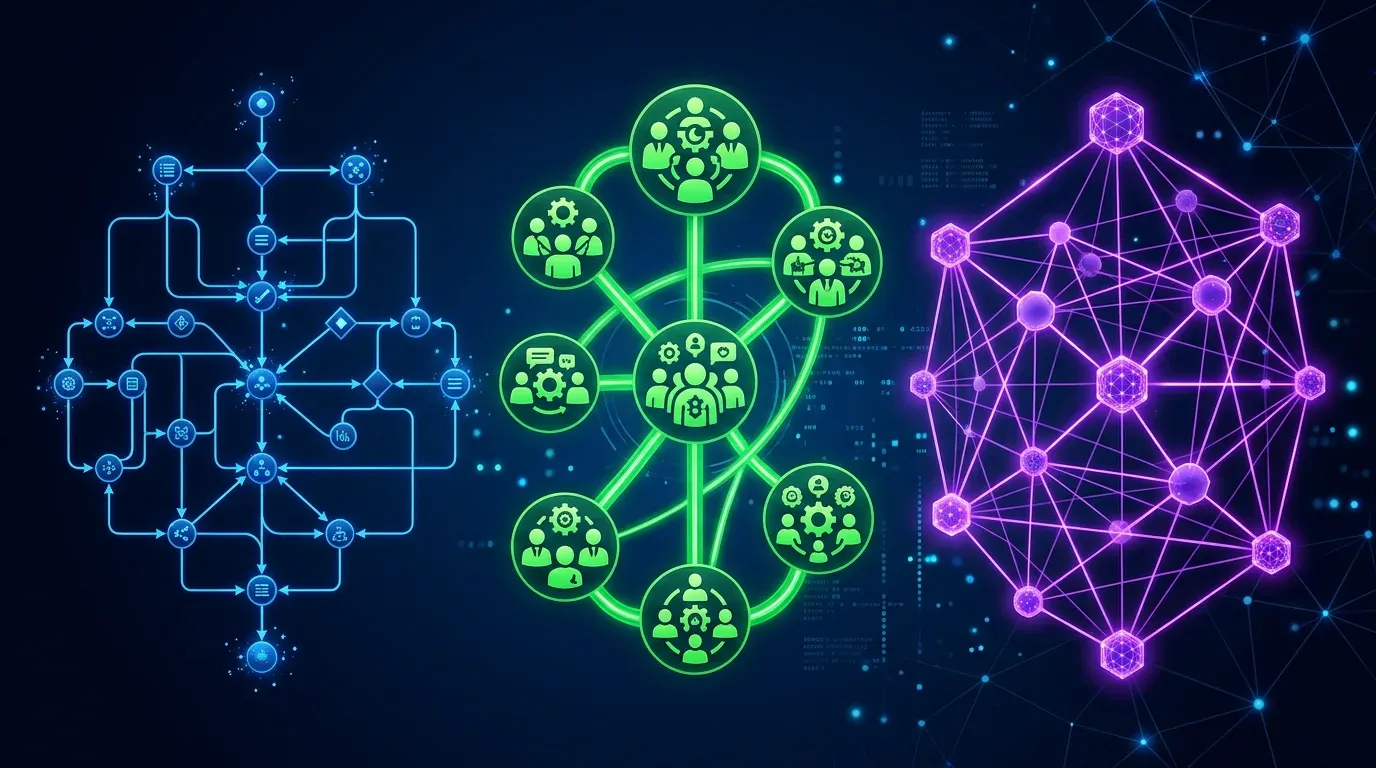
LangGraph vs. CrewAI vs. AutoGen: Welches Multi-Agent-Framework 2026?
Drei Frameworks, drei Philosophien: LangGraph gibt dir State Machines, CrewAI gibt dir Teams, AutoGen gibt dir Konversat…
Weiterlesen
Claude Managed Agents vs. LangGraph vs. CrewAI: Agent-Runtimes für Production im Vergleich
Drei Wege, Production Agents zu deployen: Anthropics gehostete Runtime, LangGraphs Graph-Orchestrierung oder CrewAIs Rol…
Weiterlesen
Multi-Agent-Layer 2026: AG2, LangGraph, SuperAGI & AWS Strands im Vergleich
Wenn ein Agent nicht reicht: AG2, LangGraph, SuperAGI und AWS Strands im Praxisvergleich. Welcher Multi-Agent-Stack pass…
Weiterlesen
HyperAgent Field Notes #3: Von der einzelnen Rolle zur Fleet
Aus einer produktiven Rolle werden drei. Und plötzlich ist die spannende Frage nicht mehr „funktioniert die Rolle?", son…
Weiterlesen
Antigravity in der Praxis: Multi-Agent-Pipelines für Mid-Market-Kunden
Antigravity macht Multi-Agent-Pipelines aus dem Lab-Spielzeug zum produktiven Werkzeug. Ein Hands-on Architektur-Walkthr…
Weiterlesen Deep Dive
HyperAgent Competitors 2026: Wer spielt in derselben Liga – und warum Globster verdächtig ähnlich aussieht
HyperAgent ist nicht alleine. Globster sieht im Interface verdächtig ähnlich aus, Manus geht den autonomen Solo-Weg, Lin…
Weiterlesen
HyperAgent Field Notes #2: Vom Skill zur deploybaren Rolle
Aus dem Watchlist-Skill aus Field Notes #1 wird jetzt eine echte Rolle: mit Slack-Trigger, Budget-Limit und Berechtigung…
Weiterlesen
HyperAgent Field Notes #1: Setup, erster Skill und die Lektion aus Tag 1
Wir sind Closed-Beta-Partner bei HyperAgent. Erste Notiz aus der Praxis: was in den ersten 60 Minuten passiert, welcher …
Weiterlesen