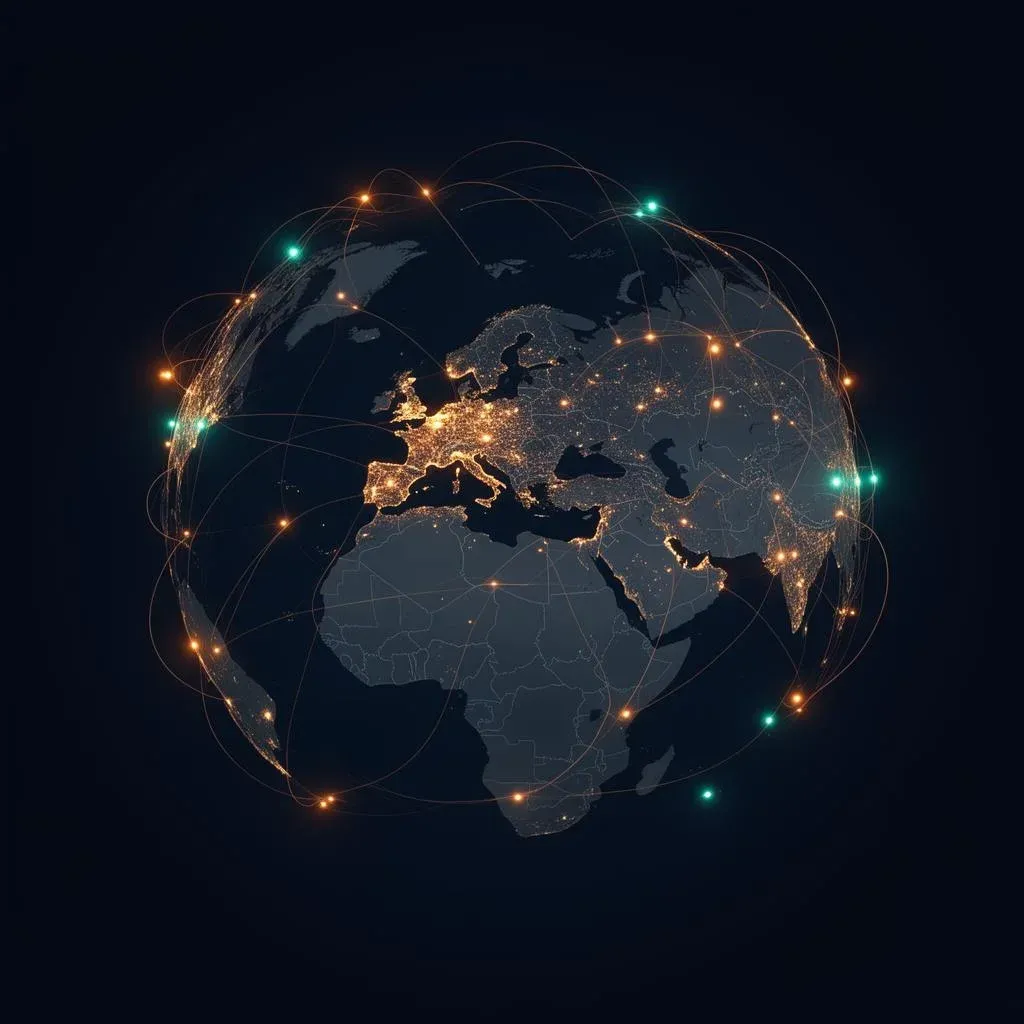
Remote Leadership: How We Lead Distributed Teams at Till Freitag
TL;DR: „Remote doesn't work despite distance – it works because of the systems you build. Trust isn't a soft skill, it's infrastructure."
— Till FreitagWe Don't Have an Office. And That's by Design.
Our team works from Germany 🇩🇪, Spain 🇪🇸, Serbia 🇷🇸, Turkey 🇹🇷, Ukraine 🇺🇦, Portugal 🇵🇹, and South Africa 🇿🇦. We have no headquarters, no fixed office hours, and no open-plan office with a foosball table.
What we do have: A system that works.
And no – this isn't a LinkedIn post about "work from the beach." Remote leadership is hard work. But when you get it right, you gain something no office in the world can offer: The best people, regardless of zip code.
Why Remote Isn't a Compromise for Us
Most companies think about what they give up with remote: spontaneous conversations, whiteboard sessions, the quick question across the desk.
We think about what we gain:
- Talent pool without borders. Our best people would never have been found if we'd been limited to a 30km radius around an office.
- Deep work as the default. No open-office noise, no "got a minute?" interruptions. Our people work focused.
- Results over attendance. Nobody evaluates who's at their desk at 8 AM. What counts is output.
The Three Pillars of Our Remote Culture
1. Async First – But Not Async Only
The most important rule: Not everything needs a meeting.
We use monday.com as our central operating system. Every project, every task, every status – everything is transparent and asynchronously traceable. When you open your laptop in the morning, you immediately see where everything stands.
But async has limits. When something gets complex, a misunderstanding looms, or someone simply needs to talk – we jump on a quick call. No agenda, no overhead. 15 minutes, camera on, problem solved.
The rule: Async for information. Sync for decisions and relationships.
2. Trust as Infrastructure
Micromanagement doesn't work remotely. Honestly, it doesn't work in the office either – but remote exposes it immediately.
Our approach:
- We hire seniors. At least 4–5 years of experience. People who can work autonomously without someone looking over their shoulder.
- We define outcomes, not paths. Everyone knows the goal. How they get there is their business.
- We measure output, not online hours. No tracking tools, no screenshots, no "green dot in Slack" cult.
This sounds simple. It's not. Building trust without seeing each other daily requires intention. More on that in a moment.
3. Rituals That Connect
Remote teams need intentional touchpoints. Not for control, but as glue.
Our rituals:
- Weekly Sync – 30 minutes, the whole team. What's running, what's stuck, what's coming. No status reports, but real conversations.
- 1:1s – Regular, not just when things are on fire. We talk about projects, but also about the person behind them.
- Slack as living room – We have channels that have nothing to do with work. Music, food, random stuff. That's not luxury, that's culture.
The Toolset: Less Is More
We deliberately chose a lean stack:
| Tool | Purpose |
|---|---|
| monday.com | Project hub – everything is planned, tracked, documented here |
| Slack | Fast communication, async and sync |
| Claude | AI as productivity multiplier for everyone on the team |
| Lovable | Prototyping and development – from concept to product |
| Quick calls | Google Meet / Slack Huddles – spontaneous, short, camera on |
No Jira. No Confluence. No Notion. No Asana. We don't set the pace through tool variety, but through clarity.
People First, Skills Second – Even Remote
Our hiring principle: We always look at the human side and the skills – in that order.
This sounds like a contradiction in a remote context. How do you gauge "human fit" over Zoom?
Our approach:
- Two get-to-know conversations with different team members. Not just with the hiring manager, but with people who'll work together daily.
- Real conversations, not interrogations. We ask questions that reveal how someone thinks – not what someone knows.
- Trial work on equal terms. A small project, fairly paid, where both sides test if it's a fit.
Why Senior Only – Especially Remote
We don't put juniors on client projects. That's not arrogance, it's responsibility.
Remote work requires a level of autonomy that you have to earn first. We believe you need to find your footing in an office setting before making the remote leap. That means:
- At least 4–5 years of professional experience – preferably more.
- Experience in independent work – not just in pair-programming mode.
- Strong communication skills – remote workers need to communicate proactively.
This isn't a filter against talent. It's a filter for the right timing.
The Downsides – And How We Handle Them
Remote isn't perfect. Here are the real challenges:
Loneliness
Remote can be lonely. We counter this with intentional social moments and a culture where it's okay to say: "I need someone to talk to right now."
Time Zones
With people in South Africa and Portugal, we have moderate time differences. It works because we work async. Nobody has to sit in a call at 10 PM.
Onboarding
Onboarding new people remotely is harder than in an office. That's why we deliberately invest more time in the first weeks: buddy system, daily check-ins, thorough documentation in monday.com.
Setting Boundaries
When your office is your living room, boundaries blur. We actively encourage clear working hours and respect them too.
What Other Companies Get Wrong
The most common mistakes we see at "remote" companies:
- Remote with micromanagement. Tracking tools, mandatory online hours, constant status updates. That's not remote – that's an office with worse coffee.
- Preaching async, expecting real-time. If you expect Slack messages answered in 5 minutes, you're not async.
- Leaving culture to chance. In an office, culture happens at the coffee machine. Remote, it only happens if you actively build it.
- All the tools in the world, no system. 15 tools don't help if nobody knows where anything lives.
Conclusion: Remote Is an Operating System, Not a Perk
Remote work isn't a benefit you put on your careers page. It's a fundamental decision about how you organize your company.
At Till Freitag, we made that choice deliberately – and deliberately built the systems that make it work:
- Clear structures over constant alignment
- Radical trust over control
- Async as default with sync as a tool
- Humanity as hiring criterion #1
The result: A team across 7 countries that delivers as if sitting in the same room – just without the noise.
Related Articles
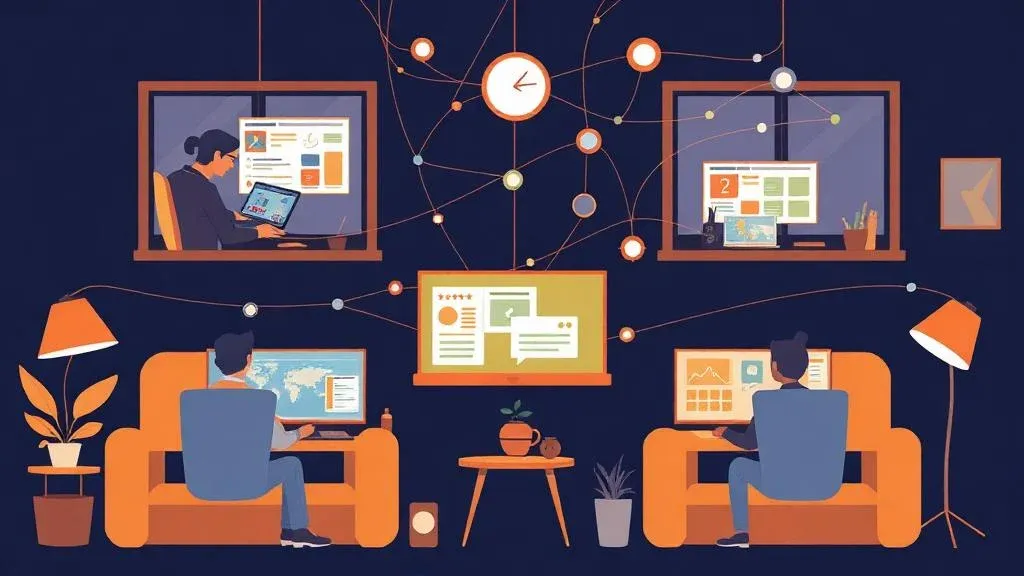
Remote Teamwork with monday.com – How Distributed Teams Stay Productive (2026)
Remote work needs the right tools and processes. Here's how to set up monday.com for distributed teams – with AI assista…
Read more
Growth at Till Freitag: How We Build Learning Into the System
Professional development doesn't happen once a year at a conference. Here's how we make growth part of the operating sys…
Read more
Revenue Royale Gala 2026 – Recap: 11/10 for the Organizers, Three Events in One Night
Recap of the Revenue Royale Gala Dinner in Berlin: champagne reception in the sun, awards ceremony in the foyer, network…
Read more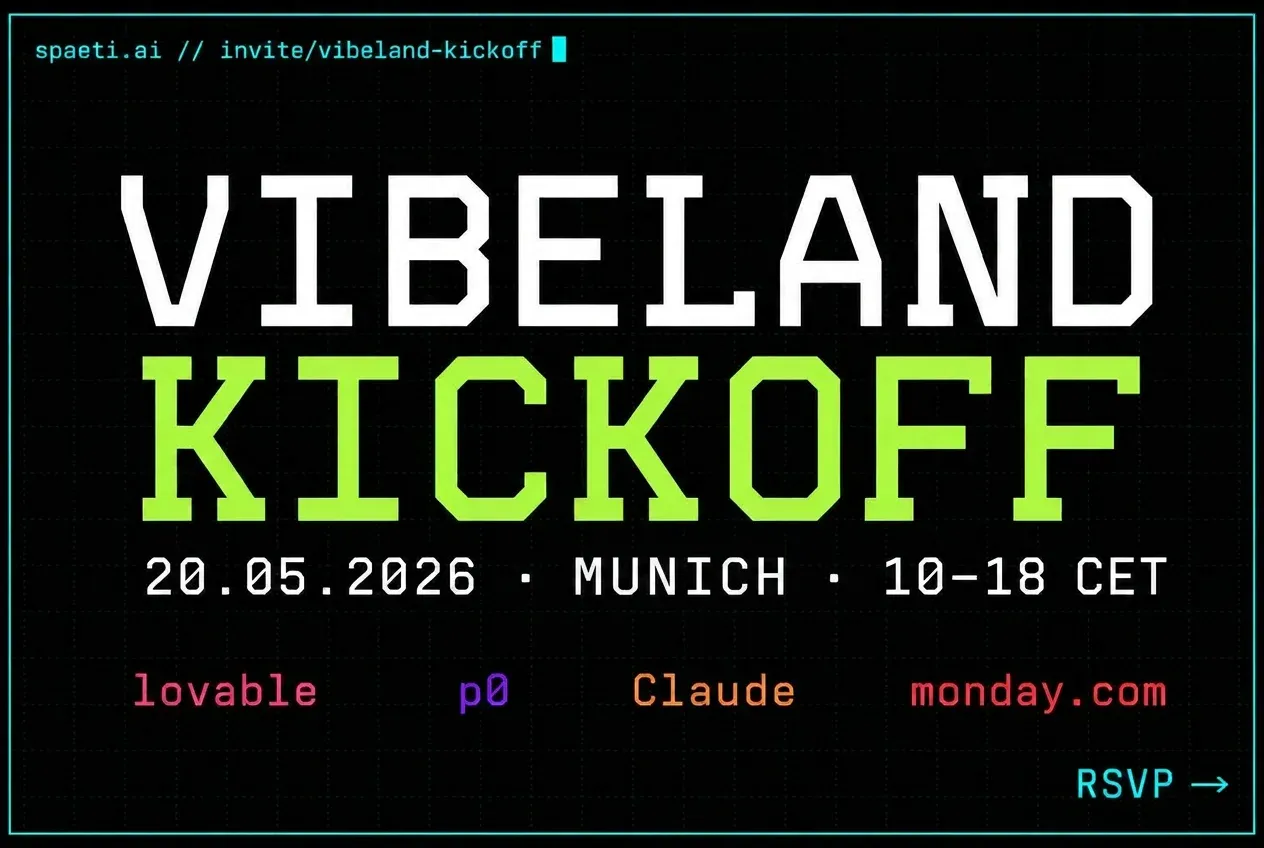
Vibeland Kickoff Munich – Recap: 50 People, 7 Teams, 7 Products
Recap of the Vibeland Kickoff in Munich: 50 guests, 7 teams, 7 products in a single day – from a web scraper to the Bla-…
Read moreVibeland Kickoff Munich: Why We're Putting Our Own Builder Event on a Rooftop
On May 20, we're building apps live on the WERK3 rooftop terrace in Munich's Werksviertel – with Lovable, p0, Claude and…
Read more
Radical Autonomy: Why We Bet on Remote, Small Teams, and Radical Freedom
No open offices, no approval chains, no middle management. How we built a company with remote work, decentralization, an…
Read more
monday.com as Company OS: How We Run Projects, CRM, and Processes on One Platform
No Jira, no Notion, no Asana. How we use monday.com as our single operating system to manage projects, sales, onboarding…
Read more
Odoo vs. monday.com – ERP Suite or Work OS? (Honest 2026 Comparison)
Odoo or monday.com? We compare both platforms honestly – ERP suite vs. Work OS, data model, pricing, AI, and which syste…
Read more
Revenue Royale Recap: How monday CRM's 5 New AI Capabilities Map the Future GTM Stack
Recap of the workshop by Alena Zidek (monday.com) and Malte Lensch (Till Freitag) in the Social Hub of Revenue Royale 20…
Read more