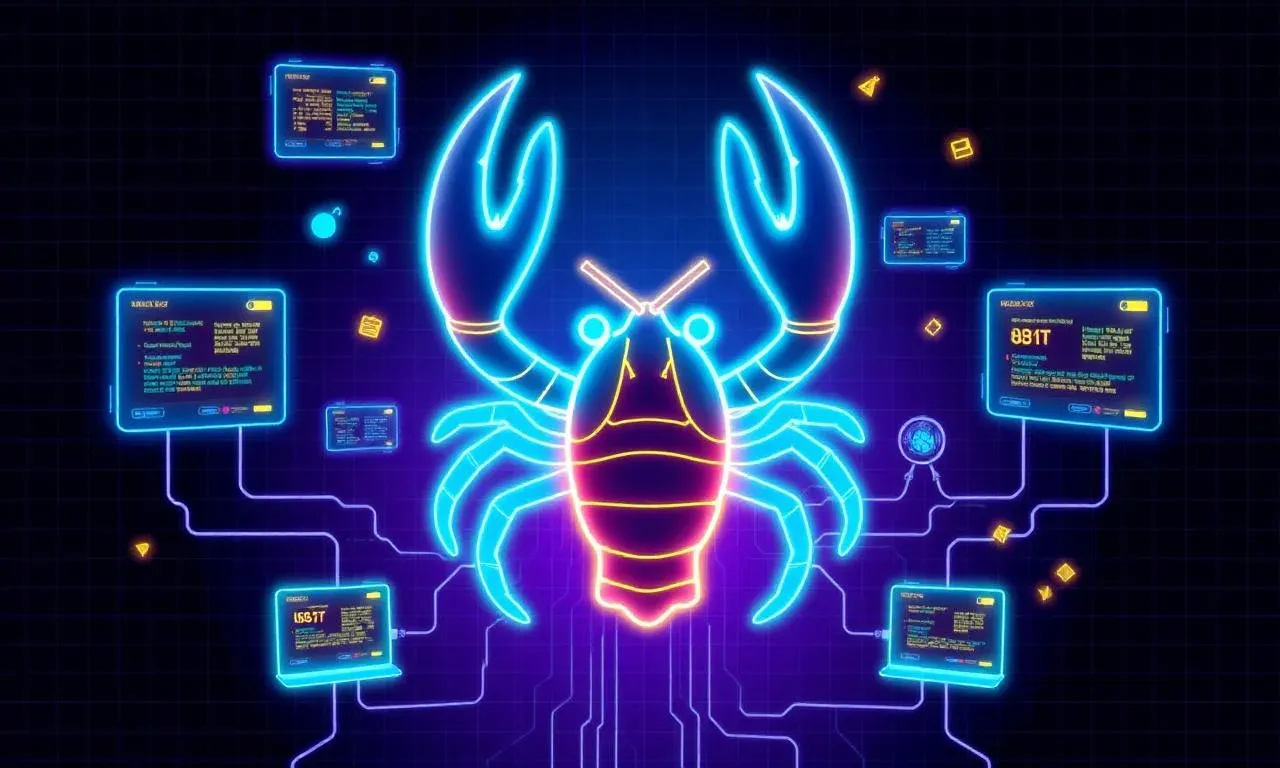
Why 🦞 Became the Secret Handshake of the Agentic AI Movement

TL;DR: „The lobster isn't randomly everywhere. It's the secret handshake of the agentic AI scene – an insider marker, half serious, half ironic."
— Till FreitagIf You've Been Spotting Lobsters Lately – That Wasn't a Coincidence
Look at the X bios of people seriously shipping with Claude Code, Cursor agents, Codex, Manus, or DeerFlow. Somewhere between "building" and "ex-FAANG", there it sits: 🦞. Sometimes alone, sometimes paired, sometimes next to ⚡ or ⛓️.
It's not random. It's a tribal marker.
How the Lobster Crawled Into the Scene
The trail leads – as so often in 2025/26 AI subculture – back to Anthropic. More precisely: to the mix of internal jokes, model behavior, and community memes that formed around Claude.
Three threads are documentable:
- Claude and the "what animal would you be" genre. Models got asked early which animal they identify with. In several viral threads, Claude landed on the lobster – not the octopus (too Lovecraft-coded), not the dolphin (too ChatGPT). Lobster: ancient, armored, walks along the bottom, has two specialized tools.
- Lobster-as-agent metaphor. Lobsters have two different claws – one for grabbing, one for crushing. Classic tool-use metaphor. Exactly what an agent does: pick the right tool for the right subtask.
- The anti-🚀 effect. The "agents are gonna change everything 🚀🔥" crowd became a cliché. People actually shipping with agents needed a counter-emoji. Something dry, specific, slightly absurd. Something you don't immediately get unless you're inside.
The lobster delivered on all three.
Why a Crustacean, Specifically
Semiotically, the emoji is almost perfect for the agentic scene:
- It's not obvious. Nobody instinctively connects 🦞 with AI. That's exactly why it works as an in-group marker. If you get it, you're in.
- It carries a tool narrative. Two claws, two functions. Tool calling, parallel execution, specialized sub-agents – it's all in there.
- It's old. Lobsters have existed for ~480 million years. In a scene that births a new framework daily, that's a deliberately anti-fragile symbol.
- It memes well. Lobsters are visually strong, easy to draw, work in pixel art and profile pictures alike.
- No lab owns it. OpenAI has no lobster branding. Anthropic doesn't officially either. That makes it a real community symbol instead of a marketing asset.
Where You're Spotting Lobsters Right Now
- X/Twitter bios of agent engineers and researchers
- GitHub repo names using "lobster" as a codename for multi-agent setups
- Discord server icons in the serious AI builder communities
- Commit messages and PR titles as a low-key marker ("🦞 added tool router")
- Conference stickers on laptops at events like AI Engineer Summit
What This Says About the Scene
Memes are never just memes. The symbol a community picks says something about how it sees itself.
The rocket crowd sells hype. The brain-emoji crowd sells intelligence. The robot-emoji crowd sells automation.
The 🦞 crowd sells: specialized tools, patient work along the bottom, pragmatism over spectacle. At its core it's a craftsperson's self-description. Agents as tools, not magic. Tool calling as core skill, not side effect.
That maps surprisingly cleanly onto what agentic engineering in practice actually is: less AGI spectacle, more "right claw for the right job".
Should I Add a Lobster to My Bio Now?
Only if you actually ship agents. Otherwise it's like wearing a band tee without knowing the song – insiders clock it instantly.
If you're not there yet: build an agent that does something useful first. Then you've earned the lobster.
Related Articles
Ponytail: The Best Code Is the Code You Never Wrote
A dev built Ponytail because his AI agents wrote 500 lines for a 5-line problem. The result: 80-94% less code, 47-77% ch…
Read more
Claude Code Hidden Features – 15 Power Tips from Boris Cherny (Anthropic)
Boris Cherny from Anthropic shared 15 hidden Claude Code features that transform the tool from a chat interface into a D…
Read more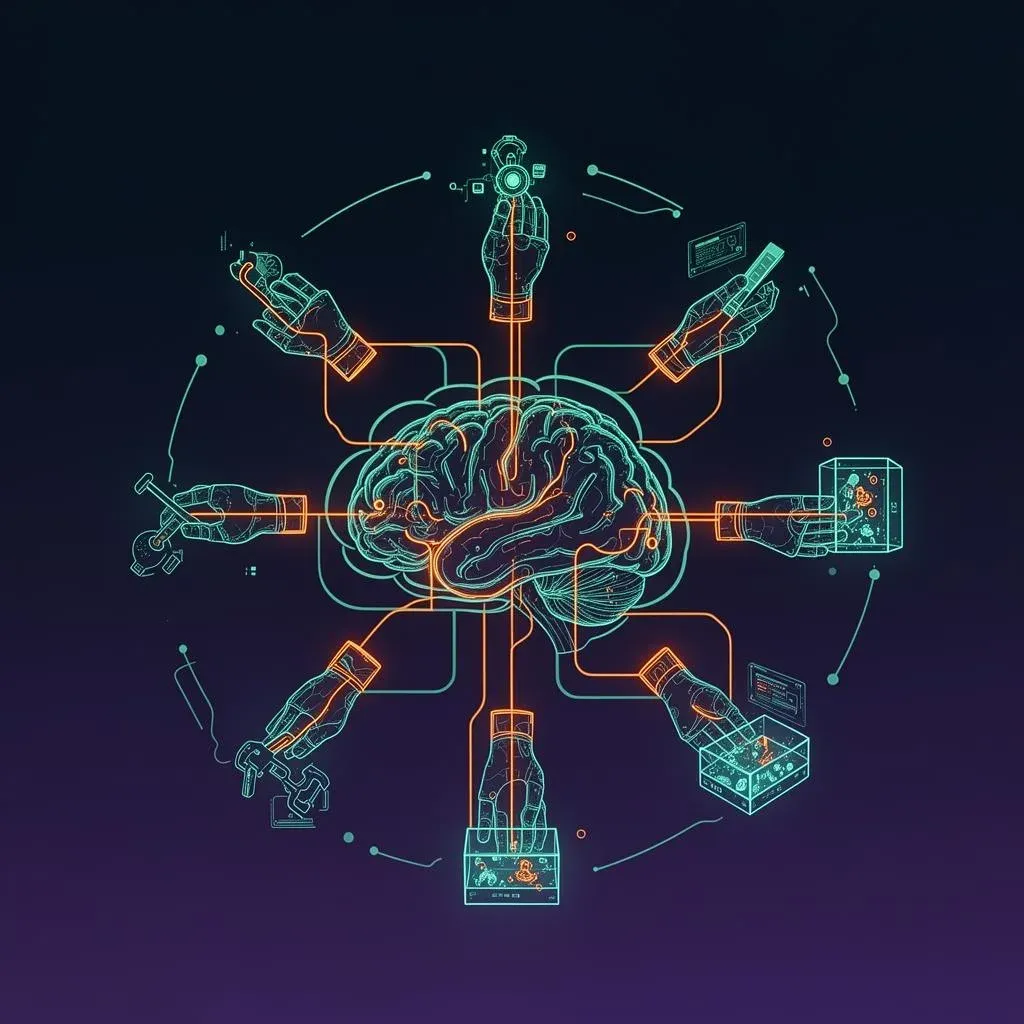
Claude Managed Agents: Anthropic's Play to Own the Agent Runtime
Anthropic launches Managed Agents in public beta – a hosted runtime that decouples the 'brain' from the 'hands.' No more…
Read more Deep Dive
Claude Sonnet 5: Agentic AI Goes Mainstream
Anthropic ships Claude Sonnet 5 – a Sonnet model that gets close to Opus 4.8 performance at a fraction of the price. Aug…
Read more
Claude Fable 5 & Mythos 5: When AI Shifts from Tasks to Responsibilities
Anthropic launches Claude Fable 5 and Mythos 5 – SOTA on almost all benchmarks. More interesting than the numbers: The s…
Read more
Lovable Skills: Repetition Turns Into Reusable Playbooks
Lovable just rolled out Skills – Anthropic's format for reusable agent instructions. What Skills are, how they differ fr…
Read more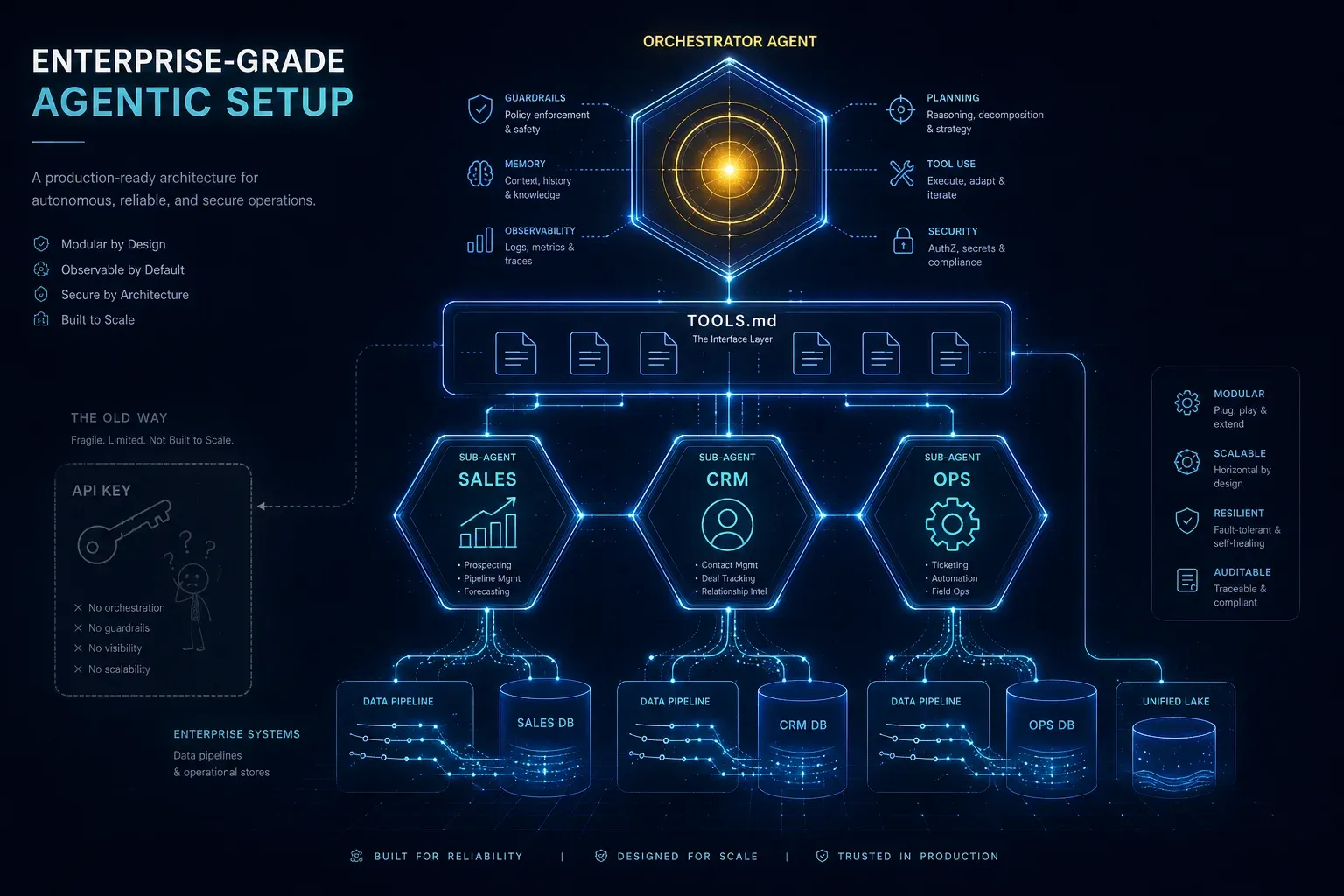
Enterprise-Grade Agentic Setup: Why an API Key Is Not an AI Strategy
An API key on your website is child's play. An agentic setup with specialised sub-agents, TOOLS.md, clean system prompts…
Read more
Claude Design Is Here: How Anthropic Labs Wiped $30B Off Figma, Adobe and Wix in a Single Day
On April 17, 2026, Anthropic launched Claude Design – the first Anthropic Labs product for visual work. Powered by Opus …
Read more
Claude Opus 4.7 Is Here: What Premium Teams Need to Know About the Tokenizer, xhigh, and Spend Controls
Anthropic just released Claude Opus 4.7. Same price as 4.6, but noticeably better at coding, agents, and visual output. …
Read more