monday.com vs. Trello: Why Trello Only Works for Simple Projects

TL;DR: „Trello is brilliantly simple – but beyond a certain complexity, that very simplicity becomes a limitation."
— Till FreitagTrello: The Starting Point That Becomes a Problem
Trello is one of the most well-known project management tools in the world. The concept is brilliantly simple: Boards, lists, cards. Drag & drop. Done. Anyone can understand how it works in 5 minutes.
That's exactly Trello's greatest strength – and simultaneously its greatest weakness. Because at its core, Trello is a digital Kanban board. Nothing more, nothing less. And as soon as projects get more complex, teams grow, or cross-departmental processes need to be mapped, simplicity becomes a limitation.
The Companies at a Glance
| Metric | monday.com | Trello (Atlassian) |
|---|---|---|
| Founded | 2012 | 2011 (Atlassian: 2002) |
| Headquarters | Tel Aviv, Israel | Sydney, Australia (Atlassian) |
| Employees | ~2,200 | ~12,000 (Atlassian total) |
| Revenue (2025) | ~$1.2B | ~$4.6B (Atlassian total) |
| Customers | 225,000+ | 300,000+ (Atlassian) |
| Developers (est.) | ~800 | ~5,000 (Atlassian) |
| Stock / Status | NASDAQ (MNDY) | NASDAQ (TEAM) |
| Valuation | ~$15B | ~$43B (Atlassian) |
| Last Funding | IPO 2021 ($574M) | IPO 2015 (Atlassian) |
| Market Share (est.) | ~15% | ~12% (PM tools) |
Trello belongs to Atlassian – a corporation with ~12,000 employees. Yet within Atlassian's portfolio, Trello is increasingly being cannibalized by Jira.
The Comparison at a Glance
| Criterion | monday.com | Trello |
|---|---|---|
| Views | ⭐⭐⭐⭐⭐ – Kanban, Timeline, Gantt, Calendar, Workload, Chart | ⭐⭐⭐ – Kanban, Calendar, Timeline (Premium only) |
| Automations | ⭐⭐⭐⭐⭐ – 200+ No-Code Recipes | ⭐⭐⭐ – Butler (limited) |
| Dependencies | ✅ Native with visual display | ❌ Not available |
| Dashboards | ⭐⭐⭐⭐⭐ – Multi-board, 30+ widgets | ❌ Not available |
| Product Ecosystem | ✅ CRM, dev, service native | ❌ Only project boards |
| Integrations | 200+ native + Make/Zapier | 200+ Power-Ups + Zapier |
| Scalability | ⭐⭐⭐⭐⭐ – Up to 500+ users | ⭐⭐⭐ – Problematic beyond ~20 users |
| AI Features | ⭐⭐⭐⭐⭐ – Sidekick, Agents, Vibe Coding | ⭐⭐ – Atlassian Intelligence (basic) |
| Reporting | ⭐⭐⭐⭐⭐ – Comprehensive dashboards | ⭐⭐ – Only via Power-Ups |
| Value for Money | ⭐⭐⭐⭐⭐ – Everything included | ⭐⭐⭐ – Many features only with Power-Ups |
5 Reasons Trello Hits Its Limits
1. Kanban Is Not Enough
Trello thinks in cards and lists – perfect for simple workflows: To Do → Doing → Done. But what if you need a project timeline? Or a Gantt view with dependencies? Or a workload overview across your entire team?
In Trello, you need Power-Ups (often paid) or external tools for this. In monday.com, all views are natively integrated – you switch between Kanban, Timeline, Gantt, Calendar, and Chart view with one click. Same data, different perspectives.
2. Automations: Butler vs. monday Recipes
Trello has Butler as an automation component. It works for simple rules: "When card moved → assign member." But the possibilities are limited:
- No cross-board automations
- No integration automations (e.g., trigger Slack, Gmail directly)
- No AI-driven decisions
- Limited number of runs per month
monday.com offers 200+ combinations of triggers and actions – including cross-board automations, integration recipes, and AI workflows. The difference is especially visible in processes spanning multiple teams.
3. No Real Dashboards
This is one of the most critical points. In Trello, there is no dashboard. You can view individual boards, but there's no way to aggregate data from multiple boards in a single overview.
For a team lead managing 5 projects simultaneously, this means: clicking through 5 boards every day, manually compiling status, transferring to a spreadsheet. That's no longer acceptable in 2026.
monday.com dashboards aggregate data from any number of boards – with 30+ widget types for budget, timeline, progress, workload, and more.
4. Power-Up Dependency
Trello's extension model is based on Power-Ups – small add-ons for features like time tracking, Gantt views, or reporting. The problem:
- Free plan: Only 1 Power-Up per board
- Standard: Unlimited Power-Ups, but each has its own UI and logic
- Quality varies: Some Power-Ups are poorly maintained
- Data silos: Each Power-Up stores data separately
In monday.com, these features are natively integrated. Time tracking, Gantt, reporting, forms – all from one source, with consistent UI and a shared data foundation.
5. Scaling: Where Trello Breaks Down
Trello works great for small teams with manageable projects. But beyond a certain size, structural problems emerge:
- Card overload: Boards with 100+ cards become overwhelming
- No hierarchy: No sub-tasks (only checklists), no nested boards
- Lack of governance: No audit log, limited permissions in Free/Standard plans
- Performance: Large boards load slower
monday.com is built for enterprise scale: Workspaces for departments, sub-items for task hierarchies, granular permissions, and audit logs.
Where Trello Wins
To be fair – Trello has real strengths:
- Instant comprehension: Nobody needs training for Trello. The Kanban concept is universal.
- Free entry: The free plan is generous for small teams and personal projects.
- Speed: For quick task lists, Trello is unbeatable.
- Atlassian ecosystem: If you already use Jira, Confluence, and Bitbucket, you benefit from the integration.
The Catch
These strengths are entry-level advantages. They help at the start, but not with growth. And that's exactly Trello's dilemma: it's so simple that teams adopt it quickly – and then realize they can't leave, even though it no longer meets their needs.
Price Comparison
| Plan | monday.com | Trello |
|---|---|---|
| Free | Up to 2 users | Up to 10 boards |
| Basic/Standard | from €9/user/month | from $5/user/month |
| Standard/Premium | from €12/user/month | from $10/user/month |
| Pro/Enterprise | from €16/user/month | from $17.50/user/month |
| Enterprise | On request | On request |
Trello looks cheaper at first glance. But: In monday.com's Standard plan, you get Timeline, Gantt, automations, and dashboards included. In Trello, you need the Premium plan plus Power-Ups for that – and you quickly end up at the same price with less functionality.
Typical Migration: From Trello to monday.com
We regularly guide teams through the switch. The process is simpler than expected:
- Board mapping: Trello boards → monday.com boards with extended columns
- Data import: monday.com offers a native Trello import
- Build automations: Automate the manual processes that were necessary in Trello
- Set up dashboards: Finally get the overview that was missing in Trello
- Team onboarding: Half-day workshop – usually sufficient
Our experience: Most teams are more productive within 1–2 weeks than they were with Trello – because they finally have the tools they need.
Who Should Use What?
Trello fits if you…
- Work alone or in a small team (< 5)
- Only need simple Kanban workflows
- Have no tool budget
- Are already deeply embedded in the Atlassian ecosystem
- Manage projects with < 50 tasks
monday.com fits if you…
- Have a growing team (5–500+)
- Manage projects with timelines, dependencies, and milestones
- Need automations for recurring processes
- Require management reporting and dashboards
- Want to unite multiple departments on one platform
- Want to integrate CRM, development, or support
Our Verdict
Trello is the Post-it board on the wall – simple, visual, instantly usable. But just as Post-its stop working beyond a certain project size, Trello also hits clear limits.
monday.com is the digital command center – built for teams that want to manage real projects, automate processes, and scale.
If you're just getting started and only need a personal task list, Trello is fine. As soon as you work in a team and need professional project management, there's no way around monday.com.
Ready to switch from Trello to monday.com? We make the migration painless – including data transfer, automation setup, and team training. Get in touch – the initial consultation is free.
Related Articles
monday.com vs. Asana: Which Project Management Tool Fits Your Team?
monday.com and Asana are among the best project management tools – but a direct comparison reveals why monday.com is the…
Read more
monday.com vs. Notion: Why Notion Isn't a Real Project Management Tool
Notion is an outstanding wiki – but not a project management tool. Why monday.com is the clearly better choice for teams…
Read more
monday.com vs. ClickUp: Why monday Is the Better Work OS
ClickUp markets itself as the 'Everything App' – but in practice, monday.com wins with clarity, scalability, and a real …
Read more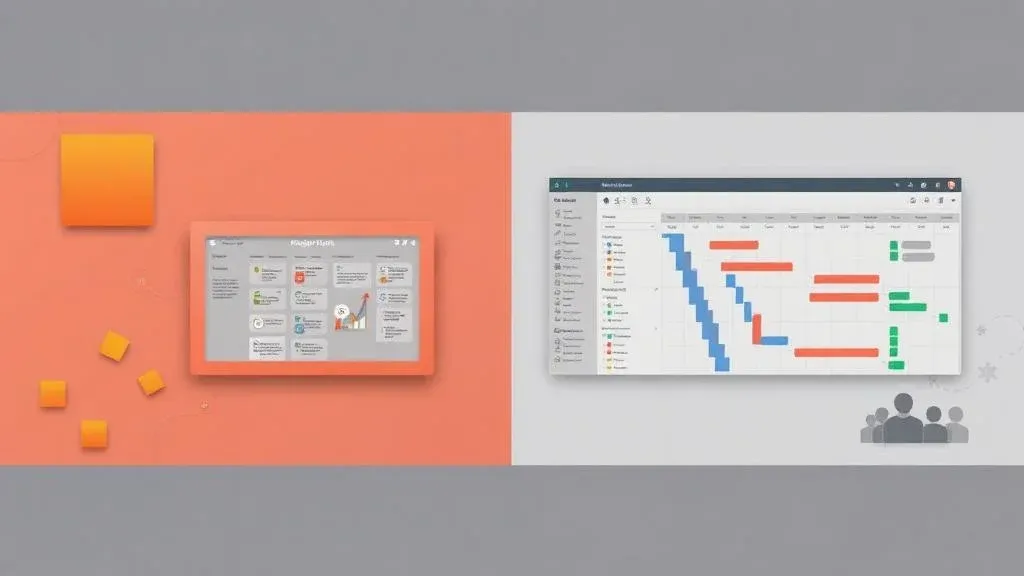 Deep Dive
The 10 Best Project Management Tools in 2026 Compared
monday.com, Asana, Jira, ClickUp, Notion & more – which PM tool truly fits your team in 2026? The big comparison with AI…
Read moremonday.com vs. Smartsheet – Which Tool Is the Better Fit?
monday.com or Smartsheet? We compare both platforms in 2026 – features, pricing, UX, and which tool actually makes sense…
Read more
monday.com Sidekick 3.0 Is Fully Released: Smarter AI Across the Entire Platform
monday.com rolls out Sidekick 3.0 to all customers – with massively expanded action coverage, cross-platform execution, …
Read more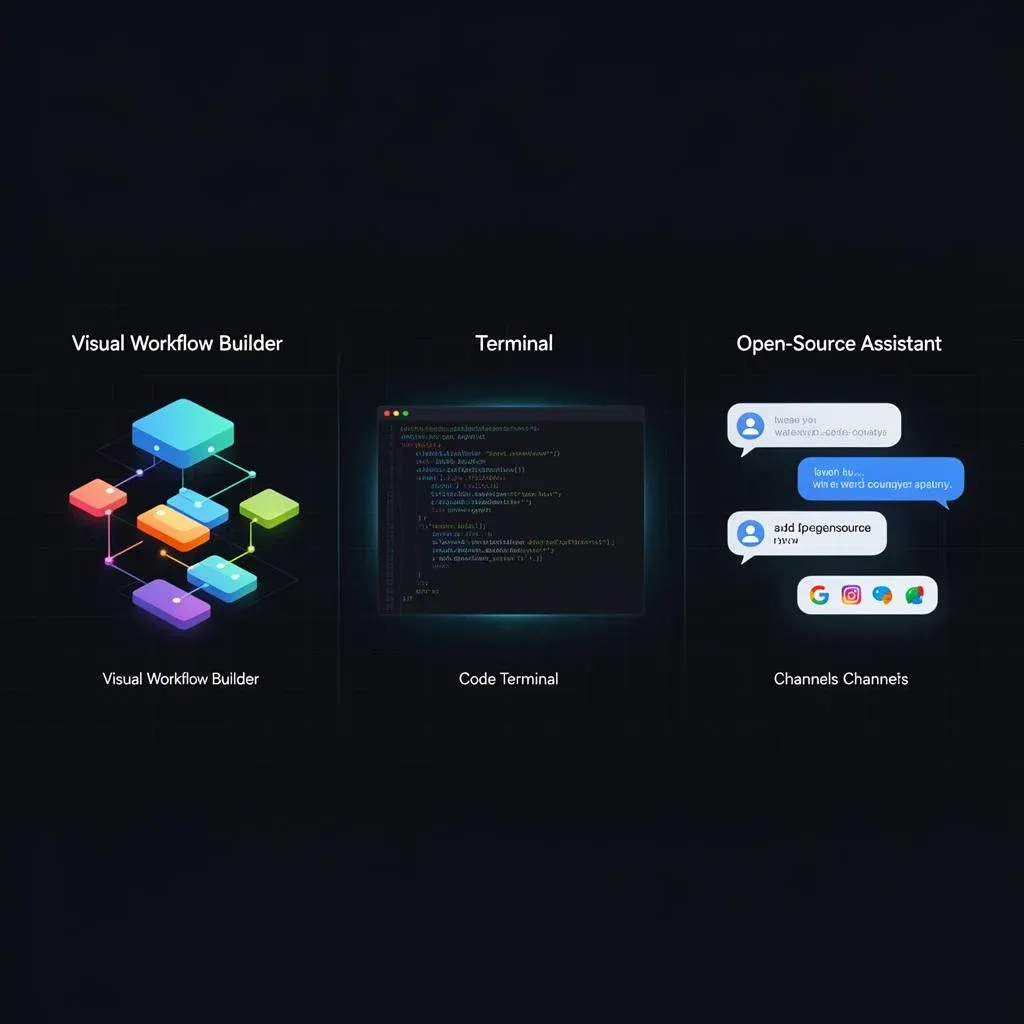
Make vs. Claude Code vs. OpenClaw – Picking the Right Orchestration Layer (2026)
Make.com, Claude Code, or OpenClaw? Three tools, three layers of the stack. Here's when to pick which orchestration tool…
Read more Deep Dive
Syncing Items Across monday.com Boards – The Ultimate Guide
One item, multiple boards – not natively possible in monday.com. Here's every way to do it: from Mirror columns to Marke…
Read more Deep Dive
Time Tracking in monday.com: The Ultimate Guide 2026
Every option for time tracking in monday.com – from the native column to Marketplace apps and monday Vibe. With pricing …
Read more