SearXNG: The Underrated Search Infrastructure for Agents

TL;DR: „SearXNG is a self-hosted metasearch engine that doubles as a JSON endpoint for agents. One container, many engines, no API keys, no quotas – but AGPL-3.0 and ops responsibility come with it."
— Till FreitagWhen Search Becomes Part of the System
In the first wave of agent stacks, web search defaulted to a commercial provider: Tavily, Serper, Exa, Brave Search API, Perplexity. A cent per query, an API key per agent, a rate limit per customer that you don't control.
That works until search stops being a function of your agent and becomes the most-called function. The cent per query turns into a line in your cost of goods, and the rate limit turns into a single point of failure.
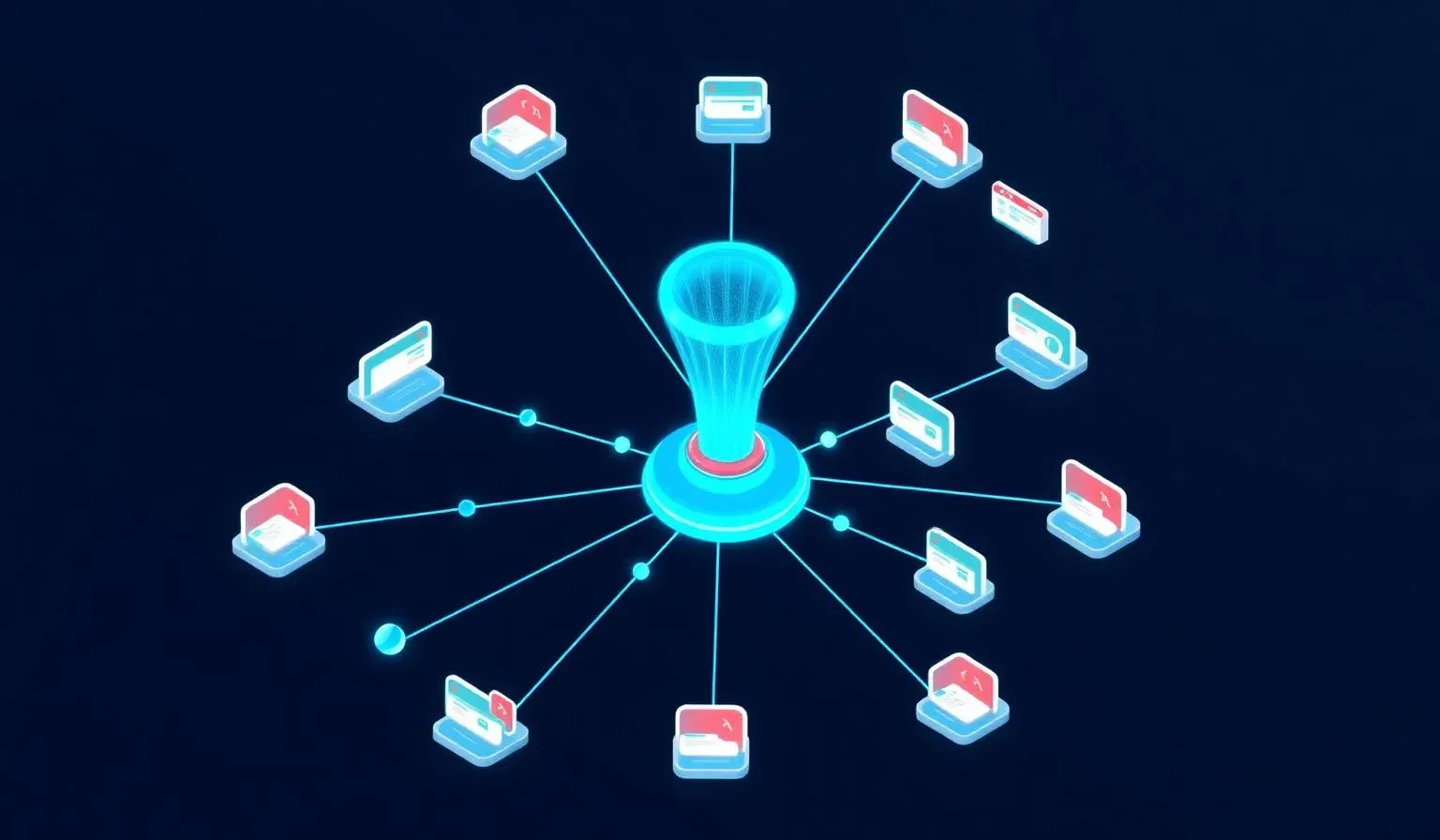
SearXNG is the answer that has been around for years and is being rediscovered in agent setups right now. 31.8k GitHub stars, AGPL-3.0, a self-hosted metasearch engine that bundles 200+ search engines under one JSON API. No tracking, no profiles, no vendor lock-in.
What You Actually Get
- One endpoint, many engines. Google, Bing, DuckDuckGo, Brave, Wikipedia, GitHub, Stack Overflow, arXiv, Reddit, YouTube, Mastodon – combinable per query, filterable per category.
- JSON output.
format=jsonon/searchis enough. An agent tool that parses it takes ten minutes to write. - Categories, not engines.
categories=sciencetriggers the right sources, so your agent doesn't have to learn an engine-selection heuristic. - No API keys, no quotas. You run the instance, you set the limits. That's a feature and a responsibility.
- Privacy by design. No logs by default, no profiles, no cookies. For agents asking questions on behalf of customers, that's substantive, not just ideological.
Setup is a Docker Compose file. Caddy or Traefik in front, Redis beside it, done.
Why It's Landing in Harnesses
An agent that searches ten times per conversation is normal in 2026. Three shifts make SearXNG interesting for that:
- Custom harnesses are going mainstream. Anyone running a DeerFlow- or Claude-Code-style agent owns the tool layer. A search tool you start with
docker compose upfits better than another SaaS contract. - Cost per query matters. A hundred agent sessions a day with ten searches per session at 0.5¢ per query gets you to about 150 EUR a month – just for search. SearXNG on a 20 EUR VM does the same job.
- Data residency. EU customers ask where the search queries end up. "On our Hetzner VM in Falkenstein" beats "with a US provider under a DPA".
The Honest Limits
SearXNG isn't a better Tavily for every use case.
- AGPL-3.0. Running it standalone is fine. Embedding SearXNG code into your product and shipping the product is a license question your legal team should read. For our clients: SearXNG runs as a service behind the API, not as a library in the codebase – which makes AGPL a non-issue in most setups.
- Upstream rate limits. Google blocks scraping aggressively. A SearXNG instance pushing 1,000 queries an hour through Google without a Tor or proxy pool will see CAPTCHAs after a few hours. Brave Search as an engine is much friendlier; many teams run SearXNG with an engine whitelist instead of all 200.
- No "answer", only links. SearXNG is metasearch, not an answer generator. If you want Tavily's
raw_contentconvenience, you'll need Crawl4AI or Firecrawl alongside it – standard in the stacks that adopt SearXNG anyway. - Ops is part of the deal. A service that goes down falls back on you. Health checks, Redis, updates, engine configuration – manageable, not zero.
How We'd Build It
For an internal agent setup with moderate volume:
| Layer | Component |
|---|---|
| Search endpoint | SearXNG in Docker, behind Caddy with basic auth |
| Cache | Redis, 24h TTL per query hash |
| Engine whitelist | Brave, DuckDuckGo, Wikipedia, GitHub, arXiv, Stack Overflow |
| Content fetch | Crawl4AI as a second container, fed by SearXNG links |
| Agent tool | web_search(query, category) → JSON, same signature as a Tavily wrapper |
That lets you swap every existing Tavily or Serper call in your agent without a prompt change. That's the pragmatic win: no re-engineering, just a tool swap.
When SearXNG Is Not the Right Call
- Volume under 10,000 queries a month – don't run a service, pay Tavily 5 EUR.
- You need a hard SLA on search but don't want an on-call setup – a commercial API is the more honest choice.
- Your agent runs on-device at the end customer – there's no central instance that can host it.
For everything in between – which is most of the custom agent work we're building right now – SearXNG belongs on the shortlist at minimum.
→ DeerFlow 2.0: ByteDance's super-agent harness → Agent runtime comparison: Claude, LangGraph, CrewAI → Agent sandboxing approaches compared
Related Articles

Nex-N2-Pro: How the Open-Model Frontier Shrunk 75 % in Six Weeks
Six weeks ago, DeepSeek-V4-Pro with 1.6 trillion parameters was the largest open-weight model ever released. Today, Nex-…
Read more
Self-Hosted & Privacy Layer 2026: Ontheia, Anything LLM & Privacy Router
If you take GDPR seriously, there's no way around self-hosting. Ontheia, Anything LLM, NanoClaw and the Privacy Router c…
Read more
Gemma 4 12B Coder: Local Code Generation Becomes the Default
Google ships the Gemma 4 12B Coder — the specialized coding variant of the Gemma 4 stack. 12B parameters in GGUF format,…
Read more
DeerFlow 2.0: ByteDance's 68k-Star Super-Agent Harness That Ships Finished Artifacts
ByteDance's open-source super-agent harness ships skills for research, reports, slides, web pages, image and video gen. …
Read more
Claude Managed Agents vs. LangGraph vs. CrewAI: Agent Runtimes for Production Compared
Three paths to production agents: Anthropic's hosted runtime, LangGraph's graph orchestration, or CrewAI's role-based te…
Read more
superglue.ai – The AI-Native Integration Platform That Finally Connects Enterprise Systems
superglue.ai replaces brittle SQL scripts and cron jobs with AI-powered enterprise integrations. Open source, Y Combinat…
Read more
Claude Managed Agents: Anthropic's Play to Own the Agent Runtime
Anthropic launches Managed Agents in public beta – a hosted runtime that decouples the 'brain' from the 'hands.' No more…
Read more
Gemma 4: Frontier Intelligence Goes Laptop-Sized – The Hype Is Real
Google's Gemma 4 delivers GPT-4 level intelligence in 14 GB. 85 tokens per second on consumer hardware, 256K context, na…
Read more
n8n Best Practices – 10 Rules for Production-Ready Workflows (2026)
Building n8n workflows is easy – running them in production is not. 10 proven best practices for error handling, structu…
Read more