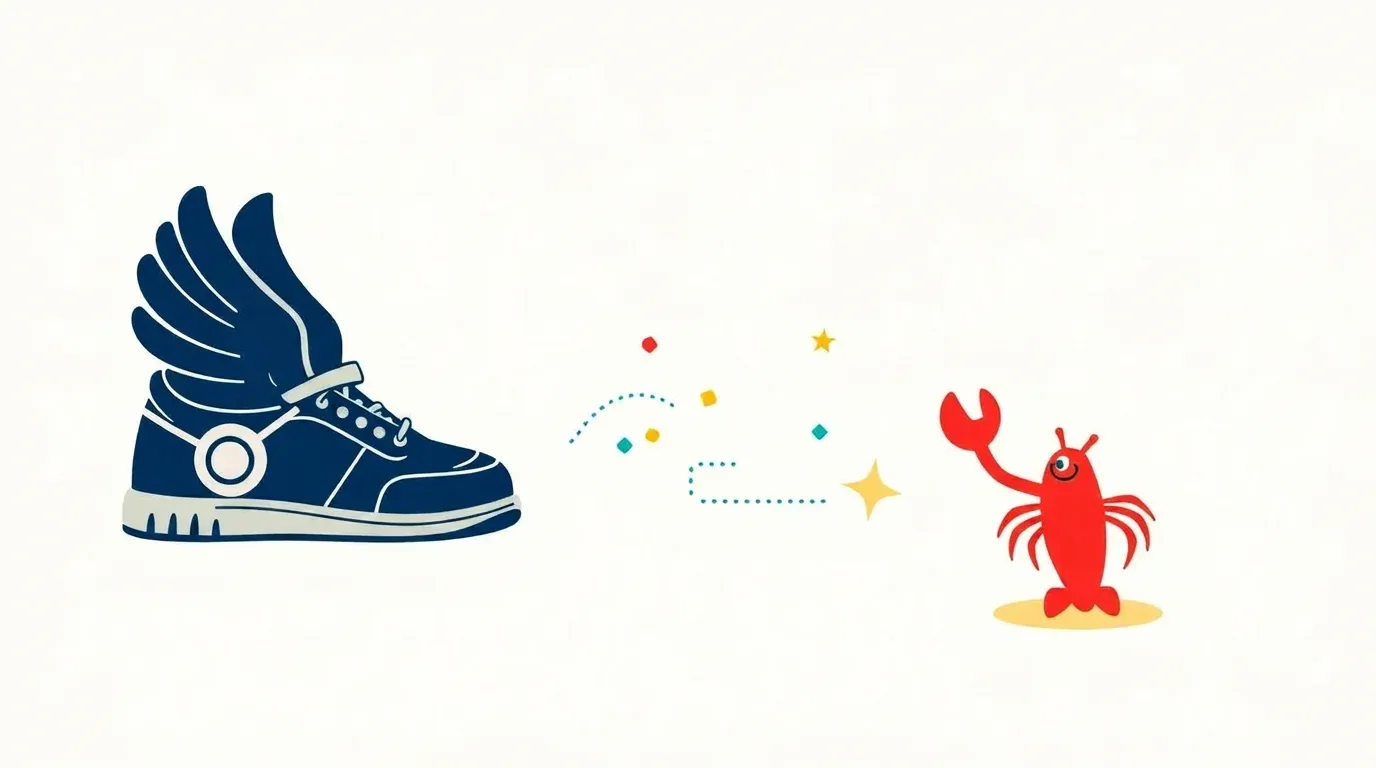
Hermes: TillClawn 🤡 Got a Brother – and It's Not a Parcel Service

TL;DR: „Hermes is our new lean framework next to TillClawn 🤡. TillClawn 🤡 stays the enterprise layer on OpenClaw – skills, gateways, compliance, multi-system. Hermes is the messenger layer: voice, messaging, channel bridging, inbound routing. Two building blocks, clear split – no merge, no universal tool."
— Till FreitagUpfront
As of today, next to TillClawn 🤡 there's a second building block in our stack: Hermes. And since the question is going to come up: no, it's not a parcel service. No neckties either. And it isn't a second product we're trying to sell you – Hermes is a framework, a standalone layer inside the OpenClaw ecosystem.
Hermes is the Greek messenger god – and that's pretty much what the layer does. It carries messages between humans, agents, and channels. It builds no skill of its own, orchestrates no enterprise workflows. It just makes sure the right message lands in the right place in the right shape.
Why a second layer?
Six months of TillClawn 🤡 in production taught us one thing we had underestimated:
Per-customer value doesn't come from the skills. It comes from an agent answering in a Slack call, from a voicemail landing as a structured task, from a customer asking on WhatsApp and the answer being in the CRM before sales even reads it.
So far, that was always part of TillClawn 🤡. And it was a mistake. Because:
- Projects that only needed the messenger function had to drag along the full enterprise stack.
- Projects that needed the enterprise stack got the voice pipeline shipped along, even though they never switched it on.
- Our roadmap pulled in two directions at once – deep into skills and wide into channels.
So we cut. TillClawn 🤡 stays what it is. Hermes becomes the standalone framework layer for everything that carries messages.
What Hermes is – and isn't
| TillClawn 🤡 | Hermes | |
|---|---|---|
| Core | Enterprise agent on OpenClaw | Channel and voice bridge |
| Answers | "How does an agent safely reach my CRM/ERP?" | "How does the agent get into the meeting, the call, the WhatsApp window?" |
| Audience | CIO, Head of Ops, Compliance | Sales, Support, Marketing |
| Character | Product layer, self-hosted, GDPR-compliant, auditable | Framework layer, self-hosted or embeddable as a bridge |
| Skills | 47 active, enterprise-system specialized | None. Hermes calls skills – it isn't one. |
| State | Persistent, long-lived, trace log | Session-based, message log |
| What's inside | OpenClaw + our enterprise extensions | Gemini Live bridge, Twilio, WhatsApp Business API, Meet/Teams bots |
| Release cadence | Monthly, documented | Weekly, along the voice models |
Important for anyone reflexively looking for the comparison:
- Hermes is not an OpenClaw killer. It sits on an OpenClaw or TillClawn 🤡 backend. Without an agent layer it has nothing to say.
- Hermes is not a voicebot builder. If you want to build a bot that takes bookings and nothing else – use Retell or Vapi. Hermes is overkill for that.
- Hermes is not a replacement for TillClawn 🤡. It's the framework you put in front of or next to it so humans and agents can meet in the first place.
The reason for the split (technical)
Until June the voice pipeline ran as an optional layer inside TillClawn 🤡. That created two problems:
- Latency budget was shared. A skill call against SAP is allowed 4 seconds. A voice turn is allowed 400 ms. Building both in the same process model doesn't hold up cleanly.
- Release cadences were incompatible. Voice models (Gemini Live, ElevenLabs, OpenAI Realtime) spin weekly. Enterprise skills need monthly, documented releases. Two cadences, one repo – doesn't hold.
The split was overdue. We should have done it three months ago.
Where Hermes goes first
Three scenarios we start with:
- Inbound voice → task. Customer calls, Hermes picks up, clarifies intent, opens a monday item with a structured summary. Agent response optional.
- Meeting attendance. Hermes joins Google Meet or Teams as a named participant, transcribes, asks back when needed, files follow-ups in the CRM.
- Omnichannel routing. WhatsApp, email, Slack, SMS in one session. Hermes normalizes the message, hands it to the agent layer (TillClawn 🤡 or directly to a model), and formats the response back into the channel.
What Hermes explicitly does not do: make its own decisions. It's messenger, not advisor.
What this means for TillClawn 🤡 projects
Short: nothing you don't want.
- If you run TillClawn 🤡 today with the voice pipeline, you'll migrate to the Hermes layer in July – same functionality, cleanly separated building block.
- New TillClawn 🤡 setups no longer get Hermes bundled by default. If you want voice, you pull the layer in explicitly.
- Internal complexity in TillClawn 🤡 drops accordingly – less overhead in the enterprise layer, more focus on skills and compliance.
If you only ever wanted the voice pipeline but had to drag the full enterprise layer along to get it: from now on, Hermes ships solo.
Why the name
Because "TillClawn 🤡 Voice" was boring. And because we have a rule: if a building block has its own roadmap, its own cadence, and its own audience, it gets its own name.
Hermes is the fastest of the Olympians, crosses borders between worlds, and delivers messages. No other name described what the thing does as precisely.
And yes, "isn't that the courier?" will be the most frequent question of the next three months. We can live with that.
Verdict
Two building blocks, cleanly split:
- TillClawn 🤡 – the enterprise layer on OpenClaw. Skills, gateways, compliance, audit. For ops, compliance, CIO.
- Hermes – the messenger layer. Voice, meeting attendance, omnichannel routing. For sales, support, marketing.
No merge, no universal tool. The lesson from six months of OpenClaw in production was clear: specialization beats suite. We're building accordingly.
Curious about Hermes? Talk to us – first pilots run in July.
More context: TillClawn 🤡 in Production · OpenClaw Audit 2026
Related Articles
\"Claude Code Killed OpenClaw\" – Why This Comparison Is Complete Nonsense
On LinkedIn you increasingly read: \"Claude Code killed OpenClaw.\" That's like comparing apples with interstellar space…
Read more
Globster: monday.com Enters the Personal AI Agent Game – on NVIDIA's NemoClaw
monday agent labs just launched Globster: personal AI agents built on OpenClaw, secured by NVIDIA's NemoClaw runtime. Wh…
Read more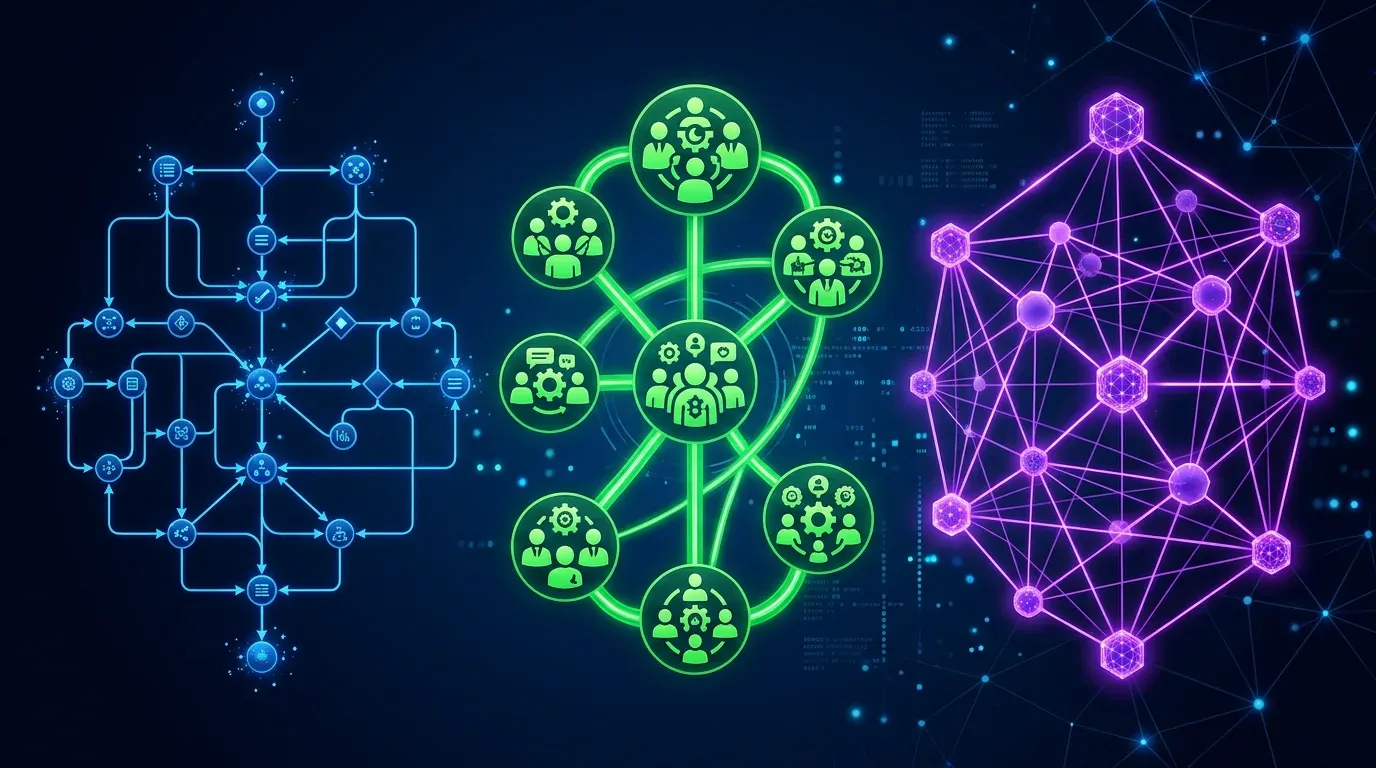
LangGraph vs. CrewAI vs. AutoGen: Which Multi-Agent Framework in 2026?
Three frameworks, three philosophies: LangGraph gives you state machines, CrewAI gives you teams, AutoGen gives you conv…
Read more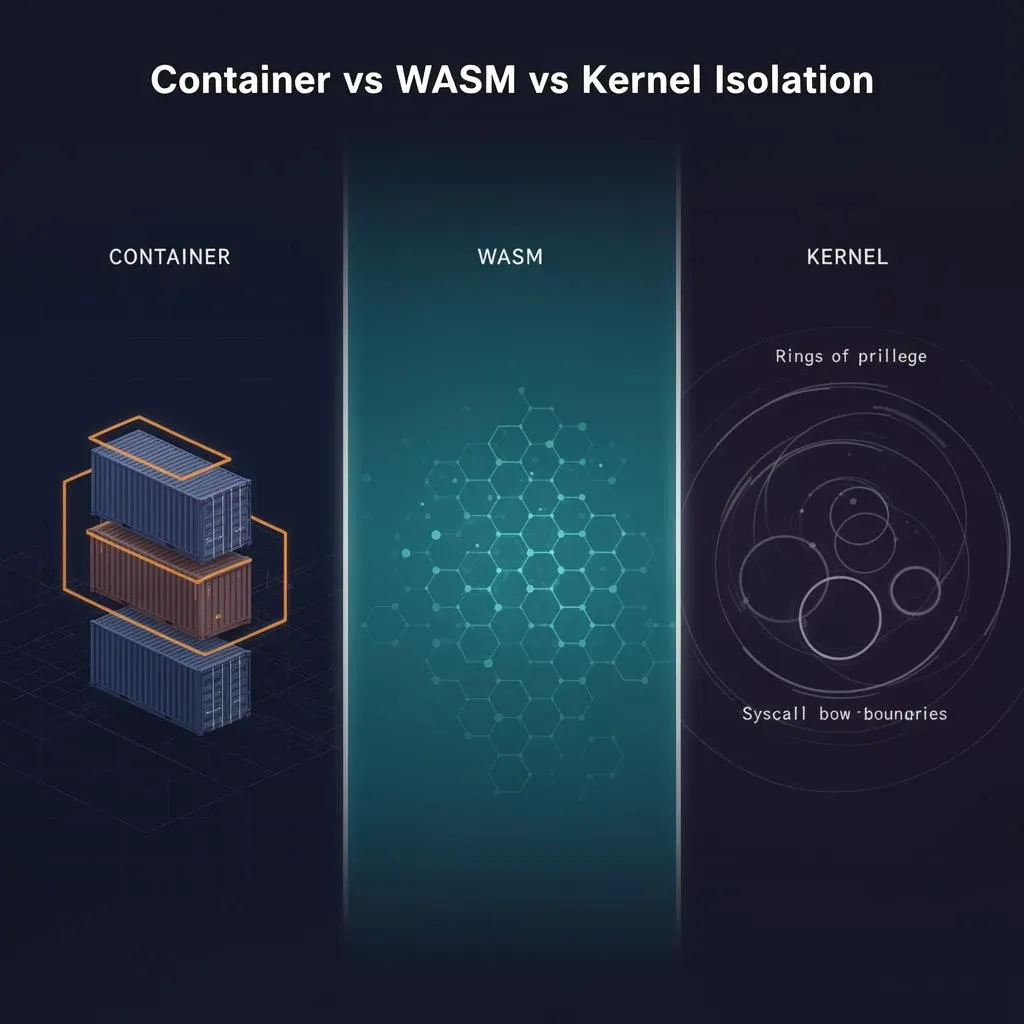
Agent Sandboxing: Containers vs. WASM vs. Kernel – Three Ways to Contain AI Agents
AI agents need isolation. But which kind? Containers, WASM, or kernel-level – three approaches compared with concrete tr…
Read more
NemoClaw: NVIDIA's Privacy Router and What It Means for Agent Architecture
NVIDIA enters the Claw ecosystem with NemoClaw – and brings a concept that could reshape agent architecture: Privacy Rou…
Read more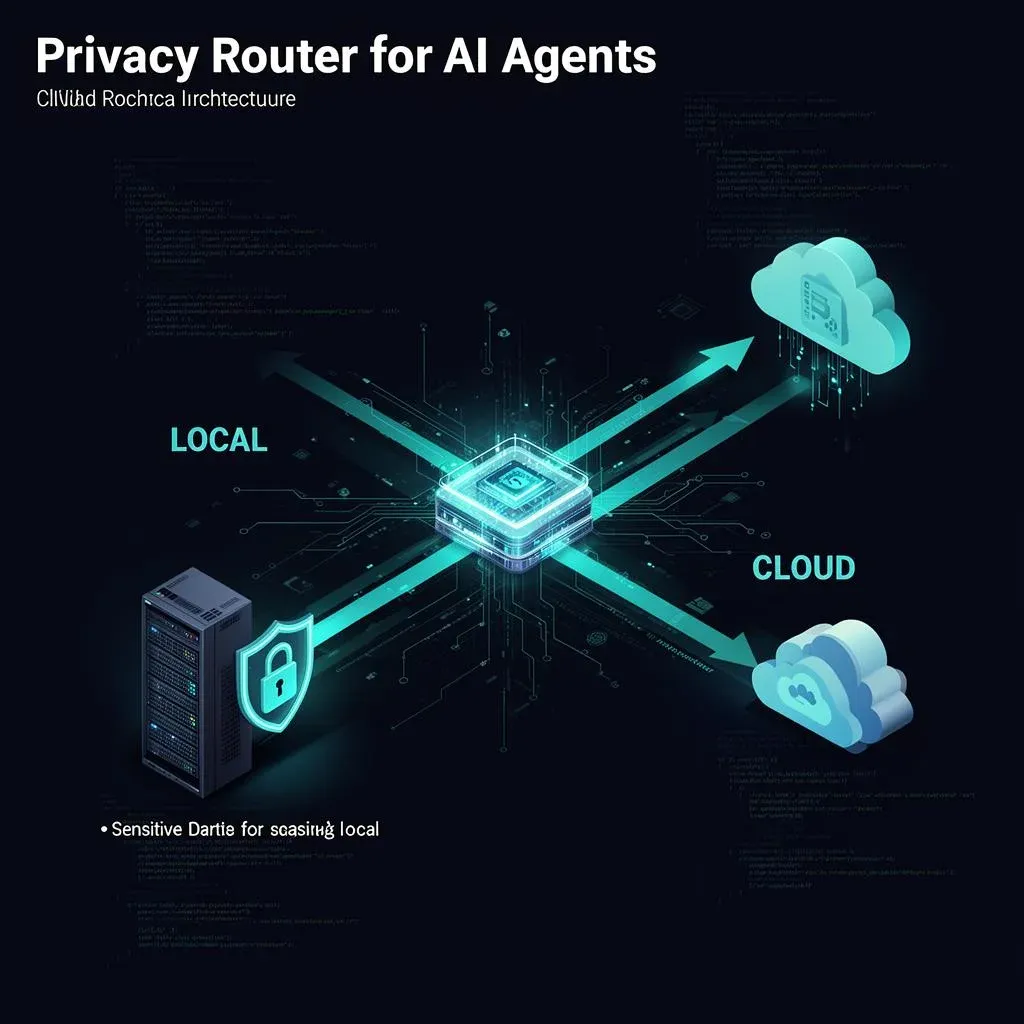
Building a Privacy Router with OpenClaw: A Practical Guide with Code
Privacy Routing is the concept – but how do you build it? A practical guide with OpenClaw, a policy engine, and concrete…
Read more
Claude Code Is No Longer a Dev Tool – It's a GTM Layer
With Opus 4.6, Claude Code has fundamentally changed: from a developer tool to an autonomous Go-To-Market layer. What we…
Read more
AutoClaw: Z.ai's Agent That Doesn't Chat – It Works
AutoClaw is Z.ai's agent layer – not a chatbot, but an AI partner that actually executes tasks. What it does, how it tea…
Read more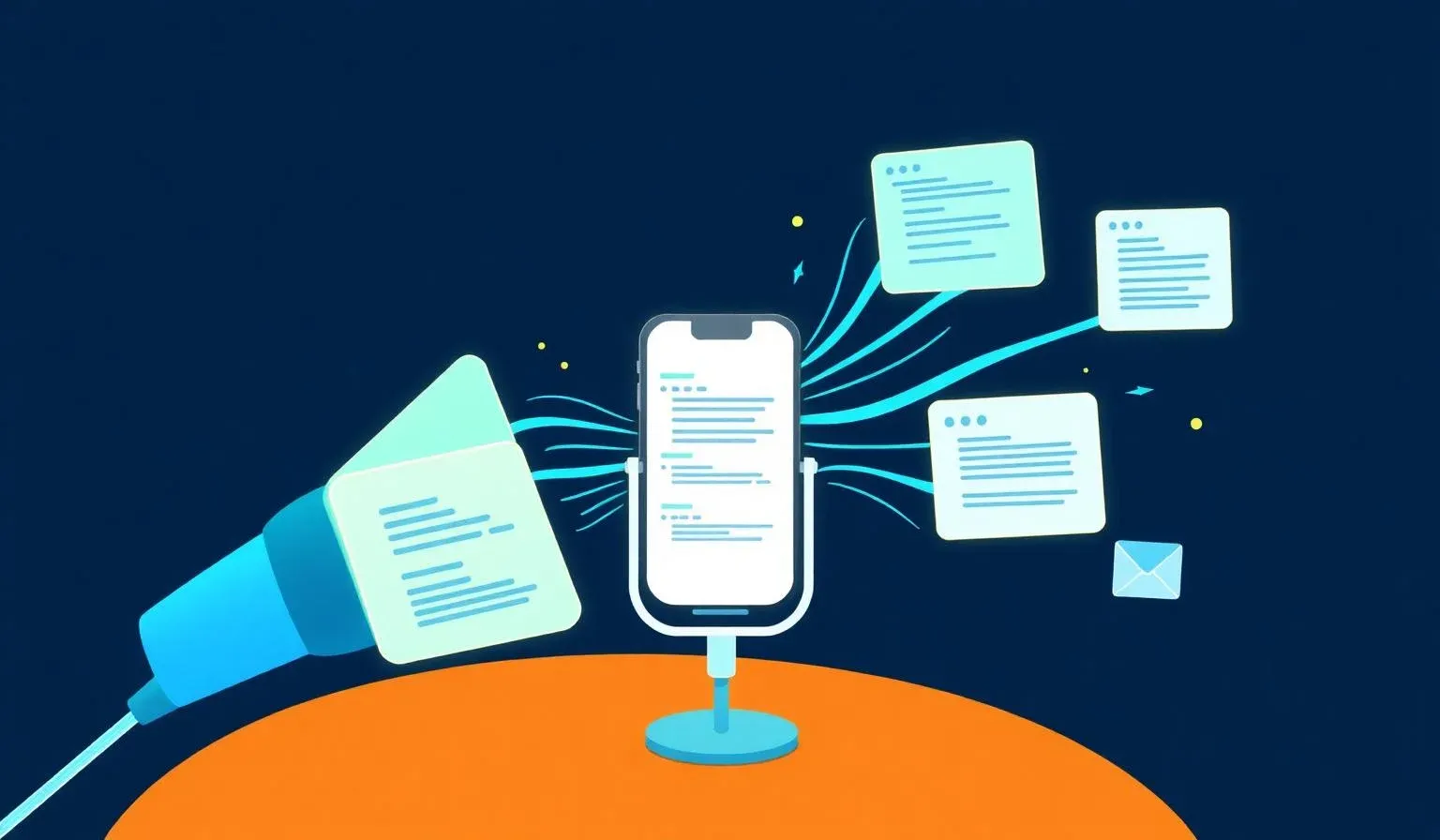
WhisperFlow: Voice as a System-Wide Input Channel
WhisperFlow turns voice into a system-wide input channel – in Lovable, Cursor, ChatGPT, Slack, and every text field. Set…
Read more